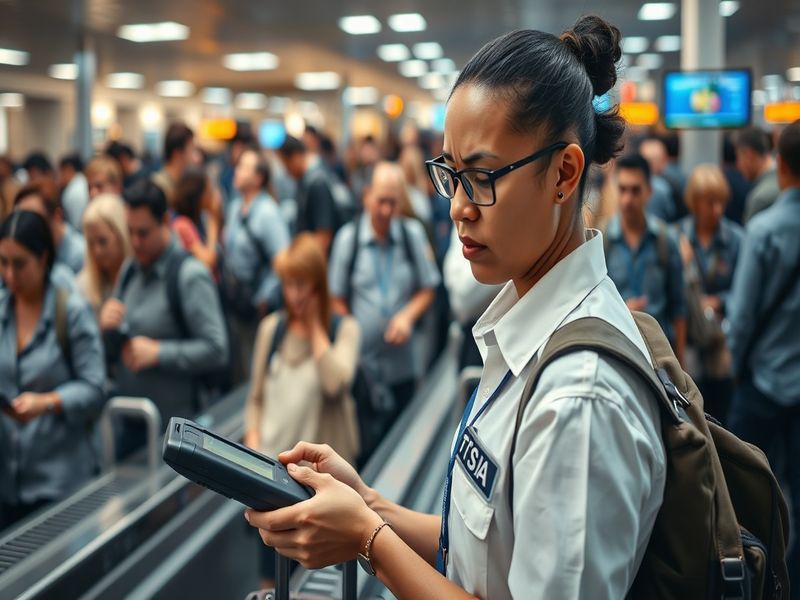
Examining TSA Employee Compensation and Its Implications
The Current State of TSA Compensation
The Transportation Security Administration (TSA) has long been a pivotal part of the U.S. travel experience. Established in the aftermath of the September 11 attacks, the TSA’s role is to ensure the safety of air travel within the United States. Recently, questions have emerged regarding the compensation structures for TSA employees. Are they receiving fair pay for their essential services? This article examines the current state of TSA compensation and its implications.
Understanding TSA Pay Structures
TSA employees, including security officers, supervisors, and support staff, receive pay based on a variety of factors. These include their job title, location, and years of service. The pay scale for TSA employees can differ significantly across the nation. For instance, security officers in high-traffic areas like New York City may earn more than those in smaller airports.
In recent years, there have been efforts to increase pay for TSA employees. The Biden administration proposed budget increases aimed at enhancing wages and benefits for these crucial workers. Despite these proposals, many TSA employees still report that their salaries do not reflect the high-stress environment and responsibilities they manage.
Global Perspectives on Airport Security Compensation
The compensation of airport security personnel is not just an American concern; it is a global issue. Countries like Canada, the United Kingdom, and Australia have established similar agencies responsible for airport security. However, the pay and working conditions can vary significantly.
- Canada: The Canadian Air Transport Security Authority (CATSA) offers competitive wages, often with additional benefits for employees working in remote areas.
- United Kingdom: The UK has a mix of public and private sector security staff, with varying pay scales influenced by the privatization of airport security.
- Australia: Australian airport security personnel generally receive higher pay compared to their U.S. counterparts, reflecting a different approach to worker compensation.
These differences highlight not only the varying economic conditions across countries but also the cultural attitudes towards labor and compensation. In many regions, airport security is seen as a critical public service deserving of fair remuneration.
The Impact of Pay on TSA Operations
Fair compensation for TSA employees is crucial for maintaining effective airport security. Low pay can lead to high turnover rates, which can compromise security and efficiency. Workers who feel undervalued may not perform at their best, potentially leading to lapses in security protocols.
Moreover, the TSA has faced challenges in recruitment and retention. In recent years, the agency has struggled to hire enough personnel to meet the demands of rising travel numbers. Increased pay could help attract more qualified candidates and reduce the workload on existing employees.
Conclusion
The question of whether TSA employees are getting paid fairly is complex. While there have been movements toward better compensation, challenges remain. As air travel continues to grow, the importance of ensuring that TSA employees are adequately compensated cannot be overstated. A motivated, well-paid workforce is essential for maintaining the safety and security of air travel.
As this issue evolves, it is crucial for policymakers, travelers, and the aviation industry to engage in discussions about the value of airport security personnel. Their role is vital, and ensuring they receive fair compensation is a step towards a more efficient and secure travel experience for everyone.
Explore more about travel-related topics | Stay updated with the latest news