M&S Closing on Easter Sunday: A Cultural Perspective
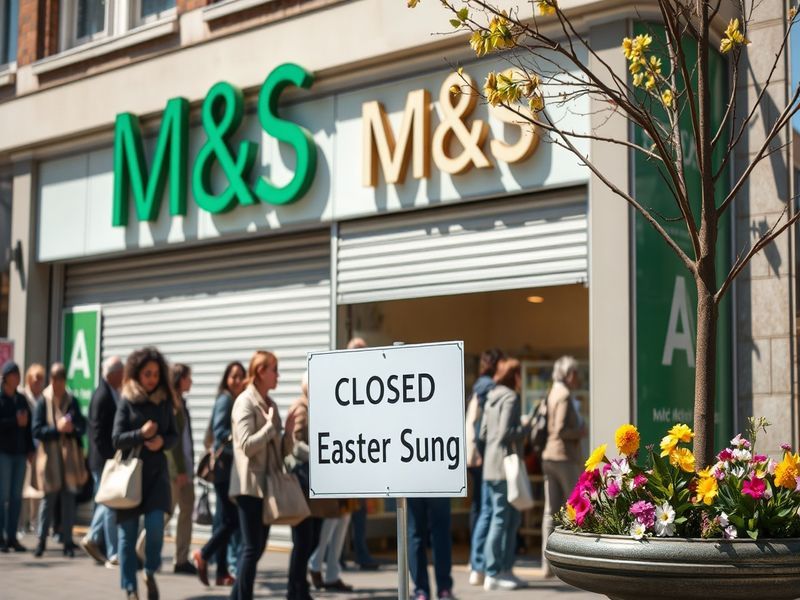
M&S Announces Closure on Easter Sunday
Marks & Spencer (M&S), a prominent UK retailer, has made the decision to close its stores on Easter Sunday. This move has sparked discussions among consumers and industry experts alike. The closure aligns with a growing trend among retailers to reassess their operating hours during significant holidays.
Understanding the Decision
The closure of M&S on Easter Sunday is a significant shift for the retailer, known for its commitment to customer service. Several factors contributed to this decision:
- Cultural Respect: Easter is a time of reflection and family gatherings in many cultures. By closing its stores, M&S acknowledges the importance of this holiday for its customers.
- Employee Well-Being: Allowing employees a day off on a major holiday promotes work-life balance. This move can enhance job satisfaction and employee loyalty.
- Competitive Strategy: As more retailers close on holidays, M&S aims to remain competitive while aligning its brand with family values.
In the UK, many businesses traditionally close on Easter Sunday, reflecting the cultural significance of the holiday. This decision by M&S may set a precedent for other retailers in the region.
Global Context of Retail Closures
M&S’s closure on Easter Sunday resonates within a broader global context where many countries have their own customs regarding retail operations during holidays. For instance, in the United States, some states have laws mandating closures on certain holidays, while others allow businesses to operate freely. This inconsistency can lead to consumer confusion and dissatisfaction.
Countries like Germany have strict regulations regarding shop closures on Sundays, emphasizing the importance of rest and family time. In contrast, nations such as Japan have a more flexible approach, with many stores remaining open during holidays to cater to consumer demand.
Consumer Reactions and Implications
Consumer reactions to M&S’s Easter closure have been mixed. Some applaud the decision as a move towards better work-life balance and respect for cultural values. Others express concern about the potential inconvenience of not having access to stores during a busy holiday shopping period.
Key implications of this decision include:
- Potential Sales Impact: While some may choose to shop elsewhere, M&S could strengthen its brand loyalty among consumers who value family time.
- Setting a Trend: If other retailers follow suit, this could lead to a significant shift in holiday shopping behavior across the UK.
- Employee Morale: Enhanced employee satisfaction may lead to better customer service, positively affecting the overall shopping experience.
As M&S navigates the implications of this decision, it remains crucial to monitor consumer responses and sales figures in the coming months. The retailer’s ability to adapt and respond to market demands will be key to its future success.
Conclusion
The decision by M&S to close on Easter Sunday reflects a thoughtful approach to balancing consumer needs, employee welfare, and cultural values. In a competitive retail landscape, such a move could redefine how businesses operate during significant holidays. As the retail environment continues to evolve, M&S’s actions may inspire other retailers to reconsider their holiday policies, potentially reshaping the shopping experience for consumers.
For those interested in exploring more about retail trends and consumer behavior, check out our Business section. Additionally, stay updated with the latest news in the News category on Dave’s Locker.