Semana Santa 2026: A Celebration of Faith and Tradition
Semana Santa, or Holy Week, is a significant religious observance for many around the globe, particularly in predominantly Catholic countries. In 2026, this week of solemnity and reverence will take place from April 5 to April 12. This period is marked by various rituals, processions, and events that highlight the passion, death, and resurrection of Jesus Christ. Understanding the cultural nuances and local traditions associated with Semana Santa can enhance the experience for both participants and observers.
Historical Context of Semana Santa
The origins of Semana Santa can be traced back to the early Christian traditions that sought to commemorate the events leading up to Easter. Over the centuries, these rituals evolved, influenced by local customs and societal changes. In countries like Spain, the observance has deep roots in medieval practices, where dramatic plays and processions were used to convey religious narratives to the illiterate masses.
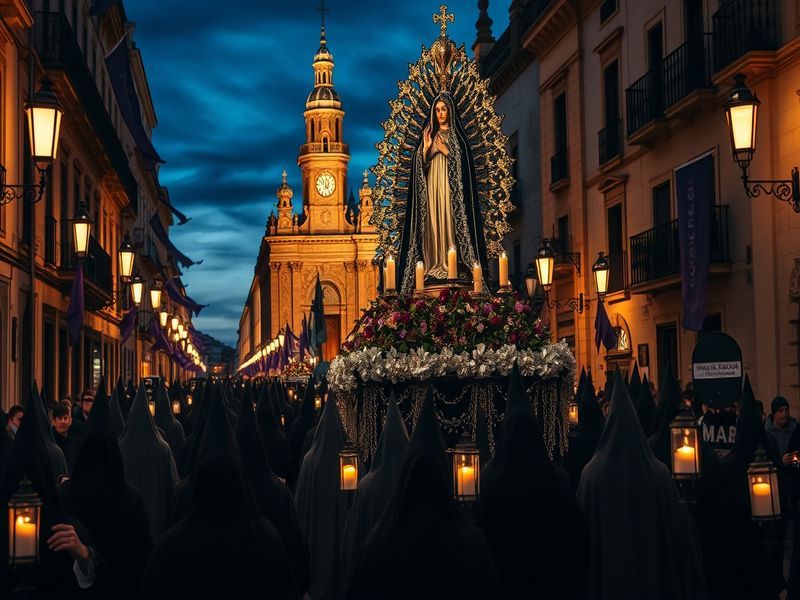
Today, Semana Santa is celebrated with fervor in various regions, each adding its unique flavor. From the elaborate floats in Seville to the solemn processions in Guatemala, the week serves as a time for reflection and community bonding. The visual splendor and emotional depth of these events draw thousands of visitors every year, making it a vital part of local heritage.
Key Events and Traditions
Semana Santa is characterized by a series of events that unfold throughout the week. Here are some of the most notable traditions:
- Palm Sunday: This day marks the beginning of Semana Santa. It commemorates Jesus’ triumphant entry into Jerusalem. Many congregations hold processions featuring palm branches.
- Holy Thursday: Known for the Last Supper, this day often includes the washing of feet ceremonies, symbolizing humility and service.
- Good Friday: A day of mourning, marked by processions that depict the crucifixion of Christ. Many cities hold somber parades featuring statues and religious icons.
- Easter Sunday: The culmination of Holy Week, celebrating the resurrection of Jesus. Festivities often include joyful services and communal feasts.
Each of these events offers a unique insight into the spiritual significance of the week and the community’s dedication to their faith. The rich tapestry of rituals also serves to engage younger generations, ensuring that traditions are passed down and remain vital.
Semana Santa Around the World
While Semana Santa holds a special place in many cultures, its manifestations can vary significantly from one country to another. In Spain, for instance, the Semana Santa in Seville is renowned for its grandeur, featuring intricate floats and elaborate costumes. The atmosphere is electric, with thousands lining the streets to witness the processions.
In contrast, Guatemala’s Semana Santa is marked by its unique use of alfombras, or carpets, made from colored sawdust and flowers that adorn the streets. These carpets are often beautifully crafted and serve as a stunning backdrop for the solemn processions that follow.
Other countries, such as Mexico and the Philippines, also have their unique customs and celebrations. These diverse practices highlight the universal themes of sacrifice, redemption, and community that Semana Santa embodies.
Planning for Semana Santa 2026
As Semana Santa 2026 approaches, many individuals and families are starting to plan their observances. Here are some tips to consider for those looking to participate:
- Research local traditions: Understanding the specific customs of your area can enhance your experience and connection to the events.
- Participate in community events: Engaging with local churches and organizations can provide opportunities for involvement in processions and activities.
- Travel considerations: If you plan to visit a different country, book accommodations and transportation well in advance, as this week attracts a large number of tourists.
- Dress appropriately: Many processions have dress codes or traditions regarding attire. Respecting these customs is vital for a meaningful experience.
Whether you are a lifelong participant or a curious observer, Semana Santa offers a profound opportunity to engage with the spiritual and cultural heritage of communities worldwide.
Conclusion
Semana Santa 2026 promises to be a time of reflection, celebration, and community. With its deep historical roots and diverse expressions across various cultures, this Holy Week serves as a reminder of the enduring significance of faith and tradition. As the dates approach, many will prepare to participate in the rituals that have transcended generations, ensuring that the spirit of Semana Santa continues to thrive.
For more insights into cultural celebrations, visit our Culture section or explore our Travel category for tips on experiencing these events firsthand.