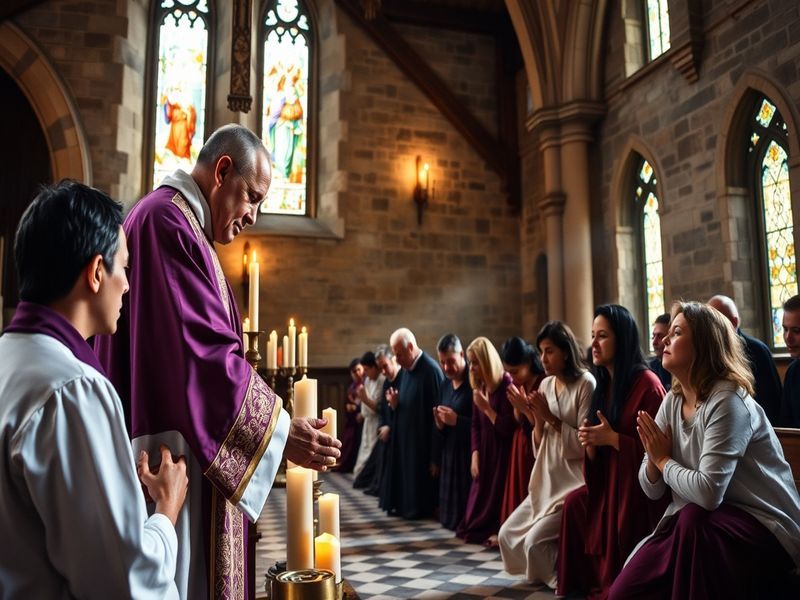
Jueves Santo, or Holy Thursday, marks the beginning of the Christian observance of Easter. While its religious roots run deep, the day is celebrated in diverse ways across cultures, blending spiritual solemnity with local customs. From the Vatican to Latin American plazas, communities gather to commemorate the Last Supper, the washing of the disciples’ feet, and the betrayal of Jesus. This day is more than a religious milestone—it is a cultural bridge that connects history, faith, and identity.
The Historical and Religious Foundations of Jueves Santo
At its core, Jueves Santo commemorates events described in the New Testament. According to Christian tradition, Jesus shared the Passover meal with his disciples on this evening, instituting the Eucharist and washing their feet as a symbol of humility. The day also marks the betrayal of Jesus by Judas Iscariot, setting in motion the events leading to the Crucifixion. These acts form the foundation of Holy Week observances in many Christian denominations, particularly within Catholicism, Protestantism, and Orthodox Christianity.
The liturgical significance of Jueves Santo extends beyond the Last Supper. In the Catholic Church, the day is marked by the Chrism Mass, where bishops consecrate holy oils used in sacraments throughout the year. This ritual underscores the communal and sacramental nature of the faith, linking clergy and laity in shared devotion. Meanwhile, in Protestant traditions, the focus often remains on the Last Supper and its theological implications, with some communities reenacting the foot-washing ceremony as a call to service.
Cultural Variations: How Jueves Santo Is Celebrated Worldwide
While the religious narrative remains consistent, Jueves Santo takes on unique flavors in different regions. In Spain, processions wind through cobblestone streets, featuring hooded penitents carrying heavy crosses. The city of Seville is renowned for its elaborate pasos, or floats, depicting scenes from the Passion. Similarly, in the Philippines, devotees engage in acts of penance, including self-flagellation and reenactments of the Crucifixion, blending indigenous practices with Catholic tradition.
In Latin America, Jueves Santo is often a public holiday, allowing communities to gather for meals that recall the Last Supper. In Mexico, families prepare dishes like capirotada, a bread pudding symbolizing the body of Christ. Across the Atlantic, in Italy, churches hold solemn masses, and in Rome, the Pope leads the Chrism Mass at St. Peter’s Basilica. Even in secular contexts, such as the United States, Jueves Santo is observed in churches and cultural centers, reflecting the diversity of the country’s religious landscape.
Key Traditions Associated with Jueves Santo
The observance of Jueves Santo is rich with symbolic acts. Below are some of the most widely recognized traditions:
- Foot Washing Ceremony: Reenacting Jesus’ act of humility, clergy or community leaders wash the feet of parishioners, often dressed in simple robes and sandals.
- Chrism Mass: A central event in Catholic churches, where bishops consecrate oils for baptism, anointing, and ordination.
- Visiting Seven Churches: In many Latin American countries, believers visit seven churches to pray, reflecting the seven places Jesus visited after the Last Supper.
- Silent Bells: In some European traditions, church bells are silenced from Jueves Santo until Easter Sunday, symbolizing mourning.
- Community Meals: Sharing a meal reminiscent of the Last Supper, often featuring unleavened bread and wine, fosters a sense of unity and reflection.
The Intersection of Faith and Culture
Jueves Santo exemplifies how religion permeates cultural identity. In countries like Guatemala, indigenous Mayan traditions merge with Catholic rituals, creating a syncretic blend. The use of incense, traditional dances, and native languages in ceremonies highlights the adaptive nature of faith. Similarly, in Poland, Jueves Santo is a time for families to gather, with children often participating in processions dressed as angels or biblical figures.
For many, Jueves Santo is not just a religious observance but a moment of personal and collective renewal. The themes of sacrifice, service, and redemption resonate beyond the confines of the church, influencing art, literature, and social justice movements. In 2020, as the world grappled with the COVID-19 pandemic, Jueves Santo took on new dimensions, with virtual masses and drive-in services becoming the norm. This adaptation underscored the resilience of faith communities in the face of adversity.
A Day of Reflection and Unity
Jueves Santo invites people of all backgrounds to pause and reflect on themes of sacrifice and service. Whether through prayer, cultural expression, or communal meals, the day fosters connections—both spiritual and human. In an era marked by division, the observance of Jueves Santo offers a reminder of shared values and the enduring power of tradition.
As the sun sets on Holy Thursday, communities around the world prepare for the somber observances of Good Friday. Yet, the lessons of Jueves Santo—humility, unity, and sacrifice—continue to echo, transcending borders and denominations. It is a day that challenges individuals to look inward, to serve others, and to embrace the transformative power of faith.