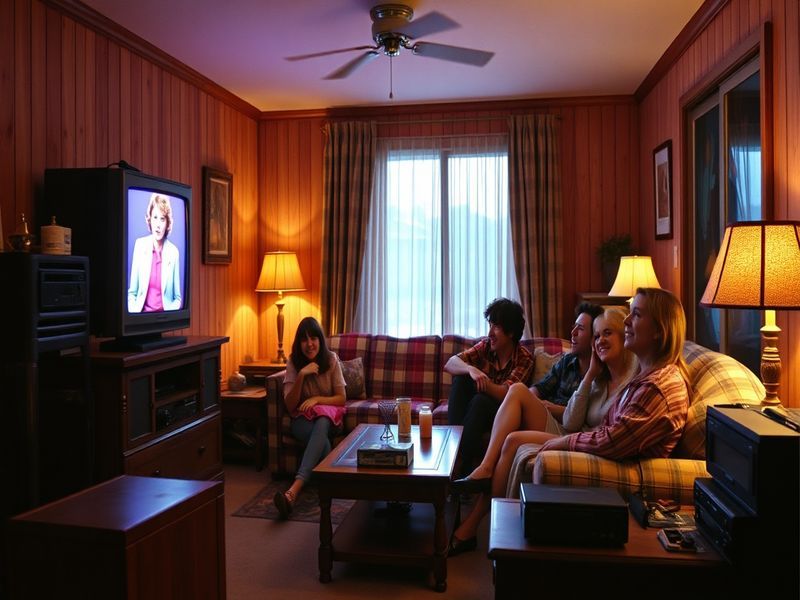
The Evolution and Future of Television Shows
The Evolution of TV Shows
Television shows have undergone significant changes since their inception. From black-and-white sitcoms to high-budget streaming dramas, the evolution reflects broader societal shifts and advancements in technology. The sheer variety of genres available today offers something for everyone, catering to diverse audiences and preferences.
In the early days, television primarily focused on family-friendly content. Shows like “I Love Lucy” and “The Ed Sullivan Show” set the tone for what viewers could expect. As television became more accessible, the programming began to diversify, introducing soap operas, game shows, and eventually, more complex narratives.
Streaming Services and Their Impact
The rise of streaming platforms has transformed how audiences consume television. Services such as Netflix, Hulu, and Amazon Prime Video have disrupted traditional viewing habits. No longer are viewers bound to a specific time slot; binge-watching has become the norm.
This shift has led to a surge in original content. Streaming services invest heavily in developing unique shows that often push creative boundaries. Series like “Stranger Things” and “The Crown” have not only garnered critical acclaim but have also attracted massive viewership.
Moreover, streaming platforms have democratized content creation. Independent filmmakers and writers now have a viable avenue to showcase their work, leading to a rich tapestry of stories that might have been overlooked by conventional networks.
Genres and Their Popularity
Television genres continue to evolve, with new trends emerging regularly. The following list highlights some of the most popular genres dominating screens today:
- Drama: Character-driven narratives that explore complex themes.
- Comedy: From sitcoms to dark comedy, humor remains a staple.
- Reality TV: Shows that depict real-life situations, often with a competitive edge.
- Documentary: Informative series that delve into various subjects, from nature to politics.
- Fantasy/Sci-Fi: Imaginative worlds that explore what could be, often featuring advanced technology or supernatural elements.
These genres cater to varying tastes and preferences, ensuring that there is always something new to explore. Additionally, the blending of genres has led to innovative storytelling, allowing creators to engage audiences in unique ways.
The Future of Television
Looking ahead, the future of television is likely to be shaped by several factors. Technological advancements will continue to play a pivotal role. Enhanced viewing experiences, such as virtual reality and augmented reality, may become more mainstream, offering immersive storytelling opportunities.
Furthermore, the integration of artificial intelligence in content creation and viewer analytics could lead to more personalized viewing experiences. This could help networks and streaming services tailor recommendations based on individual preferences, thereby enhancing viewer engagement.
As the industry evolves, issues such as representation and diversity will remain paramount. Audiences are increasingly demanding stories that reflect a variety of experiences and backgrounds. This push for inclusivity will likely shape the narratives we see on screen in the coming years.
Conclusion
Television shows have come a long way, evolving alongside society and technology. From early family sitcoms to the diverse array of genres available today, the medium continues to adapt. Streaming services have revolutionized how we consume content, creating opportunities for innovative storytelling and broader representation.
As we look to the future, it will be fascinating to see how technological advancements and audience demands shape the next chapter in television history. Whether through traditional networks or streaming platforms, one thing is clear: the world of TV shows will keep evolving, offering new stories and experiences for viewers.
For more insights into the world of entertainment, check out our Entertainment section. To stay updated on recent developments, visit our News page.