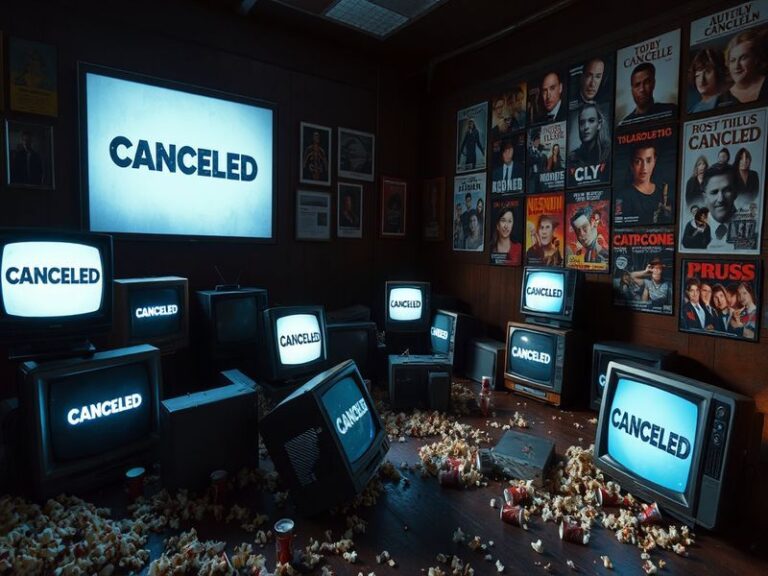
The Evolution and Future of Television Shows: A Global Perspective
The Evolution of Television Shows
Television shows have come a long way since their inception in the early 20th century. From black-and-white dramas to high-definition series, the medium has continually adapted to meet the demands of audiences. Today, streaming platforms are revolutionizing how we consume content, offering viewers an unprecedented array of choices.
Television has transformed not only in terms of technology but also in its role within society. It serves as a mirror reflecting cultural values, social issues, and even political sentiments. In many countries, TV shows can influence public opinion and shape conversations around important topics.
Genres That Define Television
Television shows span a wide range of genres, each appealing to different audience segments. Here are some of the most popular genres:
- Drama: Often focused on character development and emotional narratives.
- Comedy: Aims to entertain and provoke laughter, often addressing everyday situations.
- Reality TV: Blurs the lines between fiction and reality, showcasing real-life situations.
- Science Fiction: Explores futuristic concepts and often incorporates advanced technology.
- Documentary: Aims to inform and educate viewers about real-world topics.
Each genre not only entertains but also allows for commentary on society. For instance, dramas often tackle issues like mental health, family dynamics, and social justice, while comedies may highlight cultural quirks and everyday absurdities.
Global Perspectives on Television
The impact of television shows varies significantly across different cultures. In some regions, local productions dominate, while in others, international shows gain massive popularity. For example, South Korean dramas have captivated audiences worldwide, influencing fashion and trends. Similarly, British shows like “Doctor Who” and “The Crown” have established a loyal global following.
Streaming platforms have further blurred geographical boundaries, allowing viewers to access content from various countries. This has led to an increased interest in international storytelling. Subtitled and dubbed shows are now commonplace, making it easier for audiences to explore diverse narratives.
The Future of Television
As technology continues to evolve, so too will television shows. The rise of virtual reality, augmented reality, and interactive storytelling is on the horizon. These innovations promise to change how audiences engage with content, offering immersive experiences that traditional formats cannot provide.
Moreover, the industry is increasingly focusing on diversity and inclusion, reflecting a broader range of voices and stories. This shift is vital for creating relatable content that resonates with a global audience.
For those interested in sports, the integration of live events into streaming platforms is also changing how fans engage with their favorite teams and athletes. The Sports category on Dave’s Locker showcases how these innovations are influencing viewership and fan experiences.
Conclusion
Television shows continue to evolve, driven by technological advancements and changing audience preferences. They serve not only as entertainment but also as a platform for cultural exploration and social commentary. As we look toward the future, the possibilities for storytelling and audience engagement are limitless. The global television landscape remains dynamic, inviting viewers to explore and connect with narratives that reflect their own experiences and those of others around the world.