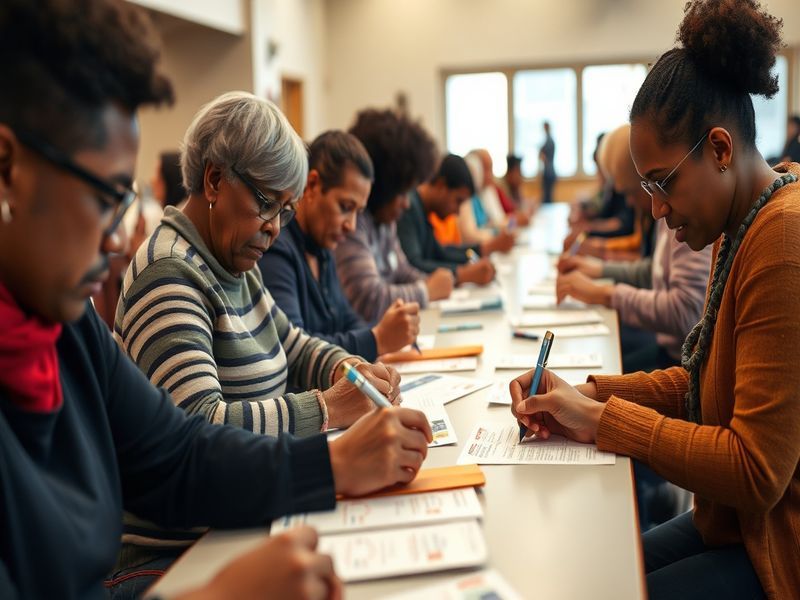
Understanding Mail-in Voting
Mail-in voting, also known as absentee voting, allows citizens to cast their ballots remotely, often via postal service. This process has gained traction in recent years, especially during significant elections. The convenience it offers can enhance voter participation, yet it also raises discussions about security and accessibility.
The Process of Mail-in Voting
Mail-in voting typically involves several steps. Voters must first request a ballot, which can usually be done online, by mail, or in person. Once the ballot is received, voters fill it out and return it by mail. Each state has its specific regulations regarding the timing of ballot requests and submissions.
Here’s a simplified overview of the mail-in voting process:
- Request a mail-in ballot from your local election office.
- Receive your ballot via postal mail.
- Complete the ballot, following all instructions carefully.
- Return the ballot by mail or designated drop-off locations.
Advantages of Mail-in Voting
One of the primary advantages of mail-in voting is its accessibility. It provides an opportunity for individuals who may have difficulty reaching polling places, such as the elderly or disabled, to participate in elections. Additionally, mail-in voting can help alleviate long lines and overcrowding at polling stations.
Other benefits include:
- Increased voter participation, particularly among those with busy schedules.
- The ability to research candidates and issues without the pressure of a ticking clock.
- Reduced exposure to potential health risks during pandemics or other emergencies.
Concerns Surrounding Mail-in Voting
Despite its advantages, mail-in voting has faced criticism. One major concern is the potential for fraud. Critics argue that mail-in ballots can be more susceptible to manipulation compared to in-person voting. However, studies show that instances of fraud in mail-in voting are exceedingly rare.
Another issue is the reliability of postal services. Delays in mail delivery can lead to ballots arriving late, thus disenfranchising voters. Ensuring that ballots are counted requires efficient systems and clear guidelines, which not all states have in place.
The Future of Mail-in Voting
The future of mail-in voting is likely to evolve as technology advances and voter needs change. Some states are exploring options such as secure online voting systems, which could further enhance accessibility. However, any changes will need to address security concerns and ensure that the integrity of elections is maintained.
As mail-in voting becomes more prevalent, it will be crucial for governments to educate voters on the process and their rights. Clear communication can help alleviate fears and misconceptions surrounding mail-in ballots.
In conclusion, mail-in voting presents both opportunities and challenges. It can significantly increase voter participation and accessibility, but concerns about security and reliability must be addressed. As we look to the future, finding a balanced approach that incorporates the benefits of mail-in voting while mitigating potential risks will be essential for maintaining trust in the electoral process. For more insights on voting and electoral systems, visit our Politics and News sections.