Mail-In Voting: Mechanics, Implications, and Future Trends
Understanding Mail-In Voting: A Comprehensive Overview
Mail-in voting, also known as absentee voting, has become a significant topic of discussion in recent elections. As a method that allows voters to cast their ballots remotely, it has offered convenience and accessibility to many. However, this voting method also raises concerns about security, integrity, and the overall electoral process.
The Mechanics of Mail-In Voting
Mail-in voting has evolved over the years, adapting to technological advancements and changing voter needs. Here’s how it typically works:
- Application Process: Voters request a mail-in ballot, often through their state’s election office website or via mail.
- Receiving the Ballot: Once the application is approved, the voter receives a ballot in the mail, which includes instructions on how to complete and return it.
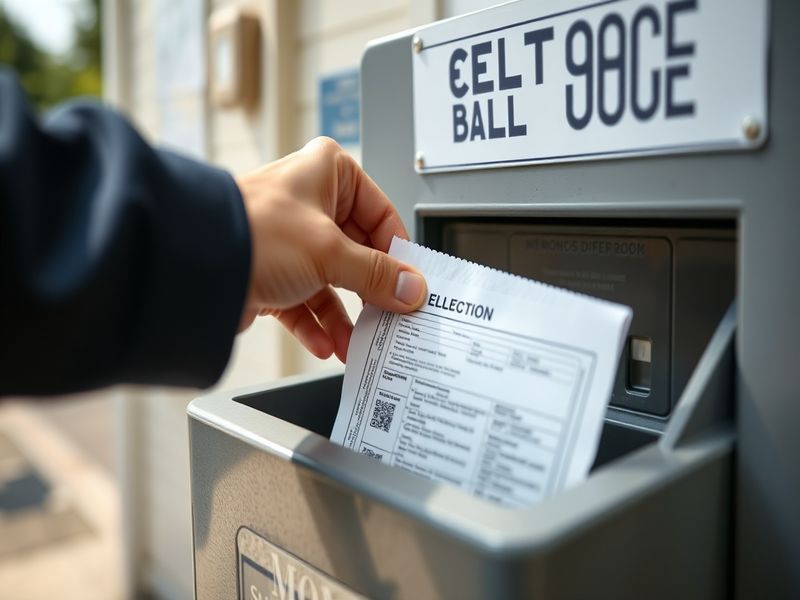
- Casting the Vote: Voters fill out the ballot and then return it by mail, or in some cases, drop it off at designated locations.
- Counting the Votes: Election officials verify the returned ballots and count them, ensuring they meet state regulations.
This process allows voters who may have difficulty accessing polling places—such as the elderly, disabled individuals, or those living abroad—to participate in elections. However, it also requires robust systems to ensure the integrity of the votes cast.
Broader Implications of Mail-In Voting
The rise of mail-in voting has far-reaching implications for the political landscape. It offers several benefits, but also presents challenges that need to be addressed:
- Accessibility: Mail-in voting increases voter participation, particularly among marginalized groups who may face barriers to in-person voting.
- Security Concerns: Critics argue that mail-in voting can be susceptible to fraud, although studies show that such incidents are rare.
- Election Administration: States must invest in technology and training to handle the increased volume of mail-in ballots effectively.
- Public Perception: The legitimacy of mail-in voting can be questioned, potentially undermining trust in electoral outcomes.
Each of these points highlights the complexity of mail-in voting as a modern electoral tool. While it can increase voter turnout, it also necessitates thorough safeguards to maintain the democratic process.
Analyzing the Future of Mail-In Voting
The future of mail-in voting will likely depend on ongoing discussions about electoral reform and public trust. As more states adopt or expand mail-in voting options, it is essential to monitor the impacts on voter turnout and election integrity. Key factors to consider include:
- Legislative Changes: New laws at both state and federal levels will shape how mail-in voting is implemented.
- Technological Advancements: Innovations in ballot tracking and verification systems may enhance security and efficiency.
- Civic Engagement: Public education campaigns are crucial to inform voters about mail-in voting processes and address misconceptions.
As we move forward, it is vital to strike a balance between making voting accessible and ensuring the integrity of elections. Policymakers, election officials, and citizens must work collaboratively to create a system that upholds democratic values while adapting to changing times.
Conclusion
Mail-in voting represents a significant shift in how elections can be conducted. While it offers numerous advantages, such as increased accessibility and convenience, it is not without its challenges. The ongoing discussions surrounding this voting method will play a crucial role in shaping future elections. As we continue to embrace technology and innovation in the electoral process, it is essential to remain vigilant about maintaining the integrity and trustworthiness of our democratic systems.
For more insights on electoral processes and voting rights, visit our Politics and News sections.