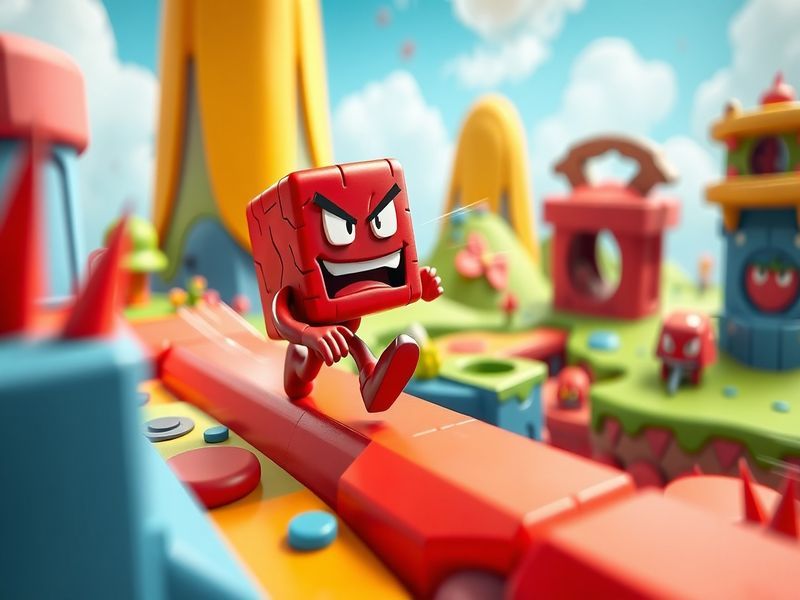
Exploring Super Meat Boy 3D: A New Dimension for an Indie Classic
Super Meat Boy has long been celebrated as a hallmark of indie gaming, known for its challenging platforming mechanics and quirky sense of humor. With the announcement of Super Meat Boy 3D, fans of the franchise are buzzing with excitement and curiosity. This new installment promises to bring the beloved characters and gameplay into a three-dimensional space, offering both nostalgia and novelty. The evolution of this franchise raises important questions about the future of indie games and the potential for innovation within established titles.
The Transition to 3D: What to Expect
Transitioning from a 2D to a 3D format is no small feat. Developers must consider various elements, including gameplay mechanics, visual style, and player experience. Super Meat Boy 3D aims to maintain the core elements that fans love while introducing new features that take advantage of the third dimension. Here are some key points to consider regarding this transition:
- Gameplay Mechanics: The fluidity of movement and precision platforming that defined the original game will need to adapt to a 3D environment.
- Visual Style: Retaining the charming, pixelated aesthetic while enhancing depth and detail could create a unique visual experience.
- Level Design: New spatial dynamics will allow for more complex level layouts, potentially increasing the challenge.
- Character Interaction: 3D environments may enable richer narrative experiences and character interactions.
These elements will be crucial in determining whether Super Meat Boy 3D can capture the essence of its predecessor while also providing an engaging new experience. It is a balancing act that many developers face when reimagining a classic title.
Broader Implications for Indie Gaming
The release of Super Meat Boy 3D is noteworthy not only for its potential impact on the franchise but also for the broader indie gaming landscape. As technology advances, indie developers are increasingly able to experiment with innovative ideas and gameplay mechanics. This shift leads to several implications for the industry:
- Increased Accessibility: 3D game development tools are becoming more accessible, allowing a wider range of developers to create unique experiences.
- Blurring of Genres: The evolution of games like Super Meat Boy encourages the blending of genres, leading to innovative gameplay.
- Community Engagement: Fans are more involved than ever in the development process, providing feedback that can shape the final product.
- Market Competition: As more developers explore 3D environments, competition will increase, pushing studios to innovate further.
In this context, the success of Super Meat Boy 3D could set a precedent for other indie titles considering similar transitions. If executed well, it might encourage other developers to explore 3D environments as a viable option for their games.
Conclusion: Anticipating the Future of Super Meat Boy
The anticipation surrounding Super Meat Boy 3D presents an exciting moment for both fans and developers. As the game moves closer to release, the community’s response will likely provide valuable insights into the future direction of indie games. By embracing new technologies and gameplay styles, Super Meat Boy 3D could not only revitalize a beloved franchise but also pave the way for other indie developers to innovate and experiment.
Ultimately, the success of Super Meat Boy 3D hinges on its ability to honor the legacy of the original while carving out its own identity. The gaming community is eager to see how this new chapter unfolds, and it may very well influence the trajectory of indie games for years to come. For more insights on gaming trends and analysis, visit our gaming section.