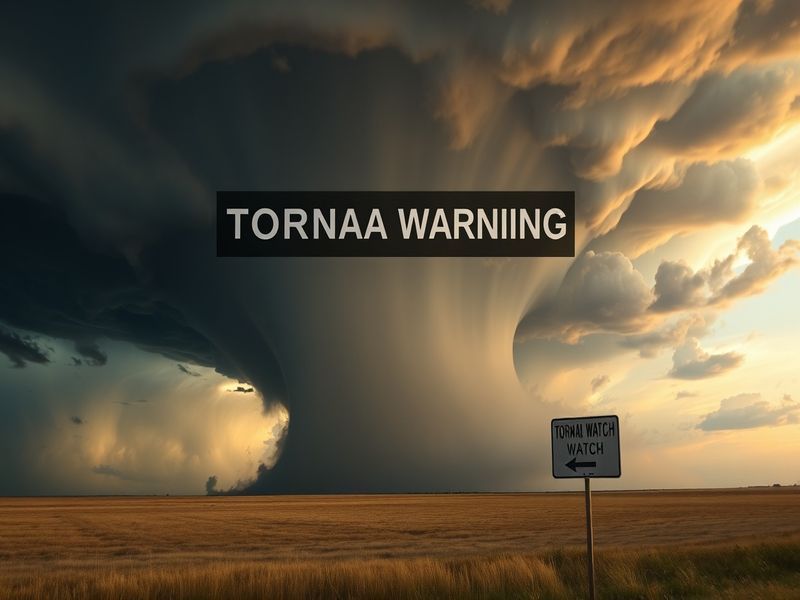
Tornado Warnings and Watches: Understanding the Difference
Tornadoes are among nature’s most destructive forces, capable of causing significant damage in mere moments. With the potential for loss of life and property, understanding how to respond to tornado alerts is crucial. Tornado warnings and watches are two terms frequently used in weather forecasting, but they carry different meanings and implications for public safety.
What is a Tornado Watch?
A tornado watch is issued when conditions are favorable for the development of tornadoes in a specific area. This does not mean that a tornado has been sighted or confirmed; rather, it serves as a warning for residents to stay alert and prepare for possible severe weather.
- Indicates potential for tornado formation.
- Typically covers a larger geographical area.
- Issued for several hours, depending on weather conditions.
- Encourages readiness without immediate danger.
During a tornado watch, it is advisable to monitor local news, weather updates, and alerts from authorities. Having an emergency plan in place can also be beneficial, as it allows individuals and families to act quickly if conditions worsen.
What is a Tornado Warning?
On the other hand, a tornado warning indicates that a tornado has been sighted or indicated by radar. This warning signifies an immediate threat to life and property, requiring urgent action from those in the affected area.
- Confirms the presence of a tornado.
- Issued for smaller, more specific areas, often covering a few counties.
- Usually lasts for a shorter duration, often 30 minutes to an hour.
- Requires immediate action, such as seeking shelter.
When a tornado warning is issued, individuals should take cover immediately. This could mean moving to a basement, an interior room, or any area away from windows. The difference in urgency between a watch and a warning is significant and can be the difference between safety and danger.
Broader Implications of Tornado Alerts
Understanding the differences between tornado watches and warnings has broader implications for community preparedness and emergency response. When residents are informed and educated about these alerts, they are more likely to take appropriate actions that can save lives.
Furthermore, the effectiveness of disseminating these alerts relies heavily on technology and communication systems. Modern advancements have led to improved forecasting and quicker alert systems. However, disparities in technology access can lead to uneven preparedness across different communities. Here are key factors to consider:
- Access to technology: Not everyone has access to smartphones or reliable internet, which can hinder timely updates.
- Public education: Communities with robust educational programs tend to respond better to alerts.
- Infrastructure: Regions with strong communication infrastructures are better equipped to disseminate warnings quickly.
- Community engagement: Local organizations can help spread awareness and prepare residents for severe weather events.
Ultimately, the effectiveness of tornado watches and warnings hinges on how well communities respond to these alerts. Regular training and drills can enhance awareness and preparedness, ensuring that when a warning is issued, individuals and families know exactly what steps to take.
Conclusion
In summary, understanding the difference between tornado watches and warnings is essential for personal safety and community preparedness. While a watch indicates potential conditions for tornado formation, a warning signifies an immediate threat that requires urgent action. By educating ourselves and our communities about these alerts, we can enhance our readiness and potentially save lives. For more information on weather safety and preparedness, visit our [Weather Safety](https://www.daveslocker.net/weather-safety) and [Emergency Preparedness](https://www.daveslocker.net/emergency-preparedness) pages.