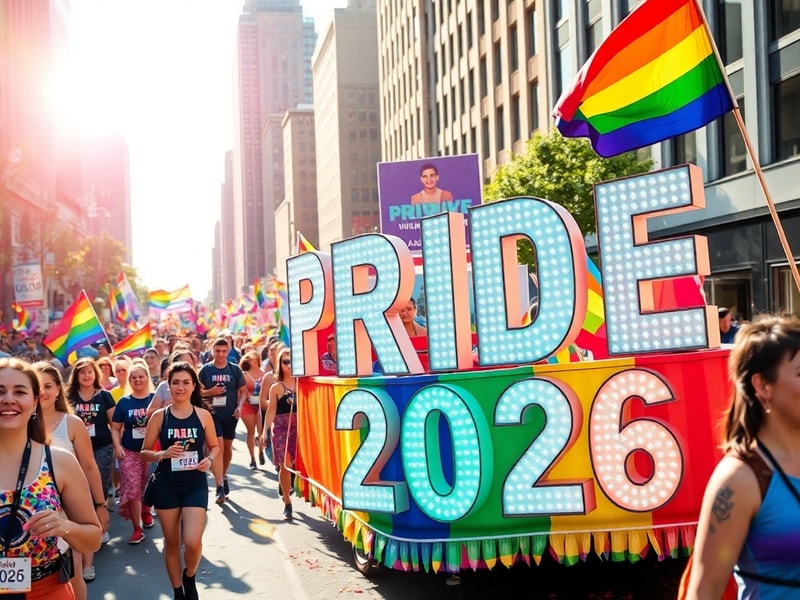
As the calendar turns to 2026, cities around the world are gearing up for one of the most anticipated Pride Parades in recent history. This year’s event promises to be more than just a celebration—it’s a reflection of decades of activism, a testament to ongoing struggles for equality, and a platform for future generations to voice their dreams and demands. With global participation expected to reach record numbers, Pride Parade 2026 is shaping up to be a defining moment for the LGBTQ+ community worldwide.
The significance of this year’s parade cannot be overstated. It arrives at a time when progress has been uneven across the globe. In some regions, marriage equality and anti-discrimination laws have made significant strides, while in others, LGBTQ+ individuals face increasing hostility and legal repression. Against this backdrop, Pride Parade 2026 will serve as both a celebration of how far the movement has come and a reminder of the work that remains unfinished.
The Global Landscape of Pride in 2026
Pride events have evolved from localized marches into global phenomena, with cities like New York, London, Berlin, and São Paulo hosting some of the largest celebrations. For 2026, organizers in these hubs are planning ambitious expansions to accommodate growing crowds and amplify marginalized voices within the LGBTQ+ community. In New York, for example, the parade route is expected to stretch farther into Brooklyn, reflecting the city’s diverse queer communities and their intersectional identities.
Internationally, Pride Parade 2026 is also making waves. In Berlin, organizers are collaborating with local art institutions to host a month-long festival leading up to the parade, blending activism with cultural expression. Meanwhile, in countries where Pride is still a radical act, such as Poland and parts of Africa, 2026 could mark a turning point as more communities demand visibility and safety. These global connections highlight the universal nature of the fight for LGBTQ+ rights while acknowledging the unique challenges faced in different regions.
The theme for Pride Parade 2026, “Together in Solidarity,” was announced last year and has resonated deeply across communities. This theme underscores the importance of unity not only within the LGBTQ+ movement but also with allies from other social justice causes. The goal is to create a space where intersectionality isn’t just acknowledged but celebrated, ensuring that voices from transgender, non-binary, and queer people of color take center stage.
Key Highlights of the 2026 Parade
The 2026 Pride Parade will feature several groundbreaking elements designed to engage participants and spectators alike. One of the most anticipated additions is the “Youth Leading the Way” float, which will showcase young activists and their campaigns for change. This initiative aims to highlight the role of Gen Z and Gen Alpha in driving the movement forward, from advocacy for gender-inclusive schools to digital campaigns against online hate.
Another highlight is the Global Unity Stage, a platform where speakers from different countries will share their stories and strategies for advancing LGBTQ+ rights. This stage will not only provide a space for international dialogue but also serve as a reminder that the fight for equality is a shared struggle. For instance, activists from Uganda, where anti-LGBTQ+ legislation has intensified, will join the stage alongside counterparts from nations with more progressive laws to discuss strategies for solidarity.
The parade will also feature a “Memory and Hope” section, dedicated to honoring those lost to violence and HIV/AIDS while celebrating the resilience of the community. This segment will include a moment of silence followed by a collective performance of a new anthem, “We Are Still Here,” written by a coalition of LGBTQ+ artists. The song’s lyrics emphasize resilience and the ongoing fight for justice.
Challenges and Controversies
Despite the optimism surrounding Pride Parade 2026, the event is not without its challenges. One of the most pressing issues is the rise of anti-LGBTQ+ rhetoric and policies in certain parts of the world. In the United States, for example, debates over transgender rights, particularly in sports and healthcare, have dominated political discourse. These controversies have spilled into Pride events, with some organizers facing pressure to either exclude certain groups or take stronger stances on political issues.
Organizers of Pride Parade 2026 have responded by adopting a “No Exceptions” policy, affirming that all LGBTQ+ individuals are welcome in the parade without conditions. This policy extends to corporate sponsors as well, with a new set of guidelines requiring companies to demonstrate genuine support for LGBTQ+ rights—not just performative allyship. Brands that fail to meet these standards will be excluded from the parade’s sponsorship roster.
Another controversy involves the commercialization of Pride. Critics argue that corporate participation has diluted the activist roots of the movement, turning it into a marketing opportunity rather than a platform for change. In response, Pride Parade 2026 has introduced a “Community First” initiative, reserving a significant portion of the parade’s budget for grassroots organizations and mutual aid funds. This ensures that the event remains rooted in its original purpose while still engaging with allies and supporters.
Security and Accessibility
Security remains a top priority for Pride Parade 2026, especially in the wake of recent attacks on LGBTQ+ spaces. Organizers have partnered with local law enforcement and private security firms to implement enhanced safety measures, including bag checks, visible police presence, and emergency response teams. However, the relationship between LGBTQ+ communities and law enforcement remains fraught, particularly for Black and brown queer individuals who have historically faced discrimination at the hands of police.
To address these concerns, Pride Parade 2026 will feature a “Community Safety Corps”, a volunteer-led team trained in de-escalation techniques and cultural competency. This team will work alongside traditional security to ensure that all participants feel safe and respected. Additionally, the parade will be fully accessible, with ASL interpreters, wheelchair-accessible routes, and sensory-friendly spaces for neurodivergent attendees.
How to Get Involved
Participation in Pride Parade 2026 extends far beyond marching in the parade. Whether you’re an ally or a member of the LGBTQ+ community, there are countless ways to engage with the event and support its mission. Here’s how you can be part of the celebration:
- Volunteer: From float-building to crowd management, volunteers are the backbone of Pride. Sign up through your local Pride organization’s website.
- Donate: Support grassroots LGBTQ+ organizations through the Community Funds initiative, which directs funds to groups providing direct services to marginalized communities.
- Educate: Attend workshops and panel discussions leading up to the parade, which will cover topics like transgender healthcare, queer history, and allyship.
- Advocate: Use your platform to amplify LGBTQ+ voices year-round, not just during Pride month. Contact your representatives to advocate for policies that protect queer rights.
- Celebrate: Whether you’re marching, spectating, or tuning in online, Pride Parade 2026 is a chance to celebrate the progress made and the work still ahead.
The Future of Pride
Pride Parade 2026 is more than an event; it’s a statement about where the LGBTQ+ movement stands today and where it’s headed. As we look to the future, several key themes are emerging that will likely shape the next decade of Pride:
- Intersectionality: Pride is increasingly recognizing the overlapping systems of oppression that affect LGBTQ+ individuals. Future parades will likely place even greater emphasis on issues like racial justice, disability rights, and economic inequality.
- Digital Activism: Social media has become a powerful tool for organizing and advocacy. Expect to see more digital components in Pride events, from virtual marches to online campaigns that extend the reach of the movement.
- Global Solidarity: The fight for LGBTQ+ rights is a global one. Future Pride events will likely feature even more international collaboration, with activists from oppressive regimes finding ways to participate and share their stories.
- Youth Leadership: Young people are driving the movement forward, and their voices will only grow louder. Future Pride events will center youth-led initiatives, ensuring that the next generation has a platform to shape the movement.
As Pride Parade 2026 unfolds, it will serve as a reminder that progress is not linear. There will be moments of joy, of protest, and of reflection. But above all, it will be a celebration of love, resilience, and the unyielding spirit of the LGBTQ+ community. Whether you’re marching down the street or watching from afar, your participation—however you choose to engage—helps ensure that Pride remains a powerful force for change.
For those looking to stay updated on Pride Parade 2026, follow the official Pride Updates page on Dave’s Locker. Here, you’ll find schedules, ways to get involved, and stories from the community that highlight the diverse experiences of LGBTQ+ individuals around the world.