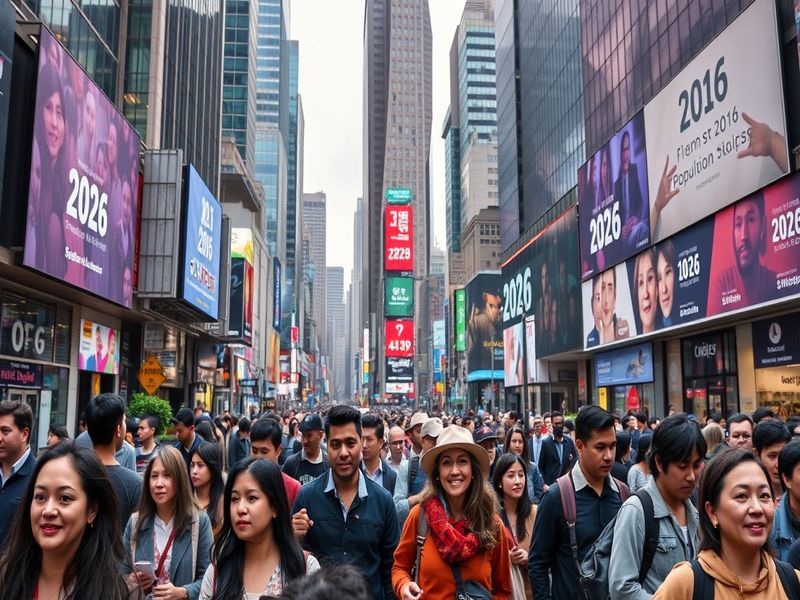
Projected Growth of the U.S. Population by 2026
The United States is on a trajectory of growth, with projections indicating that the population will continue to increase over the next few years. By 2026, estimates suggest that the U.S. population could reach approximately 340 million people. This growth is influenced by a combination of factors, including birth rates, immigration patterns, and overall demographic shifts.
Factors Influencing Population Growth
Several key factors contribute to the expected growth of the U.S. population. Understanding these elements can provide insight into future trends and challenges. The main factors include:
- Birth Rates: Although birth rates have been declining in recent years, they remain a significant factor in population growth.
- Immigration: Immigration continues to be a major driver of population change, with diverse communities contributing to demographic richness.
- Longevity: Increasing life expectancy means that more people are living longer, adding to the overall population count.
- Economic Conditions: Economic factors can influence family planning decisions, impacting both birth rates and immigration.
Regional Growth Patterns
Population growth is not uniform across the United States. Different regions are experiencing varying rates of increase, influenced by local economies, job opportunities, and quality of life. For instance, states in the South and West are seeing more significant growth compared to the Midwest and Northeast.
Some notable trends include:
- Southwest Growth: States like Texas and Arizona are attracting a large influx of residents due to robust job markets and favorable climates.
- Urbanization: Urban areas are expanding as people migrate toward cities for better opportunities, leading to increased population density.
- Suburban Expansion: Many families are moving to suburban areas for more space and improved living conditions, which can shift population dynamics.
Challenges and Considerations
With population growth comes a set of challenges that policymakers and communities must address. Infrastructure, healthcare, and education systems may all feel the strain as more people move into certain areas. Additionally, the environmental impact of a growing population must be considered.
Key challenges include:
- Housing Shortages: Increased demand for housing can lead to shortages and rising costs, making affordability a pressing issue.
- Healthcare Access: A growing population can strain healthcare resources, necessitating improvements in services and accessibility.
- Transportation Needs: Urban areas may face congestion and transportation challenges as more residents rely on public transit or personal vehicles.
Addressing these challenges will require coordinated efforts from government agencies, private sectors, and communities. Planning for infrastructure development and resource allocation is essential to ensure sustainable growth.
Conclusion
The U.S. population is set to grow significantly by 2026, driven by various factors such as birth rates, immigration, and longevity. While this growth presents opportunities for economic development and cultural diversity, it also brings challenges that need careful consideration. Policymakers must work proactively to address issues related to housing, healthcare, and infrastructure to accommodate this increase effectively.
Understanding these dynamics will be crucial for shaping a future that benefits all residents of the United States. For more insights on population trends and related topics, check out our analysis section or explore our news updates.