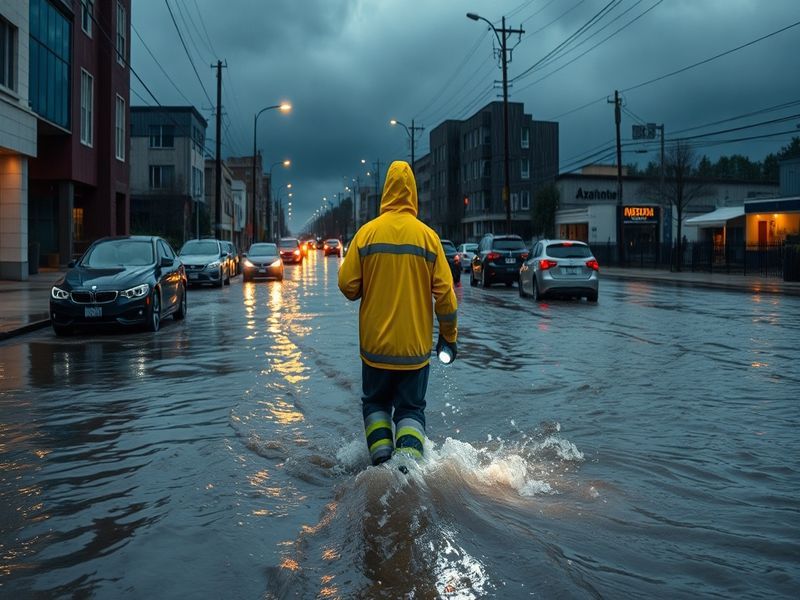
Understanding Flood Watches: A Global Perspective
A flood watch is an important weather alert issued when conditions are favorable for flooding in a specific area. These alerts play a crucial role in preparing communities for potential natural disasters. The unpredictability of weather patterns, exacerbated by climate change, has made these alerts increasingly relevant across the globe.
The Mechanism Behind Flood Watches
Flood watches are typically issued by meteorological agencies and serve as early warnings. They indicate that flooding could occur, but it is not yet certain. This distinction is vital for emergency preparedness, allowing communities to take proactive measures. The criteria for issuing a flood watch can vary by region, depending on local geography, climate, and historical weather patterns.
- Monitoring Weather Patterns: Meteorologists use various tools to track storm systems, rainfall, and river levels.
- Geographic Considerations: Regions prone to flooding, such as low-lying areas or those near rivers, are monitored more closely.
- Public Notification: Alerts are disseminated through various channels, including radio, television, and social media.
In essence, a flood watch is a call to action. It encourages individuals and communities to stay informed and be prepared for potential evacuations or other safety measures. The effectiveness of these alerts can significantly reduce the impact of flooding on lives and property.
Cultural Context of Flooding and Preparedness
Flooding is not just a meteorological phenomenon; it carries significant cultural implications. Different regions have unique ways of coping with floods, often shaped by historical experiences and societal structures. For instance, in parts of Southeast Asia, communities have developed intricate flood management systems, including floating gardens and elevated homes. Such adaptations reflect a deep understanding of local ecosystems and the necessity for resilience.
Conversely, in urban areas with less historical experience of flooding, the sudden onset of a flood watch can lead to panic and confusion. Public education on flood preparedness varies widely, influencing how communities react to such warnings. Therefore, enhancing public awareness and education about flood risks is essential for improving responses to flood watches.
Global Impacts of Climate Change on Flood Patterns
Recent studies indicate that climate change is altering rainfall patterns and increasing the frequency of extreme weather events, including flooding. As weather becomes more unpredictable, regions that have never experienced flooding may find themselves facing new challenges. This global shift necessitates a reevaluation of existing flood management strategies.
- Increased Rainfall: Many areas are experiencing heavier and more intense rainfall, leading to flash floods.
- Rising Sea Levels: Coastal regions are particularly vulnerable, as higher sea levels contribute to more frequent flooding.
- Urbanization: Rapid urban development can exacerbate flooding by increasing impervious surfaces, reducing natural drainage.
Countries are beginning to recognize the urgent need for comprehensive flood management plans. Collaborative efforts that include government agencies, local communities, and international organizations are essential for developing effective strategies. Investing in infrastructure, improving forecasting technologies, and enhancing public education about flood risks are critical steps in addressing this growing concern.
Conclusion
The significance of flood watches transcends mere weather alerts; they represent a vital aspect of disaster preparedness in a changing climate. Understanding the mechanisms behind these alerts and their cultural implications can enhance community resilience. As climate change continues to challenge traditional weather patterns, it is imperative that societies adapt and innovate in their approaches to flood management. By fostering awareness and preparedness, communities can better safeguard lives and property against the threats posed by flooding.
For more information on related topics, visit our Sports and News sections.