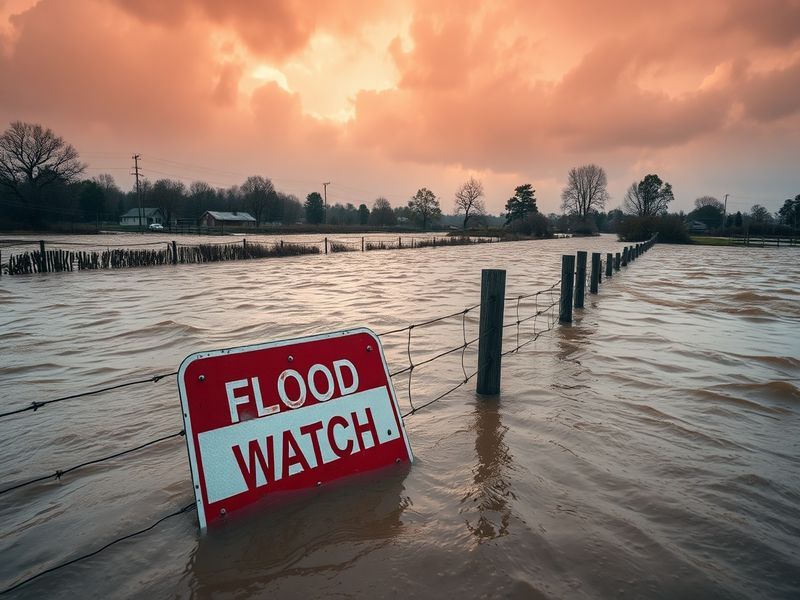
Flood Watch: Understanding Alerts and Preparedness Strategies
Understanding Flood Watches: What You Need to Know
A flood watch is a crucial alert issued by meteorological agencies to inform the public about the potential for flooding in a specific area. Unlike a flood warning, which indicates that flooding is already occurring or imminent, a flood watch serves as a heads-up for residents to be prepared for possible adverse weather conditions. This article will explore the significance of flood watches, how they are issued, and the steps individuals can take to stay safe during potential flooding events.
How Flood Watches Are Issued
Flood watches are typically issued based on meteorological forecasts that predict significant rainfall or snowmelt, which could lead to an increase in water levels in rivers, streams, and other bodies of water. The National Weather Service (NWS) is responsible for monitoring weather patterns and issuing these alerts. Several factors are considered before a flood watch is issued, including:
- Current weather conditions
- Soil saturation levels
- Forecasted precipitation amounts
- River and stream levels
When these elements align to suggest a high likelihood of flooding, the NWS issues a flood watch. It is essential for residents and local authorities to stay informed and vigilant during these alerts, as they can change quickly, depending on evolving weather conditions.
Impacts of Flooding
Flooding can have devastating effects on communities, infrastructure, and the environment. The impacts can vary significantly depending on the severity of the flood and the preparedness of the area affected. Key consequences of flooding include:
- Property Damage: Homes and businesses can suffer extensive damage, leading to costly repairs and financial strain.
- Displacement: Residents may be forced to evacuate their homes, leading to temporary or permanent displacement.
- Infrastructure Disruption: Roads, bridges, and public transportation can be severely affected, complicating emergency response efforts.
- Environmental Effects: Flooding can lead to soil erosion, water contamination, and damage to local ecosystems.
Understanding these impacts emphasizes the importance of heeding flood watches and preparing accordingly. Communities that take proactive measures often fare better during and after flooding events.
Staying Prepared During a Flood Watch
Preparation is key when a flood watch is issued. Here are several practical steps individuals and families can take to ensure their safety:
- Stay Informed: Monitor local news and weather updates for the latest information on flood watches and warnings.
- Create an Emergency Kit: Assemble a kit that includes essential items such as non-perishable food, water, medications, flashlights, and batteries.
- Develop an Evacuation Plan: Know your evacuation routes and have a plan in place for where to go and how to get there.
- Secure Your Property: Move valuables to higher ground and consider flood barriers or sandbags to protect your home.
By taking these steps, individuals can significantly reduce the risks associated with flooding and ensure a more effective response should a flood occur.
Conclusion
Flood watches play a vital role in alerting communities to the potential for flooding. Understanding how these alerts work, their implications, and the importance of preparedness can help reduce risks to life and property. Whether you live in a flood-prone area or not, being aware of weather conditions and having a plan can make all the difference in the event of severe weather. For more information on weather-related safety and preparedness measures, visit our news section and explore our education resources.