Iran’s Letter to America: A Rare Diplomatic Gesture Explained
“`html
Iran’s Letter to the American People: A Rare Diplomatic Gesture
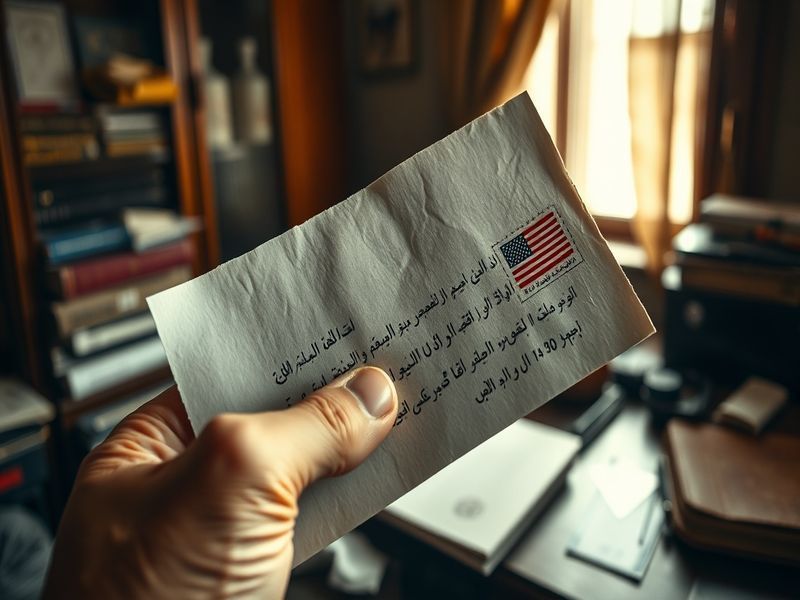
The Iranian government’s decision to address the American public directly through an open letter is a rare and deliberate diplomatic move. Published in February 2024, the letter—titled “The Message of the Iranian Nation to the American People”—was disseminated through official channels and social media platforms, including Farsi and English translations. Its content has sparked discussions among policymakers, analysts, and the general public on both sides of the geopolitical divide.
While such direct communication between governments is uncommon, this letter stands out for its unusual framing. It does not follow the typical diplomatic script of formal statements or backchannel negotiations. Instead, it adopts a more narrative-driven approach, aiming to present Iran’s perspective on historical grievances, current tensions, and future aspirations. This shift from traditional diplomacy to public-facing messaging suggests a strategic effort to bypass intermediaries and engage directly with the American populace.
The Context Behind the Letter
The timing of the letter is significant. Relations between Iran and the United States have remained strained for decades, marked by sanctions, military posturing, and mutual distrust. Recent years have seen escalations, including the U.S. withdrawal from the Iran nuclear deal in 2018 and subsequent sanctions that have crippled Iran’s economy. Meanwhile, Iran has continued its nuclear program, albeit within the limits set by the original agreement, and has expanded its regional influence through proxy groups.
Against this backdrop, the letter arrives as a calculated attempt to reframe the narrative. It arrives at a moment when both countries are reassessing their foreign policies—Tehran under new leadership and Washington under shifting political priorities. The letter’s authors, likely a mix of Iranian officials and cultural figures, seem to recognize that public opinion in the U.S. could play a role in shaping policy decisions, particularly in an election year.
The letter also reflects Iran’s long-standing strategy of using cultural and diplomatic outreach to counterbalance its pariah status in Western eyes. Previous attempts, such as the 2015 nuclear negotiations, were framed as efforts to normalize relations. However, those efforts were largely state-to-state, leaving little room for public engagement. This letter breaks that mold by speaking directly to Americans, bypassing traditional diplomatic filters.
Key Themes in the Letter
The letter is structured around several central themes, each designed to appeal to different segments of the American audience. These themes can be grouped into four broad categories:
- Historical Grievances: The letter emphasizes what Iran describes as centuries of Western intervention, from colonial-era meddling to the 1953 coup that reinstated the Shah. This framing serves to contextualize Iran’s current policies as defensive rather than aggressive.
- Cultural and Civilizational Bonds: The authors highlight shared historical connections, such as Persian influences on American culture and the contributions of Iranian Americans to U.S. society. This approach aims to humanize Iranians and foster empathy.
- Calls for Mutual Respect: The letter repeatedly stresses the need for respect between nations, positioning Iran as a willing partner in dialogue if the U.S. meets it halfway. This includes references to Iran’s nuclear program as a matter of national pride rather than defiance.
- Economic and Humanitarian Concerns: The authors point to the humanitarian impact of sanctions, particularly on ordinary Iranians, and call for lifting restrictions that they argue harm civilians more than governments.
One of the most striking elements of the letter is its use of language. Unlike typical diplomatic statements, which often rely on formal and sterile prose, this letter employs a more emotive and storytelling style. It includes personal anecdotes, references to poetry, and calls for solidarity between the two peoples. This approach is deliberate, as it seeks to create an emotional connection rather than a purely transactional relationship.
The letter also includes a section addressed specifically to the American public, urging them to question their government’s policies. This is a bold move, as it challenges the audience to see Iran not as an adversary but as a misunderstood nation seeking dialogue. Whether this strategy will resonate with Americans remains to be seen, but it represents a significant departure from traditional Iranian diplomacy.
Reactions and Responses
The letter has elicited a wide range of reactions in the U.S., reflecting the country’s polarized political climate. Among progressive circles, particularly those advocating for diplomacy over confrontation, the letter has been met with cautious optimism. Organizations like the National Iranian American Council have highlighted the letter as a step toward de-escalation, urging policymakers to engage with its proposals.
Conversely, hardline factions in Washington have dismissed the letter as propaganda. Critics argue that Iran’s actions—such as its support for groups like Hezbollah and its ballistic missile program—contradict its calls for peace. These skeptics point out that Iran has not made any substantive concessions in its policies, making its diplomatic overtures seem insincere to some.
Media coverage of the letter has been equally divided. While some outlets have framed it as a genuine attempt at bridge-building, others have treated it as a cynical ploy to weaken U.S. resolve ahead of negotiations. The lack of consensus underscores the challenge of interpreting Iran’s intentions, particularly when its actions do not align with its words.
Public opinion polls in the U.S. have shown mixed results. A Pew Research Center survey conducted in March 2024 found that 42% of Americans believe the letter represents a sincere attempt at dialogue, while 38% view it as propaganda. The remaining respondents were undecided. These numbers suggest that the letter has not yet shifted the broader American perception of Iran, but it has opened a conversation about the possibility of engagement.
What This Means for Future Relations
The Iranian letter to the American people is more than a symbolic gesture; it is a test of whether public diplomacy can play a role in easing tensions between the two nations. Historically, such efforts have had limited success, particularly when they lack corresponding actions from the sending country. However, the letter’s emphasis on shared cultural heritage and mutual respect offers a potential pathway for future engagement.
For this strategy to succeed, both sides would need to make concessions. Iran would likely need to demonstrate a willingness to address concerns about its nuclear program and regional activities, while the U.S. would need to consider easing sanctions or offering incentives. The letter itself does not outline specific demands, leaving room for interpretation and negotiation.
Another critical factor is the role of intermediaries. Given the current state of relations, it is unlikely that direct talks will resume without third-party involvement. Countries like Oman, Switzerland, or even non-state actors could facilitate backchannel discussions to explore the feasibility of the letter’s proposals.
Ultimately, the letter’s impact will depend on how it is received in Washington and Tehran. If American policymakers dismiss it as mere rhetoric, Iran may revert to more confrontational tactics. Conversely, if the letter sparks a broader debate about engagement, it could pave the way for incremental steps toward normalization. For now, the letter remains an intriguing footnote in U.S.-Iran relations—a rare attempt at public diplomacy in an otherwise fraught relationship.
The broader implications of this letter extend beyond Iran and the U.S. It raises questions about the role of public diplomacy in resolving international conflicts. In an era where social media and digital communication dominate, governments may increasingly turn to direct messaging as a tool to shape global narratives. Whether this approach will yield tangible results remains uncertain, but the Iranian letter serves as a case study in the power—and limitations—of such strategies.