The Mars Climate Orbiter: A Mission to Understand Mars’ Atmosphere
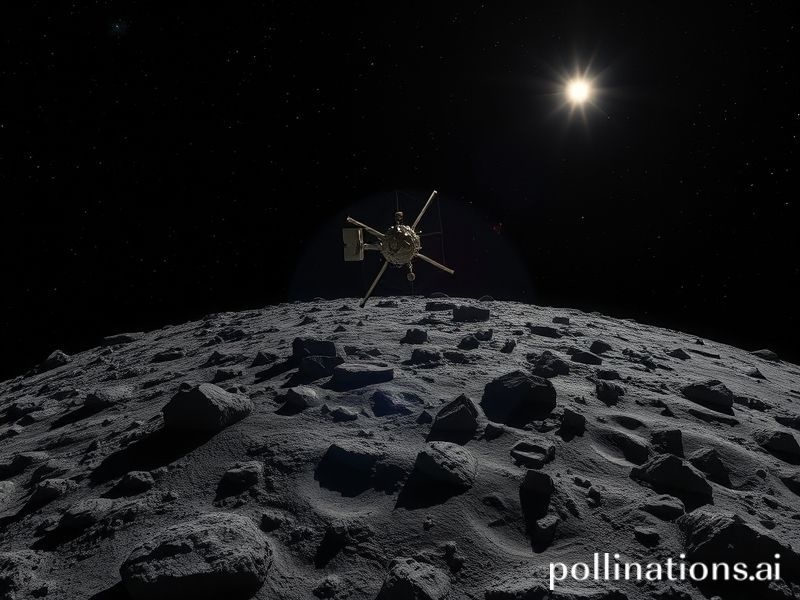
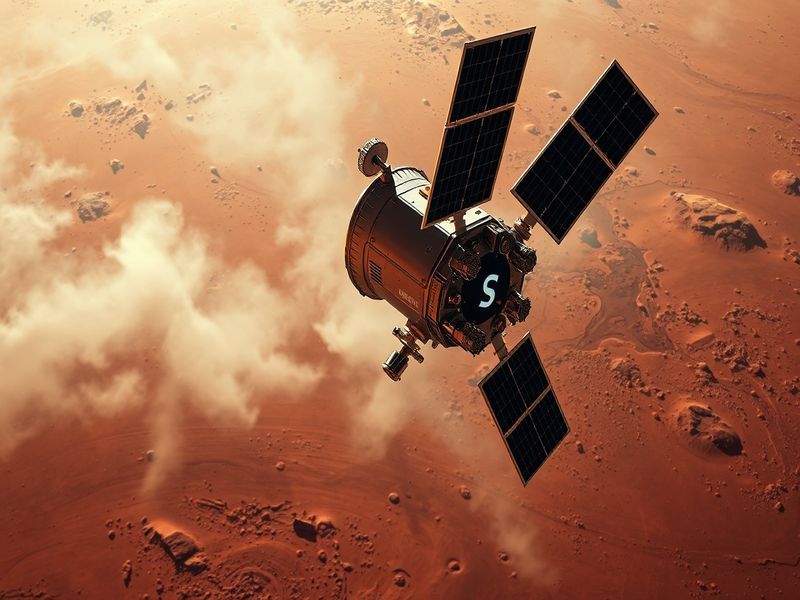
The Mars Climate Orbiter, launched on December 11, 1998, was a significant mission aimed at studying the Martian atmosphere. Designed by NASA, the orbiter was intended to provide vital data about weather patterns and climate on Mars. However, the mission ended abruptly when the spacecraft was lost in September 1999, just before it was set to enter orbit around the Red Planet.
Objectives and Design of the Orbiter
The primary goal of the Mars Climate Orbiter was to analyze the Martian atmosphere and provide insights into weather conditions on the planet. The orbiter was equipped with a suite of scientific instruments, including:
- Thermal Emission Spectrometer
- Imaging Science Subsystem
- Pressure Sensor
- Radio Science Experiment
These instruments were designed to collect data on temperature, pressure, and dust storms, among other atmospheric phenomena. The orbiter was expected to operate for at least two years, providing continuous data that could help scientists understand the Martian climate and its potential for supporting life.
Mission Failure: A Lesson in Precision
Despite the ambitious goals, the Mars Climate Orbiter met an unfortunate fate. The spacecraft was lost due to a navigation error that stemmed from a simple unit conversion mistake. The engineering team used imperial units for some calculations while others used metric units. This oversight caused the orbiter to enter the Martian atmosphere at a lower altitude than planned, resulting in its destruction.
The loss of the Mars Climate Orbiter serves as a crucial reminder of the importance of precision in space missions. Small errors can lead to catastrophic outcomes, particularly when dealing with complex systems like spacecraft. NASA took this incident seriously and implemented changes in their protocols to enhance accuracy in future missions.
Impact on Future Mars Missions
The failure of the Mars Climate Orbiter had far-reaching implications for subsequent Mars missions. Lessons learned from the incident influenced the design and operation of later spacecraft, including the Mars Exploration Rovers and the Mars Science Laboratory. These missions benefited from improved communication, better training for engineers, and stricter adherence to measurement standards.
In addition, the incident sparked a renewed focus on project management and risk assessment. NASA began to prioritize clear communication between various teams involved in mission planning and execution. This shift has proven beneficial, leading to successful missions such as the Mars Curiosity Rover and the Perseverance Rover.
Conclusion: Reflections on a Lost Mission
The Mars Climate Orbiter, although a failure, provided invaluable lessons that continue to shape the future of space exploration. The mission’s objectives were ambitious, and the data it aimed to collect could have significantly advanced our understanding of Mars. However, the navigation error highlights the critical nature of accuracy and the complexities involved in interplanetary missions.
As we look forward to future explorations of Mars and beyond, the legacy of the Mars Climate Orbiter serves as a poignant reminder of the challenges faced in the quest for knowledge. Each mission, successful or not, contributes to the larger tapestry of human understanding of our neighboring planets.