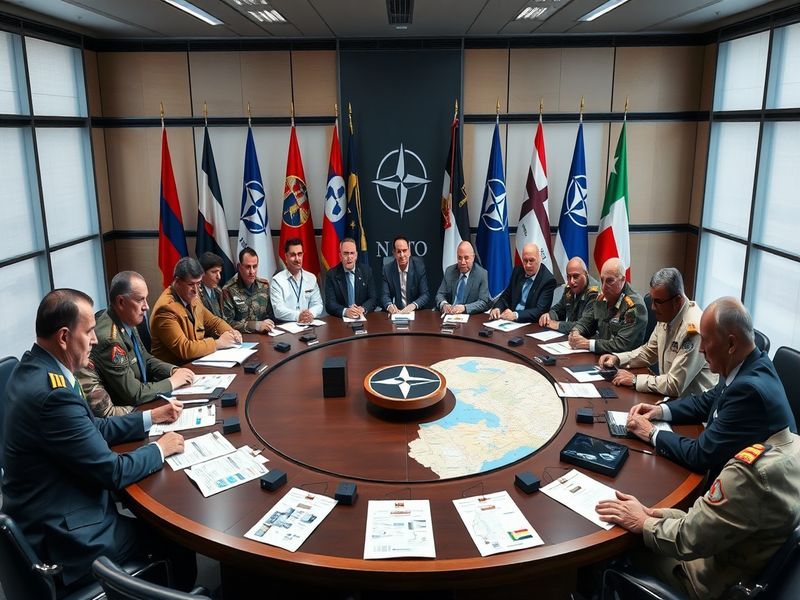
Understanding NATO: An Overview
The North Atlantic Treaty Organization (NATO) is a military alliance that plays a crucial role in global security. Founded in 1949, NATO was established primarily as a counterbalance to the Soviet Union during the Cold War. The alliance has evolved over the decades, adapting to new geopolitical challenges and expanding its membership beyond its original founding nations.
Historical Context
NATO emerged in a post-World War II environment characterized by instability and a power vacuum in Europe. The original signatories included twelve countries: the United States, Canada, and ten Western European nations. The primary goal was to provide collective defense against potential aggression from the Soviet Union.
As the years progressed, NATO’s role transformed. The fall of the Berlin Wall in 1989 marked a significant turning point, leading to the dissolution of the Soviet Union and altering the security landscape in Europe. This shift prompted NATO to rethink its strategies and objectives, paving the way for the inclusion of former Eastern Bloc countries.
Key Principles of NATO
NATO operates on several core principles that guide its actions and policies:
- Collective Defense: Article 5 of the NATO treaty states that an attack on one member is considered an attack on all. This principle is the cornerstone of the alliance, ensuring mutual support among member nations.
- Democratic Values: NATO promotes the values of democracy, individual liberty, and the rule of law. Member states must adhere to these principles to maintain their membership.
- Peaceful Resolution of Disputes: The organization encourages dialogue and peaceful solutions to conflicts, emphasizing diplomacy over military action.
- Cooperation with Global Partners: NATO collaborates with non-member countries and international organizations to address security challenges that transcend borders.
NATO’s Evolution and Current Relevance
In recent years, NATO has faced new challenges, including cyber threats, terrorism, and the rise of authoritarian regimes. The alliance has adapted by enhancing its capabilities and focusing on various operational fronts. For example, NATO has increased its presence in Eastern Europe in response to Russia’s actions in Ukraine, demonstrating its commitment to collective defense.
The significance of NATO extends beyond military might. It serves as a platform for political dialogue among member states. This diplomatic engagement is crucial for addressing global security issues, fostering cooperation, and building trust among nations.
Furthermore, NATO’s role in crisis management has become increasingly important. The alliance has participated in various missions worldwide, including peacekeeping efforts in the Balkans and counter-terrorism operations in Afghanistan. These missions highlight NATO’s adaptability and commitment to maintaining international peace and security.
Conclusion
NATO remains a vital entity in the realm of international relations. Its foundational principles of collective defense, democratic values, and peaceful dispute resolution continue to guide its operations. As the global security landscape evolves, NATO’s ability to adapt and address emerging threats will determine its relevance in the years ahead.
For those interested in more discussions about international relations and security, consider exploring our Politics or News sections for further insights.