<!DOCTYPE html>
<html lang="en">
<head>
    <meta charset="UTF-8">
    <meta name="viewport" content="width=device-width, initial-scale=1.0">
    <title>Royal Families Today: The Lasting Power of Tradition in a Modern World</title>
</head>
<body>
    <article>
        <header>
            <h1>Royal Families Today: The Lasting Power of Tradition in a Modern World</h1>
            <p>From Europe to the Middle East, royal families remain powerful symbols of continuity, identity, and national pride. While some nations have moved toward republicanism, others cling tightly to their monarchies—often with surprising public support.</p>
        </header>

        <section>
            <h2>The Enduring Appeal of Monarchy</h2>
            <p>Despite the global trend toward democratic governance, monarchy persists in over 40 countries. The United Kingdom, Spain, Sweden, Japan, and Morocco are just a few examples where royal families play active roles in national life. But why do these institutions endure?</p>

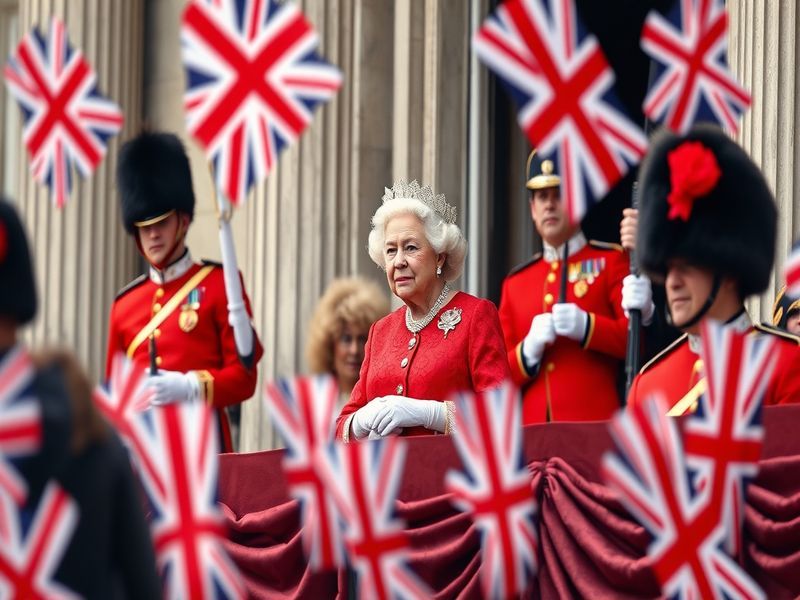
            <p>One key factor is their ability to evolve. Modern monarchs often serve as unifying figures rather than absolute rulers. Queen Elizabeth II, for instance, became a global symbol of stability during her 70-year reign. Her presence provided a sense of continuity amid rapid social change. Similarly, King Felipe VI of Spain has positioned the monarchy as a stabilizing force amid political divisions.</p>

            <p>Another reason is cultural identity. In nations with deep historical roots, royalty often represents more than political power—it embodies heritage. Japan’s imperial family, for example, traces its lineage back 1,500 years, making it one of the world’s oldest continuous monarchies. Even in countries where monarchs hold limited authority, their ceremonial roles help preserve national traditions.</p>

            <h3>Why Do Some Nations Reject Monarchy?</h3>
            <p>Not all societies embrace royalty. Countries like Germany, Italy, and Australia have transitioned to republics, often after periods of political upheaval. Public opinion plays a crucial role—when monarchies are seen as outdated or corrupt, support wanes.</p>

            <p>The key differences between pro-monarchy and anti-monarchy nations often come down to:</p>
            <ul>
                <li><strong>Historical legacy:</strong> Monarchies that survived revolutions or wars often retain legitimacy.</li>
                <li><strong>Symbolic value:</strong> Nations with strong national identities may see royals as guardians of culture.</li>
                <li><strong>Political stability:</strong> In some cases, monarchies prevent power struggles by providing neutral leadership.</li>
            </ul>
        </section>

        <section>
            <h2>The Role of Royal Families in the 21st Century</h2>
            <p>Today’s royals are expected to do more than attend ceremonies—they must be diplomats, influencers, and even activists. Prince Harry and Meghan Markle’s decision to step back from royal duties in 2020 highlighted the pressures of modern monarchy. Their move sparked debates about tradition versus personal freedom.</p>

            <p>Meanwhile, Crown Prince Haakon of Norway has used his platform to advocate for climate action, aligning with global priorities. Sweden’s Crown Princess Victoria has focused on gender equality, demonstrating how royals can influence social change.</p>

            <p>But not all royal families adapt smoothly. Thailand’s monarchy, one of the world’s wealthiest, faces scrutiny over its political influence. In Saudi Arabia, Crown Prince Mohammed bin Salman has modernized aspects of the kingdom while maintaining strict control over dissent.</p>

            <h3>Key Responsibilities of Modern Monarchs</h3>
            <p>While duties vary by nation, many royal families now focus on:</p>
            <ol>
                <li><strong>Diplomacy:</strong> Representing their countries abroad and fostering international relations.</li>
                <li><strong>Charity work:</strong> Supporting causes like education, healthcare, and environmental conservation.</li>
                <li><strong>Cultural preservation:</strong> Promoting national heritage through events and initiatives.</li>
                <li><strong>Public engagement:</strong> Using social media and public appearances to connect with younger generations.</li>
            </ol>
        </section>

        <section>
            <h2>The Economic Impact of Royalty</h2>
            <p>Monarchies are big business. Tourism thrives on royal palaces, castles, and ceremonies. The British royal family alone contributes billions to the UK economy annually through tourism, merchandise, and media rights. The Dutch royal family’s 2023 state visit to the U.S. generated significant economic interest.</p>

            <p>However, critics argue that royal families are expensive burdens. In 2021, the British monarchy cost taxpayers £86.3 million, though this is a fraction of its economic contribution. Some nations, like Sweden, have reduced royal funding over the years, opting for more modest allowances.</p>

            <p>The debate over royal finances reflects broader tensions between tradition and fiscal responsibility. As economic pressures grow, even long-standing monarchies may face calls for reform.</p>
        </section>

        <section>
            <h2>What Does the Future Hold for Royalty?</h2>
            <p>Several trends suggest monarchy will continue evolving rather than disappearing entirely. First, younger generations of royals are embracing digital engagement, using platforms like Instagram and TikTok to connect with the public. Princess Märtha Louise of Norway, for instance, has built a strong personal brand through her podcast and public speaking.</p>

            <p>Second, some monarchies are becoming more inclusive. The Dutch royal family welcomed its first Black council member in 2022, reflecting the country’s diverse population. Meanwhile, Japan’s imperial family faces succession challenges due to laws that restrict female heirs from inheriting the throne.</p>

            <p>Finally, geopolitical shifts may reshape royal roles. As nations reassess their global positions, monarchies could serve as neutral diplomatic assets. The UAE’s leadership, for example, uses royal figures to strengthen ties with both Western and Eastern powers.</p>

            <h3>Three Possible Scenarios for Royal Families</h3>
            <p>Looking ahead, monarchy could follow one of three paths:</p>
            <ul>
                <li><strong>Continued adaptation:</strong> Royals will modernize their roles, focusing on soft power and public service.</li>
                <li><strong>Gradual decline:</strong> Some monarchies may shrink in influence, becoming purely ceremonial figures.</li>
                <li><strong>Resurgence in new forms:</strong> In nations with political instability, royalty could regain relevance as stabilizing forces.</li>
            </ul>

            <p>The monarchy’s future hinges on its ability to remain relevant. As long as they can balance tradition with modernity, royal families will likely endure—though their roles may look very different in another century.</p>
        </section>

        <footer>
            <p>Royal families remain a fascinating paradox—simultaneously ancient institutions and adaptable modern figures. Whether as symbols of unity, economic assets, or cultural guardians, their influence persists. The question is no longer whether monarchy will survive, but how it will evolve next.</p>
        </footer>
    </article>

    <hr>

    <!-- Metadata Section -->
    <div style="display: none;">