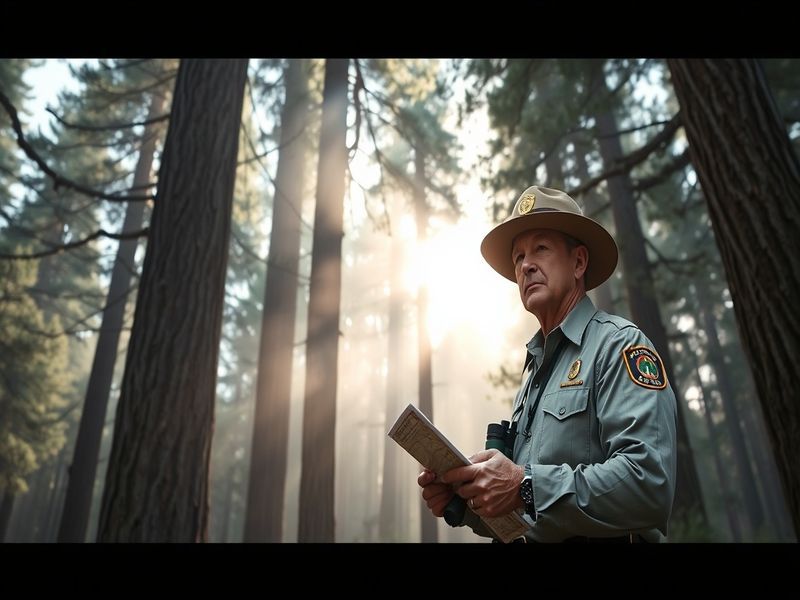
The U.S. Forest Service (USFS) stands as one of the nation’s most vital agencies, tasked with the stewardship of 193 million acres of public lands across 43 states and Puerto Rico. Established in 1905 under President Theodore Roosevelt, the agency operates under the mission to sustain the health, diversity, and productivity of the nation’s forests and grasslands for the benefit of present and future generations. With over 30,000 employees and an annual budget exceeding $6 billion, the USFS plays a critical role in conservation, wildfire management, recreation, and sustainable resource use.
A Century of Conservation: The USFS Mission and History
The creation of the USFS marked a turning point in American environmental policy. Roosevelt, a conservationist at heart, recognized the need to protect the nation’s forests from unchecked logging and land degradation. The agency was born from the Forest Reserve Act of 1891, which allowed the president to set aside public lands for forest reserves. The Organic Act of 1897 further defined its purpose, emphasizing the protection of watersheds and the supply of timber for the public good.
By the mid-20th century, the USFS expanded its focus to include recreation, wildlife habitat conservation, and fire management. The 1960 Multiple-Use Sustained-Yield Act formalized this broader mandate, requiring the agency to balance timber production, grazing, water management, and outdoor recreation. Today, the USFS manages lands that serve 154 national forests and 20 national grasslands, offering everything from hiking trails to timber sales that support local economies.
Key Programs and Initiatives
The USFS operates through a network of programs designed to fulfill its multi-faceted mission. These include:
- Fire and Aviation Management: The agency is the federal leader in wildfire suppression, spending over $3 billion annually on fire management. Programs like the Wildland Fire Management Program ensure preparedness and response to increasingly severe fire seasons.
- Recreation and Heritage: With 170,000 miles of trails and thousands of developed recreation sites, the USFS is a cornerstone of outdoor tourism. The National Recreation Reservation Service handles over 10 million reservations annually for campgrounds and cabins.
- Forest Products and Economics: The USFS manages timber sales that contribute to rural economies, generating approximately $500 million in revenue annually. These sales are conducted under strict environmental guidelines to ensure sustainability.
- Research and Development: The agency’s research stations, such as the Pacific Northwest Research Station, conduct studies on climate change, forest health, and invasive species. This science informs policy and on-the-ground management decisions.
Balancing Act: Challenges Facing the USFS
Despite its successes, the USFS faces persistent challenges that test its capacity and adaptability. Climate change is perhaps the most pressing issue, altering forest ecosystems and increasing the frequency and intensity of wildfires. The 2020 fire season alone saw over 10 million acres burned across the U.S., with many fires occurring on USFS-managed lands. Rising temperatures, prolonged droughts, and insect infestations, such as bark beetle outbreaks, further stress forest health.
Budget constraints also pose significant hurdles. While wildfire suppression costs have skyrocketed—consuming over half of the USFS budget in some years—funding for prevention and restoration projects often lags. This imbalance forces the agency to divert resources from other critical areas, such as reforestation and wildlife habitat restoration. In 2021, Congress passed the Bipartisan Infrastructure Law, allocating $3.2 billion to wildfire resilience projects, but long-term solutions remain elusive.
Another challenge is the growing demand for outdoor recreation. The COVID-19 pandemic accelerated a trend already in motion, with national forest visits surging by 18% in 2020 alone. While this boosts local economies, it also strains infrastructure and increases the risk of environmental degradation. The USFS has responded by expanding trails and improving accessibility, but balancing access with conservation requires careful planning.
Collaboration and Community: The USFS in Action
The USFS cannot operate in isolation. Its success hinges on partnerships with tribal nations, state agencies, nonprofits, and private landowners. For example, the agency collaborates with conservation groups like The Nature Conservancy to restore degraded landscapes and promote biodiversity. These partnerships often leverage federal funding with local expertise to achieve shared goals.
Tribal co-stewardship is another critical area of collaboration. The USFS works with Indigenous communities to integrate traditional ecological knowledge into forest management. In 2022, the agency signed a memorandum of understanding with the Intertribal Timber Council to enhance collaboration on forest health and wildfire management. Such initiatives reflect a growing recognition of the value of Indigenous perspectives in natural resource management.
Community engagement also plays a vital role. The USFS relies on volunteers to maintain trails, monitor wildlife, and educate the public. Programs like the Volunteer Firefighter Initiative provide training and support to local fire departments, strengthening the agency’s capacity to respond to emergencies. Additionally, the USFS partners with outdoor recreation platforms to promote responsible use of public lands and foster a new generation of conservationists.
Looking Ahead: The Future of the USFS
The U.S. Forest Service stands at a crossroads, tasked with adapting to a rapidly changing world while upholding its conservation legacy. To meet these challenges, the agency is embracing innovation and forward-thinking strategies. One such initiative is the use of prescribed burns to reduce wildfire risk. Historically, fire suppression has led to fuel buildup, making forests more susceptible to catastrophic fires. By reintroducing fire as a management tool, the USFS aims to restore natural fire regimes and improve forest resilience.
Another priority is climate adaptation. The agency is developing climate-informed management plans that account for shifting precipitation patterns, rising temperatures, and ecosystem disruptions. For example, in the Southwest, the USFS is planting drought-resistant tree species to ensure the survival of forest ecosystems in a warmer climate. Similarly, in Alaska, research focuses on understanding the impacts of permafrost thaw on boreal forests.
Public engagement will also shape the future of the USFS. The agency is increasingly turning to citizen science to collect data on forest health, wildlife populations, and recreation impacts. Initiatives like the Forest Service’s iNaturalist project encourage visitors to document species sightings, contributing to a broader understanding of ecosystem dynamics. This data not only informs management decisions but also fosters a sense of ownership and stewardship among the public.
Policy and Advocacy
The USFS’s future will also be influenced by policy decisions at the federal and state levels. Legislation such as the Infrastructure Investment and Jobs Act and the Inflation Reduction Act have provided critical funding for forest management and climate resilience. However, ongoing advocacy is needed to ensure that these investments are sustained and targeted effectively. Organizations like the Society of American Foresters and the National Association of State Foresters work to shape policy and secure support for the USFS’s mission.
Conclusion: A Legacy of Stewardship
The U.S. Forest Service remains a cornerstone of American conservation, balancing the demands of economic use, recreation, and ecological preservation. From its origins under Roosevelt to its modern-day challenges, the agency has continually adapted to meet the needs of the nation. While climate change, budget constraints, and growing public demand present formidable obstacles, the USFS’s commitment to collaboration, innovation, and science-based management offers a path forward.
As we look to the future, the role of the USFS will only grow in importance. Whether through restoring fire-adapted ecosystems, engaging with Indigenous communities, or promoting sustainable recreation, the agency’s work ensures that America’s public lands remain vibrant and accessible for generations to come. For those who value the outdoors, the USFS is more than an agency—it is a legacy of stewardship that must be protected and strengthened.