Europe remains one of the most compelling travel destinations on Earth, not merely for its landmarks but for how its cities, landscapes, and cultures interconnect. Unlike other regions where tourism often flattens local identity, Europe’s diversity—from the fjords of Scandinavia to the olive groves of Tuscany—offers travelers the chance to experience multiple worlds within a single journey. This continent rewards those who move beyond the guidebook clichés and seek out the rhythms of daily life.
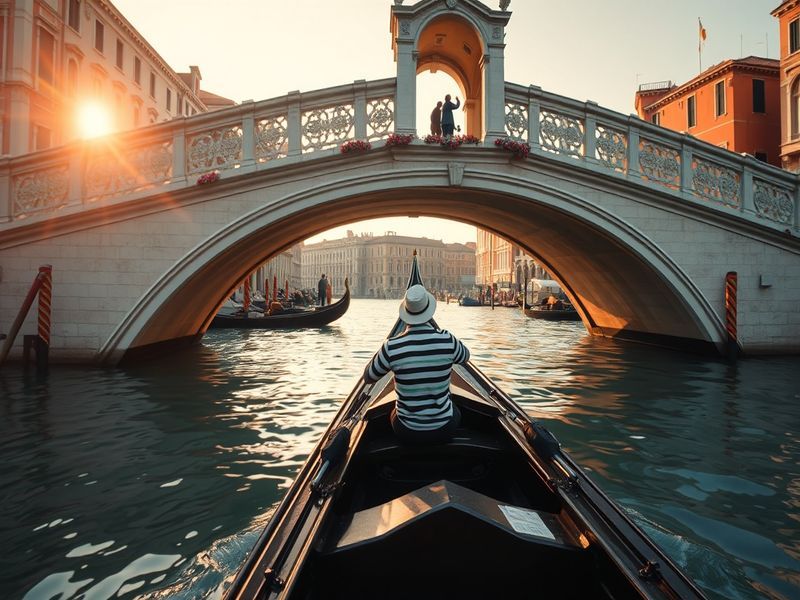
What makes Europe uniquely magnetic is its compact geography. You can stand in the shadow of the Eiffel Tower at breakfast, ride a train through the Swiss Alps by noon, and sip wine in a Venetian canal-side trattoria by dinner. This accessibility fuels an endless cycle of exploration, where every border crossing feels like a new discovery rather than a logistical challenge. The continent’s well-developed rail and road networks, combined with budget airlines and high-speed ferries, make spontaneous itineraries possible in ways unimaginable in larger continents.
Beyond the Tourist Trail: Curated Routes for Authentic Experiences
While cities like Paris, Rome, and Barcelona pulse with energy, some of Europe’s most memorable moments happen off the beaten path. The continent’s true character often reveals itself in smaller towns, regional cuisines, and local traditions that have survived for centuries. Travelers willing to venture beyond the postcard-perfect hotspots gain access to a deeper understanding of European life.
Consider the Alsace region in eastern France, where half-timbered villages like Colmar and Riquewihr feel frozen in time. Or the Azores, Portugal’s volcanic islands in the Atlantic, where crater lakes and hot springs create landscapes that feel extraterrestrial. These places don’t just offer Instagram moments—they invite slow travel, where the journey itself becomes part of the reward.
Europe’s lesser-known routes also offer a counterpoint to overtourism, which has reshaped cities like Venice and Barcelona into theme parks of their former selves. By choosing destinations that receive fewer international visitors, travelers can contribute to more sustainable tourism while enjoying richer, more meaningful encounters. This shift isn’t just about avoiding crowds—it’s about discovering the Europe that locals know and cherish.
A Sample of Europe’s Hidden Gems
- Transylvania, Romania – Beyond Dracula lore, this region boasts medieval towns like Sibiu, painted monasteries in Bucovina, and some of Europe’s last wild forests.
- Istria, Croatia – A Mediterranean escape with Venetian architecture, truffle-rich cuisine, and coastal towns untouched by mass tourism.
- Lapland, Finland – In winter, husky sledding and glass igloos under the Northern Lights; in summer, midnight sun hikes and reindeer herding.
- Trentino, Italy – Alpine valleys where Ladin culture thrives, alongside world-class hiking and wine from terraced vineyards.
- Silesia, Poland – Industrial heritage transformed into creative hubs, with post-mining museums and a thriving underground art scene.
The Practical Side of European Travel: Logistics That Liberate
Traveling in Europe isn’t just about inspiration—it’s about execution. The continent’s infrastructure is legendary, but modern travelers face new challenges, from rising costs to climate-conscious choices. Understanding the logistics can mean the difference between a trip that feels effortless and one that feels exhausting.
Rail travel remains the gold standard, with networks like Germany’s Deutsche Bahn and France’s TGV connecting major cities in hours. For those exploring beyond Western Europe, night trains like the Nightjet offer a scenic and eco-friendly alternative to short-haul flights. Budget airlines such as Ryanair and Wizz Air have democratized air travel, though travelers should be wary of hidden fees and strict baggage policies.
Accommodation options have also evolved. While hostels and chain hotels dominate tourist hubs, alternatives like agriturismi in Italy, guesthouses in the Balkans, and boutique stays in Lisbon’s historic neighborhoods provide more intimate experiences. Platforms like Airbnb have reshaped the market, though their impact on local housing markets remains controversial.
Another key consideration is timing. Europe’s shoulder seasons—April to early June and September to October—offer pleasant weather and fewer crowds. Winter, while cold, reveals a different side of the continent, from Christmas markets in Germany to ski resorts in the Alps. Meanwhile, summer’s long days make it ideal for coastal and island hopping, though prices peak and popular destinations can feel overrun.
The Broader Implications: Tourism’s Double-Edged Sword
Europe’s appeal is undeniable, but its popularity comes with consequences. Cities like Amsterdam and Dubrovnik have implemented visitor taxes and restricted short-term rentals to combat overcrowding. The rise of “overtourism” has led to protests in places like Barcelona, where residents have taken to the streets to demand limits on cruise ships and Airbnb listings.
Yet tourism also sustains economies, especially in rural areas where agriculture and traditional crafts struggle to compete. In places like the Scottish Highlands or the Greek islands, tourism provides livelihoods that might otherwise vanish. The challenge lies in balancing preservation with progress—a task that requires collaboration between travelers, governments, and local communities.
Climate change adds another layer of complexity. The Alps’ glaciers are retreating, Mediterranean heatwaves are becoming more severe, and coastal erosion threatens historic cities like Venice. Travelers must weigh their carbon footprint, especially when considering flights. The rise of “slow travel”—spending more time in fewer places—is one response, as is choosing rail over air for shorter distances.
Why Europe Still Matters
In an era where globalization often homogenizes culture, Europe stands out for its refusal to conform to a single mold. Its diversity is its strength, offering everything from the Nordic minimalism of Copenhagen to the exuberant Baroque of Salzburg. For travelers, this means endless possibilities—whether you’re chasing history, adventure, gastronomy, or simply the joy of getting lost in a charming alleyway.
Europe also serves as a microcosm of global challenges: how to preserve heritage in the face of modernization, how to welcome visitors without erasing local identity, and how to explore responsibly in an age of climate crisis. These questions don’t have easy answers, but they’re worth asking. After all, the best travel doesn’t just change where you go—it changes how you see the world.
For those ready to explore, Europe awaits—not as a checklist of must-see sights, but as a living, breathing continent where every journey is an education. The key is to approach it with curiosity, flexibility, and a willingness to embrace the unexpected.
Ready to plan your trip? Start with Dave’s Locker Travel section for curated guides and tips, or explore our Europe-focused resources for deeper insights into the continent’s hidden corners.