James Bond 007: History, Actors, and Cultural Legacy Explored
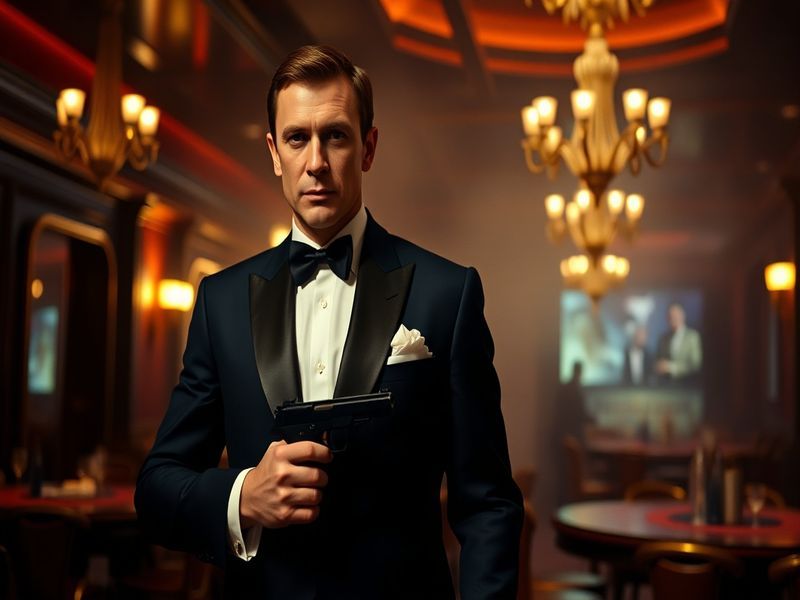
Few characters in popular culture have endured as long or as successfully as James Bond, the suave and sophisticated secret agent known by his code number, 007. Created by British author Ian Fleming in 1953, Bond has become a global icon, transcending literature to dominate film, television, and merchandise. With over six decades of adventures, the character has evolved alongside changing tastes and cultural expectations, yet remains as relevant today as he was in the Cold War era. This is the story of how a fictional spy became one of the most recognizable figures in entertainment history.
The Origins of James Bond: From Page to Screen
Ian Fleming drew inspiration from his own experiences during World War II, where he served in British Naval Intelligence. His first novel, Casino Royale, introduced Bond as a charismatic and resourceful agent equipped with a license to kill. Fleming’s Bond was not yet the polished, gadget-laden figure he would become on screen; instead, he was a more grounded, albeit still privileged, operative operating in a world of espionage and political intrigue.
The transition from page to screen began in 1962 with Dr. No, the first official Bond film starring Sean Connery. This adaptation set the template for decades of cinematic adventures: exotic locations, high-stakes missions, and a charismatic lead who balances danger with effortless charm. Connery’s portrayal defined the character for many, establishing the traits—cool under pressure, impeccable style, and a dry wit—that would become synonymous with Bond.
Over the years, the films have mirrored the cultural and political climates of their time. The Cold War era brought stories of espionage against Soviet adversaries, while later installments explored themes of terrorism, organized crime, and even environmentalism. Each era has redefined Bond to stay relevant, proving the character’s remarkable adaptability.
The Changing Faces of 007: Actors Who Defined a Generation
Since Connery’s debut, six actors have taken on the role of James Bond, each bringing their own interpretation to the character. Their performances reflect not only the evolution of acting styles but also the shifting expectations of audiences worldwide.
- Sean Connery (1962–1967, 1971, 1983) – The original Bond, Connery embodied rugged masculinity and effortless sophistication. His portrayal set the standard for all who followed.
- George Lazenby (1969) – Appearing only once in On Her Majesty’s Secret Service, Lazenby’s brief tenure remains one of the most intriguing in Bond history.
- Roger Moore (1973–1985) – Known for his lighthearted, tongue-in-cheek approach, Moore’s Bond leaned into camp humor, particularly in films like The Spy Who Loved Me and Moonraker.
- Timothy Dalton (1987–1989) – Dalton brought a grittier, more intense take on Bond, aligning with the darker tone of the late 1980s.
- Pierce Brosnan (1995–2002) – Brosnan reintroduced a polished, modern Bond, blending classic charm with action-hero credentials.
- Daniel Craig (2006–2021) – Craig’s Bond was raw, physically imposing, and emotionally complex, redefining the character for a new generation in films like Casino Royale and Skyfall.
Each actor has left an indelible mark on the franchise, proving that Bond is not merely a role but a canvas for reinvention. The casting of Daniel Craig in particular marked a turning point, emphasizing realism over fantasy and grounding the character in emotional depth.
The Cultural Impact of James Bond: More Than Just a Spy
James Bond’s influence extends far beyond cinema. The character has shaped fashion, music, and even language. The term “Bond girl” has become shorthand for a glamorous, often deadly female character in popular media, reflecting both the era’s gender dynamics and evolving representations of women.
The franchise has also been a pioneer in product placement, with Bond films often serving as showcases for luxury brands, automobiles, and technology. Aston Martin’s association with Bond, for example, has become as iconic as the character himself. Similarly, the Bond theme music, composed by Monty Norman and popularized by John Barry, is instantly recognizable and has been reinterpreted across genres and decades.
Yet, Bond is not without controversy. Critics have long debated the franchise’s portrayal of gender, race, and violence. Early films often depicted women as either seductresses or victims, and minority representation was minimal. Recent entries have attempted to address these issues, with Casino Royale and No Time to Die featuring more nuanced female characters and diverse casting.
The cultural footprint of Bond is undeniable. The character has been parodied in films like Austin Powers, referenced in countless TV shows, and even inspired academic analysis on espionage, masculinity, and global politics. Bond is more than a fictional spy; he is a mirror of society’s aspirations, fears, and contradictions.
The Future of 007: What Lies Ahead for the Iconic Spy
With Daniel Craig’s departure after five films and two decades, the franchise has entered a new chapter. The upcoming 007 film, currently in development, will introduce a fresh face to the role. Rumors and reports suggest a younger, more diverse actor may take the helm, reflecting the changing tides of Hollywood and global audiences.
Beyond casting, the future of Bond will likely involve further experimentation with tone and storytelling. The success of No Time to Die, which balanced traditional action with emotional depth, indicates that audiences are open to evolution. The franchise may also explore new formats, such as limited series or interactive media, to keep pace with modern consumption habits.
One thing is certain: James Bond will endure. Whether through nostalgia, reinvention, or sheer force of tradition, 007 remains a symbol of adventure, style, and the enduring appeal of a hero who always gets the job done. As technology and tastes evolve, so too will Bond—proof that some legends are timeless.
For fans eager to revisit the early days of Bond, the original novels remain a compelling read, offering a glimpse into Fleming’s vision before the character became a global phenomenon. Meanwhile, the films continue to inspire new generations, proving that the world of espionage is as boundless as the imagination of its most famous agent.