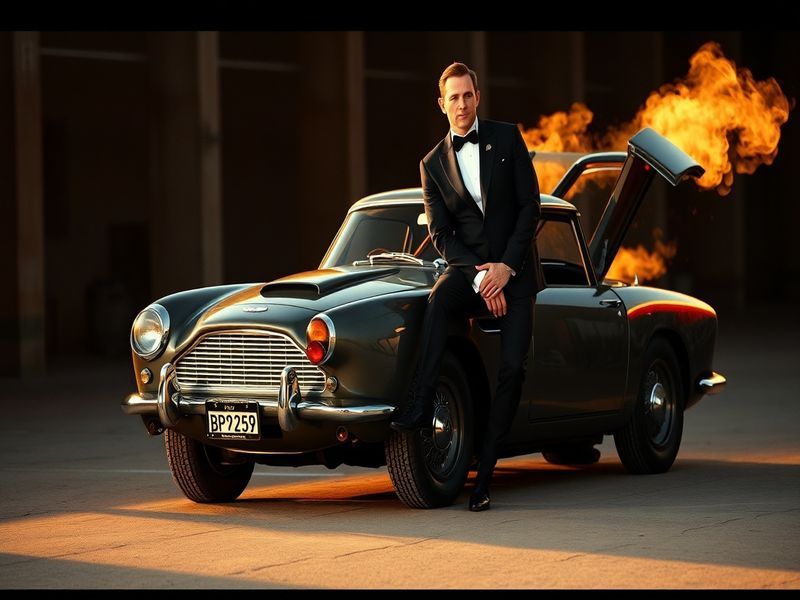
Since his debut in 1953, James Bond 007 has transcended the pages of fiction to become one of the most recognizable and enduring characters in popular culture. Created by British author Ian Fleming, Bond has evolved through novels, films, and adaptations while maintaining a consistent core: a suave, resourceful secret agent with a license to kill. More than just a fictional character, Bond represents a reflection of changing societal values, technological advancements, and global politics.
The character’s journey began with Fleming’s wartime experiences and his fascination with espionage. Fleming, a former naval intelligence officer, drew from his own life to craft a protagonist who embodied both danger and sophistication. Bond’s name was inspired by the American ornithologist James Bond, whose book on birds Fleming kept on his shelf. This seemingly random choice became the foundation of a legacy that would span generations.
The Literary Origins of James Bond
Ian Fleming introduced James Bond in the novel Casino Royale, published in 1953. The book established key elements of the character: his background in naval intelligence, his 00-section designation, and his preference for fine suits and cocktails. Fleming continued to write Bond novels throughout the 1950s and early 1960s, each one blending espionage with personal drama.
Fleming’s Bond was not the invincible super-spy of later adaptations. He was often flawed, vulnerable, and sometimes outmatched by his adversaries. This realism gave the character depth, making him more relatable despite his extraordinary circumstances. After Fleming’s death in 1964, other authors took up the mantle, including Kingsley Amis, John Gardner, and Raymond Benson, each reinterpreting Bond for their respective eras.
The literary Bond has always been a product of his time. In the Cold War era, he battled Soviet agents and communist conspiracies. In later novels, he faced international terrorism and organized crime. This adaptability has allowed Bond to remain relevant across decades, appealing to new generations of readers.
The Cinematic Revolution: Bond on the Big Screen
The transition from page to screen began in 1962 with Dr. No, the first Bond film starring Sean Connery. The movie introduced audiences to the iconic gun barrel sequence, the iconic theme music, and the catchphrase “Bond, James Bond.” Connery’s portrayal set the standard for all future actors in the role, balancing charm, physicality, and menace.
Over the years, Bond has been played by six actors, each bringing a distinct interpretation to the character. Connery’s Bond was rugged and dangerous, while Roger Moore’s version leaned into humor and flamboyance. Timothy Dalton brought a darker, more intense take, and Pierce Brosnan modernized the character for the 1990s. Daniel Craig, who took over in 2006, redefined Bond as a deeply emotional and physically vulnerable figure.
The films have mirrored global changes, from Cold War tensions in The Spy Who Loved Me to post-9/11 geopolitical themes in Casino Royale (2006). Technological advancements have also shaped the series, with Bond’s gadgets evolving from simple wristwatch lasers to AI-assisted mission planning. These adaptations reflect not only the evolution of cinema but also the shifting landscape of espionage itself.
Memorable Bond Moments in Film
- Goldfinger (1964): The first Bond film to win an Academy Award, this movie cemented the series’ formula with iconic scenes like the laser table confrontation and Jill Masterson’s death.
- Live and Let Die (1973): A rare foray into blaxploitation territory, this film featured Roger Moore’s Bond in a racially charged and culturally significant narrative.
- GoldenEye (1995): The debut of Pierce Brosnan introduced a new generation of fans to Bond, with the film’s action sequences and villainous AI setting a modern standard.
- Skyfall (2012): A meta-commentary on Bond’s legacy, this film explored themes of aging, identity, and the relevance of espionage in the digital age.
Bond’s Cultural Impact and Legacy
James Bond’s influence extends far beyond literature and film. The character has inspired countless parodies, homages, and tributes, from the Austin Powers series to the satirical Johnny English films. Bond’s aesthetic—tailored suits, martinis, and signature weapons—has become a global shorthand for sophistication and danger.
Fashion has particularly embraced Bond’s style. Designers like Tom Ford and Brioni have created suits for Craig’s Bond, reinforcing the character’s association with luxury and power dressing. Even the Aston Martin brand, long linked to Bond, has seen a resurgence in popularity thanks to its appearances in the films.
Bond has also sparked discussions about gender and representation. Early films often objectified female characters, but recent entries have attempted to modernize the franchise. Skyfall and Spectre introduced more complex female roles, including Moneypenny and Madeleine Swann, who are far more than just Bond’s love interests.
The Future of James Bond
As the franchise looks ahead, it faces both challenges and opportunities. The departure of Daniel Craig has left a significant void, with rumors swirling about potential successors. Names like Idris Elba, Tom Hardy, and Aaron Taylor-Johnson have been floated, each bringing different strengths to the role.
One challenge is balancing tradition with innovation. The Bond formula—gadgets, exotic locations, and globe-trotting adventures—has remained largely intact for decades. Yet audiences today demand greater diversity, realism, and emotional depth. The next Bond film will need to address these expectations while honoring the legacy of the character.
Technological changes also pose questions for the franchise. In an era of cyber espionage and drone warfare, traditional spycraft feels increasingly outdated. The next Bond may need to adapt, incorporating themes of digital surveillance and artificial intelligence into his missions.
Despite these challenges, the James Bond franchise remains a cultural institution. Its ability to reinvent itself while maintaining its core identity is a testament to the enduring appeal of the character. Whether through new films, literary adaptations, or multimedia expansions, Bond will likely continue to captivate audiences for generations to come.
For those looking to explore more about the world of espionage and adventure, Dave’s Locker’s Entertainment section features reviews and analyses of action films and iconic characters. Alternatively, the Culture category offers deeper insights into how fictional characters shape and reflect societal trends.
Conclusion
James Bond 007 is more than just a fictional spy; he is a cultural touchstone that has evolved alongside the world itself. From his literary origins in Ian Fleming’s novels to his cinematic reinventions, Bond has adapted to changing times while maintaining his core appeal. His influence on fashion, technology, and popular culture is undeniable, and his legacy shows no signs of fading.
The next chapter of Bond’s journey will be defined by the choices made by future filmmakers, writers, and actors. Will they preserve the character’s traditional elements or push him into uncharted territory? One thing is certain: James Bond will continue to be a symbol of adventure, style, and intrigue for decades to come.