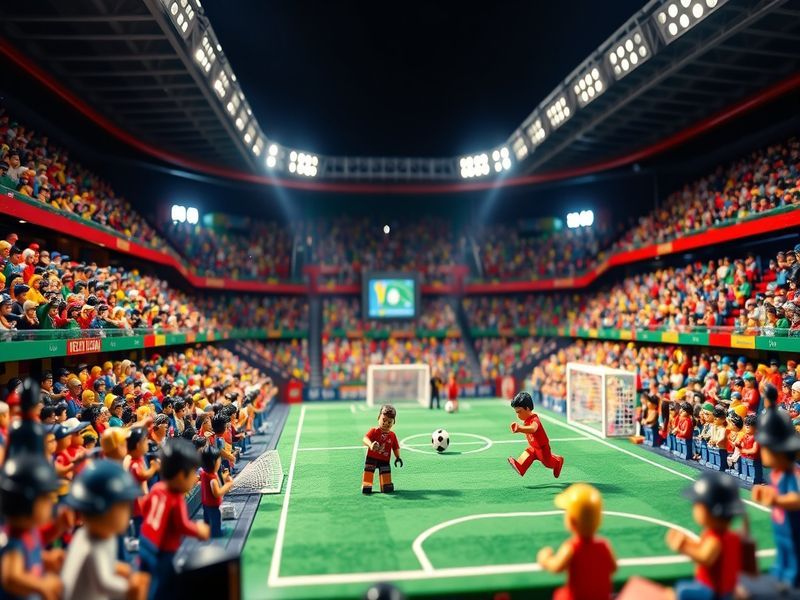
The LEGO World Cup: When Bricks Meet the Beautiful Game
Every four years, the world turns its attention to a spectacle unlike any other. It’s not the Olympics, the FIFA World Cup, or even the Super Bowl. Instead, it’s a celebration of creativity, precision, and sheer imagination—all built with plastic bricks. The LEGO World Cup is a unique event where fans, builders, and competitors come together to reimagine the global phenomenon of soccer through the lens of LEGO. This isn’t just child’s play; it’s a global cultural moment where artistry and fandom collide.
The event emerged from the growing intersection of sports and pop culture, reflecting broader trends in fan engagement. LEGO, a brand synonymous with creativity, found a natural ally in soccer, a sport that unites billions across continents. The LEGO World Cup taps into this synergy, offering a fresh way to experience the passion of the game. It’s a testament to how LEGO has evolved from a simple construction toy into a medium for storytelling, competition, and community.
How the LEGO World Cup Brings the Game to Life in Bricks
The LEGL World Cup isn’t an official FIFA-sanctioned event, but that hasn’t stopped it from gaining a devoted following. Organized by LEGO fans and communities worldwide, the competition invites builders of all ages to create their own soccer-themed dioramas, stadiums, and even entire leagues using LEGO bricks. The rules are simple: use LEGO to depict soccer in any form, from iconic moments to futuristic stadiums. The only limit is the builder’s imagination.
Participants often submit their creations online, where they’re judged by panels of LEGO experts and soccer enthusiasts. Categories range from “Best Stadium Design” to “Most Creative Use of LEGO Soccer Minifigures.” The event has grown exponentially since its inception, with entries pouring in from countries as diverse as Brazil, Japan, Germany, and the United States. In 2023, the competition saw over 2,000 submissions, a record that highlights its expanding global reach.
One of the most compelling aspects of the LEGO World Cup is its ability to bridge generational gaps. Parents who grew up with LEGO in the 1980s are now building alongside their children, reminiscing about classic LEGO soccer sets while creating new ones. The event also attracts professional LEGO artists and AFOLs (Adult Fans of LEGO), whose intricate designs push the boundaries of what’s possible with the bricks. For many, it’s a chance to merge two passions—LEGO and soccer—into a single, tangible creation.
A Global Phenomenon with Local Flavors
The LEGO World Cup is more than just a competition; it’s a reflection of soccer’s global identity. Each region brings its own cultural flair to the event, from the vibrant colors of Brazilian carnival-themed stadiums to the minimalist, futuristic designs favored by European builders. In Japan, for example, LEGO soccer creations often incorporate elements of anime and manga, blending two iconic Japanese art forms. Meanwhile, African builders frequently incorporate traditional patterns and symbols into their designs, celebrating the continent’s rich soccer heritage.
This cultural diversity is part of what makes the LEGO World Cup so special. It’s a platform where local traditions and global trends intersect, creating a tapestry of creativity that spans the world. The event also highlights how soccer transcends borders, uniting people through a shared love of the game. Whether it’s a replica of Maracanã Stadium or a whimsical depiction of a fantasy soccer league, the LEGO World Cup captures the essence of soccer’s universal appeal.
In some countries, the LEGO World Cup has become a cultural staple. In Brazil, for instance, LEGO soccer workshops are held in schools and community centers, teaching children about both the art of building and the history of Brazilian soccer. In Germany, LEGO clubs host annual “Brick Cup” competitions, drawing hundreds of participants. These local initiatives not only foster creativity but also strengthen community bonds, proving that the LEGO World Cup is as much about connection as it is about competition.
The Role of Technology and Social Media in Amplifying the LEGO World Cup
The rise of the LEGO World Cup is inextricably linked to the digital age. Social media platforms like Instagram, TikTok, and YouTube have played a pivotal role in its growth, allowing builders to share their creations with a global audience. Hashtags like #LEGOWorldCup and #BrickSoccer have amassed millions of views, turning the competition into a viral sensation. Platforms like LEGO’s own official website also feature highlights from the event, further amplifying its reach.
Technology has also transformed the judging process. In the past, entries were evaluated solely through static photos. Today, many participants submit videos or interactive 3D models, providing judges with a more immersive experience. Some builders even use stop-motion animation to bring their LEGO soccer scenes to life, adding a cinematic quality to their submissions. This blend of traditional craftsmanship and modern technology underscores the adaptability of the LEGO World Cup in an increasingly digital world.
The event’s online presence has also fostered a sense of global community. Builders from different countries collaborate on projects, share tips, and cheer each other on, regardless of geographical boundaries. Online forums and Facebook groups dedicated to the LEGO World Cup serve as hubs for discussion, where enthusiasts debate design techniques and celebrate each other’s work. This digital camaraderie mirrors the spirit of soccer fandom, where fans from different corners of the globe unite under a shared passion.
Why the LEGO World Cup Matters Beyond the Bricks
At its core, the LEGO World Cup is about more than just building with bricks. It’s a celebration of creativity, teamwork, and the joy of fandom. In a world often divided by politics, economics, and cultural differences, the LEGO World Cup offers a reminder of what unites us: the love of soccer and the thrill of creation. It’s a testament to the power of play, proving that even the most serious of hobbies can be approached with imagination and fun.
The event also highlights the evolving role of LEGO as a cultural force. Once dismissed as a mere toy, LEGO has grown into a medium for art, education, and even professional development. The LEGO World Cup exemplifies this evolution, showcasing how a simple brick can inspire innovation and connection. For educators, it’s a tool for teaching STEM concepts, problem-solving, and collaboration. For artists, it’s a medium for expression. And for soccer fans, it’s a new way to engage with the game they love.
Looking ahead, the LEGO World Cup shows no signs of slowing down. As LEGO continues to expand its product lines and fan communities grow, the event will likely evolve into new formats, perhaps even incorporating virtual reality or augmented reality. One thing is certain: the fusion of soccer and LEGO is here to stay, and the LEGO World Cup will remain a beloved tradition for fans of all ages.
How to Get Involved in the LEGO World Cup
Whether you’re a seasoned LEGO builder or a soccer fan looking to try something new, the LEGO World Cup offers an accessible and rewarding experience. Here’s how you can get involved:
- Start small: Begin with a single LEGO soccer set or a simple diorama of your favorite soccer moment. The key is to have fun and let your creativity flow.
- Join a community: Connect with other builders through online forums, Facebook groups, or local LEGO clubs. Sharing ideas and receiving feedback can inspire your next project.
- Enter a competition: Many local and online LEGO competitions accept soccer-themed entries. Check out platforms like LEGO’s official competitions page for opportunities.
- Attend an event: LEGO conventions and soccer fan gatherings often feature LEGO World Cup-style competitions. These events are a great way to meet like-minded builders and immerse yourself in the community.
- Share your work: Post your creations on social media with relevant hashtags. You never know who might see your work and offer encouragement or even collaboration opportunities.
For those new to LEGO, the sports category on Dave’s Locker offers a wealth of resources, from beginner guides to advanced building techniques. Whether you’re building a stadium, a soccer player, or an entire league, the possibilities are endless.
The LEGO World Cup is more than just a competition; it’s a celebration of the joy of creation and the universal love of soccer. As the event continues to grow, it will undoubtedly inspire new generations of builders and fans, proving that the world’s most beautiful game can be built, one brick at a time.