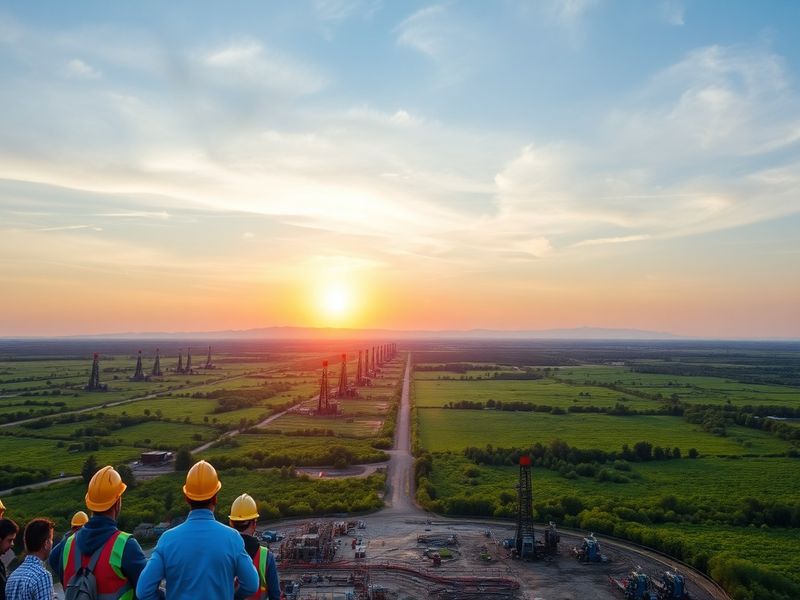
Understanding Continental Resources: A Global Energy Perspective
Continental Resources stands as a pivotal player in the global energy sector, particularly in the extraction and development of oil and natural gas. Founded in 1967 by geologist Harold Hamm, the company has grown from modest beginnings into one of the largest independent oil producers in the United States. Its operations extend beyond domestic borders, influencing energy markets and shaping the geopolitical landscape of resource-rich regions.
The company’s name is synonymous with the energy industry’s evolution over the past half-century. Continental Resources’ expertise lies in the exploration and production of hydrocarbons, with a strong focus on shale formations such as the Bakken in North Dakota and the SCOOP/STACK plays in Oklahoma. These regions have transformed the U.S. into a net exporter of oil, challenging traditional energy powerhouses and redefining global supply chains.
The Role of Continental Resources in Shale Revolution
Continental Resources played a foundational role in the shale revolution, a technological and industrial breakthrough that unlocked vast reserves of previously inaccessible oil and gas. The company’s early investments in horizontal drilling and hydraulic fracturing techniques positioned it at the forefront of this transformation. By 2010, Continental Resources had become a leader in the Bakken Formation, one of the most productive shale plays in the world.
The Bakken Formation spans North Dakota, Montana, and parts of Canada, covering approximately 200,000 square miles. Continental Resources’ operations here have contributed significantly to the region’s economic growth, creating thousands of jobs and generating billions in tax revenue. The company’s success in the Bakken also demonstrated the potential of shale resources to reshape energy independence for nations rich in these deposits.
Continental Resources’ influence extends to Oklahoma’s SCOOP and STACK plays, where it has leveraged advanced seismic imaging and drilling technologies to maximize efficiency. These plays are characterized by stacked hydrocarbon-bearing formations, allowing for multiple wells to be drilled from a single pad. This approach reduces environmental impact while increasing production rates—a model now adopted by operators worldwide.
Global Impact and Geopolitical Influence
The company’s operations are not confined to the U.S. Continental Resources has explored opportunities in international markets, including Argentina’s Vaca Muerta formation and parts of the Middle East. While its primary focus remains domestic, the strategies it employs reflect broader trends in the global energy sector, where shale and unconventional resources are becoming increasingly critical.
Continental Resources’ impact on global energy markets is evident in the shifting dynamics of oil supply. The U.S. shale boom, driven in part by companies like Continental Resources, has disrupted traditional OPEC dominance and contributed to price volatility. This shift has forced energy-dependent nations to reassess their strategies, balancing domestic production with geopolitical alliances.
In regions like Latin America, Continental Resources’ expertise offers a potential pathway for countries seeking to develop their own shale resources. Argentina’s Vaca Muerta, for example, is one of the world’s largest shale gas reserves. While political and economic challenges persist, the technical know-how of companies like Continental Resources could unlock significant value for the country’s energy sector.
Sustainability and the Future of Continental Resources
As the world transitions toward cleaner energy sources, Continental Resources faces the challenge of balancing production growth with environmental responsibility. The company has taken steps to reduce its carbon footprint, including investments in carbon capture technologies and methane reduction programs. These efforts align with global climate goals while ensuring the company remains competitive in an evolving market.
Continental Resources has also committed to reducing flaring and venting of natural gas, a byproduct of oil production. By capturing and selling this gas, the company not only minimizes waste but also generates additional revenue. These initiatives reflect a broader industry trend toward sustainability, driven by investor demands and regulatory pressures.
The company’s future may also hinge on its ability to adapt to renewable energy trends. While oil and gas remain core to its business, Continental Resources has explored investments in wind and solar projects. These ventures diversify its portfolio and position the company to capitalize on the growing demand for clean energy solutions.
Challenges and Opportunities Ahead
Continental Resources operates in a complex and often unpredictable industry. Fluctuating oil prices, geopolitical tensions, and regulatory changes pose significant challenges. The COVID-19 pandemic, for instance, caused a sharp decline in global oil demand, forcing companies to cut production and reassess their strategies. Continental Resources weathered the storm by focusing on operational efficiency and cost reduction.
Despite these challenges, the company remains well-positioned for future growth. The global energy transition presents both risks and opportunities. As countries seek to balance economic development with climate goals, Continental Resources’ expertise in unconventional resources could prove invaluable. The company’s ability to innovate and adapt will determine its long-term success.
The following are key factors that will shape Continental Resources’ trajectory:
- Technological Advancements: Continued innovation in drilling and extraction technologies will enhance efficiency and reduce costs.
- Regulatory Environment: Stricter environmental regulations may require additional investments but could also open new markets for clean energy technologies.
- Global Energy Demand: Rising demand in emerging markets could drive production growth, while a shift toward renewables may impact long-term oil prices.
- Geopolitical Stability: Political tensions in key regions could disrupt supply chains and affect Continental Resources’ international operations.
Conclusion: A Legacy of Innovation and Adaptation
Continental Resources’ journey from a small Oklahoma-based company to a global energy leader is a testament to innovation and resilience. Its contributions to the shale revolution have reshaped energy markets, while its commitment to sustainability reflects the evolving priorities of the industry. As the world navigates the complexities of energy transition, Continental Resources stands poised to play a critical role in shaping the future of global energy.
The company’s ability to adapt to changing market conditions, embrace technological advancements, and balance production growth with environmental responsibility will determine its legacy. For stakeholders in the energy sector, Continental Resources serves as both a model and a cautionary tale—a reminder that success in this industry requires agility, foresight, and a willingness to evolve.
As nations grapple with the dual challenges of energy security and climate change, the strategies employed by companies like Continental Resources will remain central to the conversation. Whether through shale innovation, renewable energy investments, or sustainable practices, the company’s legacy is far from complete. Its next chapter may well redefine what it means to be an energy leader in the 21st century.