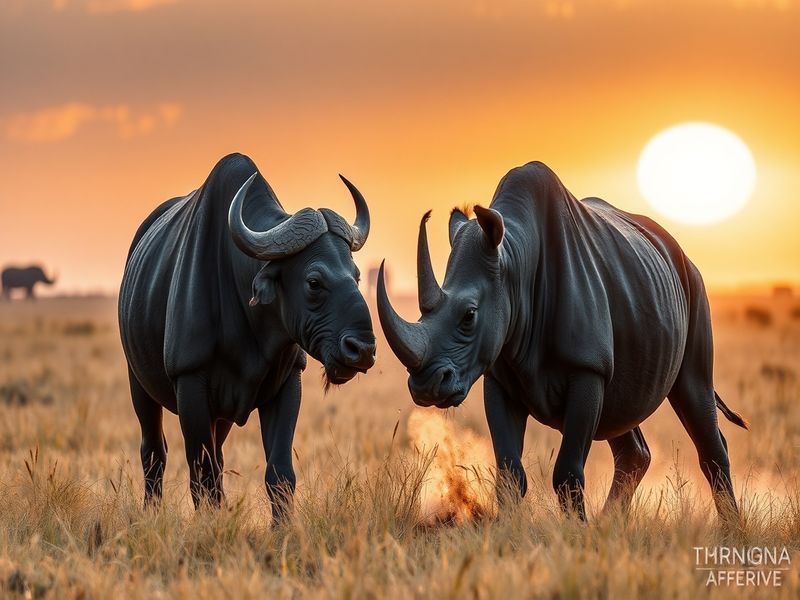
Bulls and Rhinos: Power, Symbolism, and Global Encounters
The clash between bulls and rhinos has long captivated human imagination, transcending mere animal conflict to embody cultural narratives of strength, survival, and symbolism. These two animals—each embodying raw power—have been mythologized, hunted, and revered across continents. Yet their real-life encounters reveal far more than just physical confrontation. From the bullfighting rings of Spain to the savannas of Africa, their stories intersect with human history, art, and conservation in ways that continue to shape global perspectives.
To understand this dynamic, we must look beyond the arena and the wild, examining how these animals have been woven into the fabric of societies. Bulls, with their muscular build and relentless charge, often symbolize virility and dominance in Western traditions. Rhinos, on the other hand, carry the weight of ancient legends and modern conservation crises. Their contrast is not just biological but deeply cultural, making their rivalry a lens through which we can explore human values and conflicts.
The Cultural Weight of Bulls in Human History
Bulls have occupied a central place in human mythology for millennia. In ancient Mesopotamia, the bull was associated with the storm god Adad, representing both destructive force and life-giving rain. The Greeks later elevated the bull to mythic status through the legend of the Minotaur—a half-man, half-bull creature that embodied chaos and the untamed wilderness. These stories were not mere entertainments; they reflected societal fears and fascinations with raw power.
The bull’s role in European culture reached its peak in the sport of bullfighting, a tradition that dates back to ancient Rome and was formalized in 18th-century Spain. The spectacle, now controversial, is less about the animal’s aggression than about human ritual and control. The matador’s dance with the bull is a choreographed negotiation between life and death, where the animal’s strength is both admired and subdued. Spain’s cultural identity has long been intertwined with this tradition, though modern debates increasingly question its ethics.
Beyond Europe, bulls hold sacred significance in Hinduism. The Nandi bull serves as the mount of Shiva, one of the principal deities in the Hindu pantheon. Temples across India feature stone or bronze Nandi statues, often positioned facing the inner sanctum as a symbol of unwavering devotion and strength. In this context, the bull is not a foe but a revered companion, illustrating how the same animal can carry vastly different meanings depending on cultural context.
Rhinos: Ancient Survivors and Modern Icons
Rhinos, with their prehistoric appearance and thick hides, evoke a sense of timeless endurance. Fossil records suggest rhinos have roamed the Earth for over 50 million years, outlasting dinosaurs and adapting to radical environmental changes. Yet today, their survival is threatened as never before. Poaching for their horns—falsely believed in some cultures to possess medicinal powers—has driven all five rhino species to the brink of extinction.
The rhino’s cultural footprint is equally profound. In African folklore, the black rhino is often depicted as a solitary guardian of the wild, its unpredictable nature making it both feared and respected. South African Zulu traditions speak of the iMpofu, a rhino-like creature that tests the courage of warriors. Meanwhile, in Southeast Asia, the Javan rhino is so rare—fewer than 80 remain—that it has become a symbol of conservation urgency worldwide.
Unlike bulls, which have been domesticated and ritualized, rhinos remain largely wild, their survival tied to the health of ecosystems like the grasslands of the Serengeti or the dense jungles of Sumatra. Their decline is not just an ecological crisis but a cultural one, signaling the loss of a species that has shaped human imagination for centuries.
When the Two Worlds Collide: Real-Life Encounters
While bulls and rhinos rarely meet in the wild—given their distinct habitats—there are documented cases of their interactions, often in captivity or during conservation efforts. These encounters reveal surprising behaviors. Bulls, accustomed to dominance hierarchies, may initially charge at a rhino, mistaking it for a rival. Rhinos, however, are not passive participants. With a top speed of 30 mph and a horn that can grow up to five feet long, they are formidable opponents.
In a 2018 incident at a South African game reserve, a white rhino charged a bull elephant—an encounter that ended with the rhino’s horn impaling the elephant’s trunk. While not a bull-rhino fight, the incident highlighted the rhino’s unpredictable aggression when threatened. Similarly, in European zoos, keepers have observed bulls retreating from rhino charges, suggesting the latter’s dominance in confrontations.
These rare interactions remind us that the rivalry between bulls and rhinos is not just symbolic but biological. Both are apex herbivores, evolved to defend territory and mates. Their clashes, though uncommon, underscore a broader truth: nature does not always conform to human narratives. The strongest animal is not always the one mythologized in stories.
The Conservation Crossroads: Can Both Species Survive?
The survival of bulls and rhinos is now tied to human choices. For bulls, the greatest threat is not nature but human tradition. Bullfighting faces growing opposition, with countries like Catalonia banning the sport in 2010 and public opinion shifting toward animal welfare. Meanwhile, industrial farming has led to the near-extinction of wild bull species like the European bison, once widespread across the continent.
Rhinos, however, confront an existential crisis. Between 2008 and 2021, over 10,000 African rhinos were poached for their horns, which are smuggled primarily to Asia despite a global ban on trade. Conservation efforts have turned to innovative solutions: horn dehorning, drone surveillance, and even the creation of “rhino orphanages” to rescue calves left vulnerable after their mothers are killed. Yet these measures are stopgaps. The real solution lies in changing demand—convincing consumers that rhino horn has no medicinal value and promoting sustainable alternatives.
Here’s a snapshot of the current status of both species:
- Bulls: Domesticated species like cattle are thriving due to agriculture, but wild relatives such as the European bison are endangered.
- Rhinos: The black rhino is critically endangered, with only about 6,500 left. The Javan rhino is the rarest, with fewer than 80 individuals.
- Threats: Habitat loss, poaching, and human-wildlife conflict are the primary dangers for both species.
The irony is that both bulls and rhinos have been shaped by human hands—one through domestication and ritual, the other through exploitation and neglect. Their futures depend on whether humans can move beyond myth and utility to see these animals as integral parts of global biodiversity.
A Shared Legacy and a Call to Action
The rivalry between bulls and rhinos is less about actual combat and more about the stories we tell. Bulls represent the domestication of nature, the taming of wild forces for human purposes. Rhinos embody the untamed, the ancient, the resilient. Yet both are now caught in the crossfire of human progress—one revered, the other ravaged.
As we reconsider our relationship with these animals, we must ask: What do we value more—the spectacle of strength or the preservation of life? The answer will determine whether bulls and rhinos remain living symbols or fade into the annals of history. Conservationists and cultural critics alike agree that protecting these species is not just about saving animals; it’s about preserving the stories that define us.
For those inspired to take action, supporting organizations like World Wildlife Fund or advocating for ethical tourism can make a difference. The fate of bulls and rhinos is not sealed. It is still being written—and it is up to us to decide which version of their story will endure.