TSA Clear Bag Rule: When April Fools’ Went Too Far
“`html
When the TSA Clear Bag Rule Became an April Fools’ Day Prank
Every year, travelers brace for the familiar ritual of removing laptops and liquids from their carry-ons. But in 2024, a viral April Fools’ Day prank suggested the TSA would expand its controversial clear bag policy to all carry-on luggage—sparking confusion, memes, and a wave of panic among frequent flyers.
The Origin of the TSA Clear Bag Policy
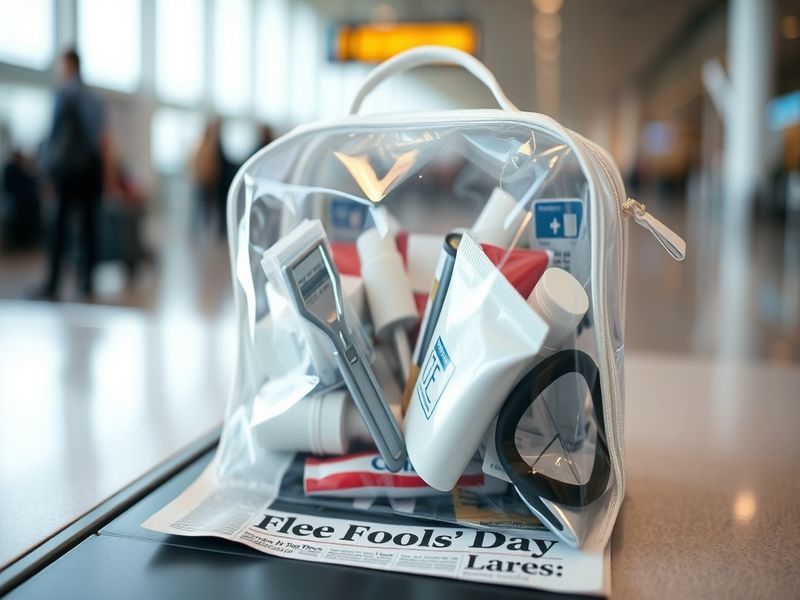
The Transportation Security Administration first introduced the 1-quart clear plastic bag rule in 2006 as part of its liquid restrictions. Originally designed to improve security by allowing agents to visually inspect containers, the rule has long been a source of frustration for travelers. Liquids must be 3.4 ounces or smaller, and all containers must fit comfortably within a single clear quart-sized bag.
Over the years, the policy has inspired countless jokes and coping mechanisms. Travelers have shared hacks like using clear packing cubes or wearing their bulkiest toiletries on the plane. But no one expected the rule to become the centerpiece of an elaborate April Fools’ Day hoax.
Why the Rule Exists
The clear bag rule was implemented following the 2006 transatlantic aircraft plot, where terrorists planned to detonate liquid explosives disguised as beverages. By restricting liquids to small, transparent containers, the TSA aimed to reduce the risk of concealed threats. Despite its security benefits, the rule has remained one of the most universally disliked aspects of air travel.
Critics argue the policy is outdated, inconvenient, and ineffective against modern threats. Yet, the TSA has shown no signs of relaxing the rule—until April 1, 2024, it seemed.
The Viral April Fools’ Prank That Fooled Thousands
On the morning of April 1, 2024, a tweet from a parody TSA account claimed the agency would expand the clear bag policy to all carry-on luggage starting April 15. The tweet included a fabricated statement from an unnamed TSA spokesperson: “In response to evolving security threats, we are implementing a temporary pilot program to enhance passenger safety.” It went on to describe how all carry-ons would need to be clear, allowing agents to “better identify prohibited items.”
Within hours, the tweet spread like wildfire. Travelers took to social media to express their outrage, while others scrambled to find clear suitcases. Airlines reported a surge in calls from confused customers, and the TSA’s actual Twitter account was flooded with inquiries. The parody account’s follower count skyrocketed as people mistook it for an official source.
How the Prank Unfolded
The hoax gained momentum when several travel influencers shared the news in their stories, assuming it was real. A viral TikTok video showed a traveler attempting to fit a standard backpack into a clear plastic bag, leading to laughter and groans. Memes flooded Instagram, with one user photoshopping a transparent airplane mid-flight. By noon, the hashtag #TSAClearBagChallenge was trending worldwide.
Even mainstream news outlets picked up the story before realizing it was a prank. A segment on a major cable news channel aired a segment titled “TSA’s Bold New Security Measure Raises Concerns,” only to issue a correction minutes later. The chaos highlighted how quickly misinformation can spread in the digital age, especially when it taps into a shared frustration.
The TSA eventually clarified the situation, tweeting: “No, we are not requiring all carry-ons to be clear. April Fools!” The relief was palpable, but the damage was already done for some. A few travelers had already begun returning non-clear bags to stores, while others vowed to never trust an April 1 tweet again.
The Broader Impact of the Prank
The April Fools’ Day prank didn’t just cause temporary confusion—it exposed deeper frustrations with air travel and government policies. The clear bag rule, though well-intentioned, has become a symbol of the bureaucratic hurdles travelers face. The prank amplified these feelings, turning a mundane policy into a lightning rod for outrage.
For frequent flyers, the prank was a reminder of how little control they have over their travel experience. Airlines and airports already dictate everything from baggage fees to seating arrangements, and the TSA’s rules add another layer of unpredictability. The viral hoax tapped into this powerlessness, giving travelers a momentary outlet to vent their frustrations.
Lessons for Travelers and Authorities
For travelers, the episode served as a cautionary tale about verifying sources before sharing news. It also highlighted the importance of travel insurance, which could cover last-minute changes due to misinformation. For the TSA, the prank underscored the need for clearer communication—especially when addressing controversial policies.
Interestingly, the hoax also sparked a conversation about the future of air travel security. Could technology eventually replace the clear bag rule? Some experts suggest biometric screening and AI-powered scanners could make physical restrictions obsolete. Until then, travelers will continue to groan at the sight of a quart-sized plastic bag.
How to Prepare for Travel Without Falling for Hoaxes
Travelers can avoid future pranks by sticking to official sources for information. The TSA’s website and verified social media accounts are the best places to check for rule changes. For those who want to stay ahead of the game, subscribing to travel advisories from the TSA or organizations like the International Air Transport Association (IATA) can help.
Here are a few tips to keep in mind when flying:
- Double-check policies: Rules can change, but they’re always announced through official channels first.
- Pack smart: Use a clear quart-sized bag for liquids, but don’t rely on it for everything. Keep essentials like medications and snacks in an easy-to-access pocket.
- Verify sources: If a tweet or post seems too outrageous to be true, it probably is. Look for corroborating information from reputable news outlets.
- Prepare for delays: Whether it’s a prank or a real policy change, always give yourself extra time at the airport.
The April Fools’ Day prank may have been a joke, but it highlighted real frustrations in the travel industry. Until technology catches up with travelers’ frustrations, the clear bag rule will remain a staple of the flying experience—and a prime target for future pranks.