Stallion: Biology, History, and Global Cultural Impact Explored
The stallion represents more than just a horse—it embodies strength, nobility, and cultural significance across civilizations. Unlike mares or geldings, stallions are defined by their uncastrated status, which shapes their behavior, role in society, and symbolic weight. From ancient battlefields to modern equestrian sports, these animals have left an indelible mark on human history and continue to influence economies, sports, and even popular culture today.
Globally, the perception of stallions varies. In some cultures, they are revered as symbols of power and virility, while in others, they are prized for their performance in competitive sports. Their presence in mythology, art, and literature further cements their place in the human imagination. Understanding the stallion requires examining its biological traits, historical roles, and contemporary relevance.
The Biological and Behavioral Traits of Stallions
Stallions differ from other horses primarily due to their reproductive capability. Their hormonal makeup drives distinct behaviors, including territoriality, assertiveness, and heightened energy levels. These traits, while advantageous in wild herds, require careful management in domesticated settings. A stallion’s dominance hierarchy within a group is often established through displays of strength rather than outright aggression.
Physically, stallions are typically larger and more muscular than mares, with broader chests and more pronounced necks. Their coat colors and markings also play a role in selective breeding, as certain breeds prioritize specific aesthetic traits. For example, the Andalusian stallion is celebrated for its elegance, while the Clydesdale stallion is admired for its imposing stature and strength.
Breeding stallions undergo rigorous evaluation to ensure they pass on desirable traits. Stud farms invest significant resources in maintaining bloodlines, often traveling stallions across continents to mate with mares of elite pedigrees. This global exchange has led to the proliferation of hybrid breeds, blending the best qualities of different lineages.
Key Traits of Stallions
- Physical attributes: Larger size, muscular build, pronounced secondary sex characteristics
- Behavioral tendencies: Territorial, assertive, high energy, hierarchical within groups
- Reproductive role: Primary sires in breeding programs, influencing bloodlines globally
- Training challenges: Requires experienced handlers due to strength and temperament
A Historical Perspective: Stallions in Warfare and Culture
Throughout history, stallions have been instrumental in shaping the outcomes of wars and the development of empires. Their speed, endurance, and strength made them the preferred mounts for cavalry units, from the Mongol horsemen of the 13th century to the European knights of the Middle Ages. The Andalusian stallion, for instance, became synonymous with Spanish conquests, prized for its agility and spirit.
In Eastern cultures, stallions held symbolic significance beyond their military utility. The Chinese revered the “celestial horse” as a divine messenger, while in Persian mythology, stallions were associated with royalty and heroism. The famous Nisean stallion, bred by the ancient Persians, was considered one of the most valuable gifts a ruler could bestow.
Art and literature have immortalized stallions as emblems of freedom and nobility. The Trojan Horse, though a fictional construct, underscores the cultural fascination with these animals. Similarly, Shakespeare’s Henry V features the king’s stallion, highlighting the bond between warrior and mount. These narratives reflect humanity’s enduring admiration for the stallion’s power and grace.
The Modern Stallion: Sports, Economics, and Conservation
Today, stallions dominate the world of competitive equestrian sports, particularly in disciplines like dressage, show jumping, and rodeo. The stallion’s natural athleticism and competitive drive make it a favorite among riders seeking top-tier performance. Breeds such as the Hanoverian and Dutch Warmblood are highly sought after in international competitions, often fetching millions at stud auctions.
Economically, stallions represent a significant investment. The global equine industry, valued at over $100 billion, relies heavily on breeding programs centered around stallions. High-profile stallions like American Pharoah, the first Triple Crown winner in 37 years, can command stud fees exceeding $200,000 per breeding. This financial incentive drives innovation in veterinary science, nutrition, and training techniques.
However, the stallion’s role extends beyond sport. Conservation efforts prioritize preserving rare and endangered breeds, many of which rely on stallions to maintain genetic diversity. Organizations like the Rare Breeds Survival Trust in the UK work to protect native stallion lines from extinction. Meanwhile, in developing nations, stallions remain vital to agricultural labor, transportation, and cultural ceremonies.
Stallions in the Global Equestrian Industry
- Competitive sports: Dominate disciplines like dressage, show jumping, and rodeo
- Breeding programs: High stud fees drive global trade in elite bloodlines
- Conservation: Critical to preserving genetic diversity in endangered breeds
- Cultural ceremonies: Integral to traditions in regions like Mongolia and Arabia
Symbolism and Controversy: The Stallion’s Place in Society
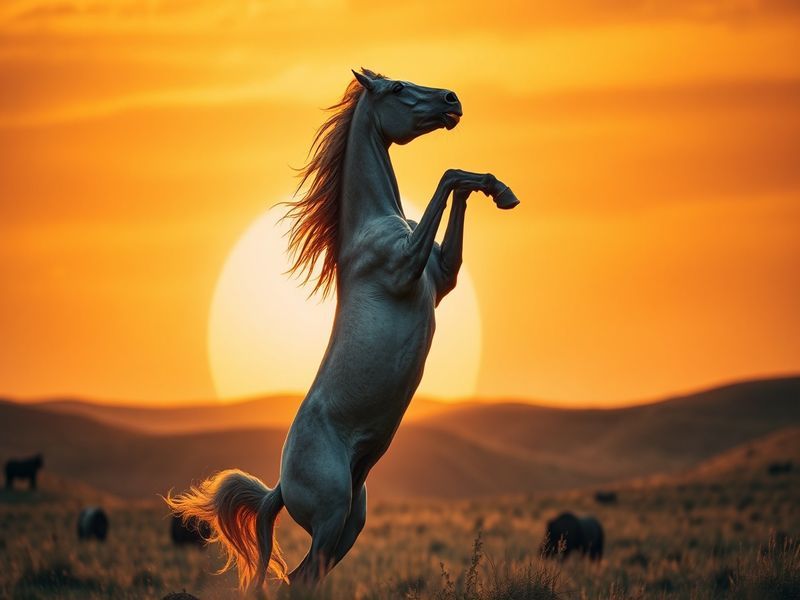
The stallion’s symbolism is complex, often reflecting societal attitudes toward masculinity, power, and control. In Western cultures, stallions are frequently associated with untamed wildness, as epitomized by the mustang of the American West. This imagery contrasts with the domesticated stallion, which is often portrayed as a disciplined athlete in equestrian sports.
Controversies also surround stallions, particularly in the context of animal welfare. Critics argue that the high-pressure breeding industry exploits stallions, subjecting them to rigorous training and frequent transportation. Ethical concerns have led to calls for stricter regulations on stallion welfare, including limits on stud fees and improved living conditions.
In literature and film, the stallion often serves as a metaphor for freedom and rebellion. Works like Black Beauty critique the treatment of horses, while films like The Man from Snowy River glorify the stallion’s wild spirit. These narratives highlight the tension between the stallion’s symbolic power and its treatment as a commodity.
Ultimately, the stallion’s legacy is one of duality—both revered and contested, celebrated and scrutinized. Its role in human history underscores the deep connection between animals and culture, a relationship that continues to evolve in the modern world.
Conclusion
The stallion’s journey from ancient battlefields to modern arenas reflects humanity’s evolving relationship with these magnificent animals. Whether as symbols of power, athletes in competitive sports, or guardians of genetic heritage, stallions remain indispensable to both culture and industry. Their story is a testament to the enduring bond between humans and animals, shaped by centuries of admiration, utility, and ethical debate.
As societies progress, the stallion’s role will continue to adapt, balancing tradition with innovation. For enthusiasts and scholars alike, the stallion offers a rich tapestry of history, biology, and symbolism to explore. Its legacy is far from static—it is a living, breathing testament to the interplay between nature and human ambition.