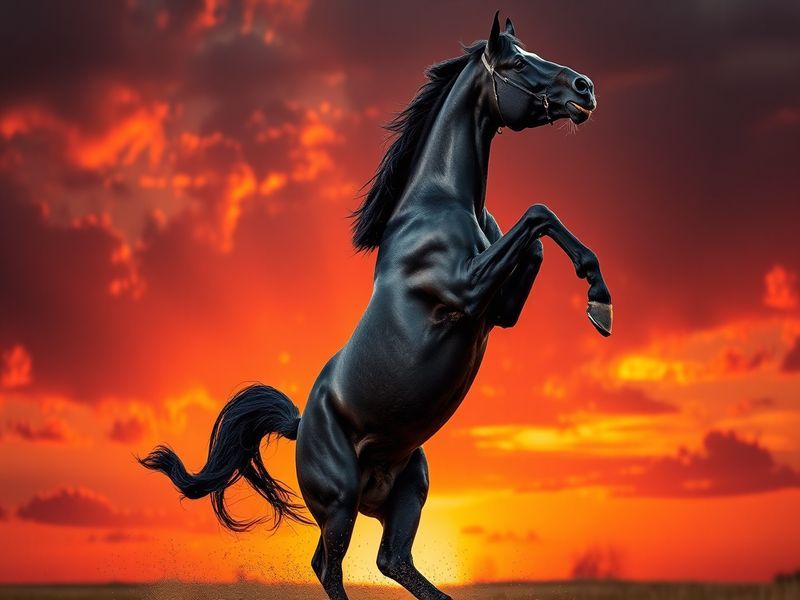
Stallions: Power, History, and Cultural Legacy Explored
The stallion stands as one of nature’s most striking examples of strength, grace, and dominance. Unlike their female counterparts, mares, stallions carry a unique combination of physical prowess and behavioral intensity that has shaped human history, culture, and even warfare. From the steppes of Central Asia to the racetracks of Kentucky, these animals have been both companions and symbols of power.
The term “stallion” specifically refers to a male horse that has not been castrated. This distinction is crucial because it defines not just the animal’s biology but also its role in equine society. While geldings (castrated males) are often preferred for their calmer demeanor in domestic settings, stallions retain an unmistakable presence—one that commands attention and respect.
The Biology and Behavior of Stallions
Stallions are physically larger and more muscular than mares, a trait that evolved to establish dominance in wild herds. Their average height ranges between 14.2 to 17 hands (58 to 71 inches at the shoulder), though some breeds, like the Shire or Clydesdale, can exceed 18 hands. Their coat colors vary widely, from the deep bay of a Thoroughbred to the dappled gray of Andalusians, each hue adding to their visual magnetism.
Behaviorally, stallions are territorial and protective, often leading a group of mares and foals in the wild. This protective instinct is deeply ingrained, making them formidable opponents when threatened. However, their reputation for aggression is often overstated. In well-managed environments, stallions can exhibit remarkable discipline and even affection toward their handlers.
One of the most fascinating aspects of stallion behavior is their vocalizations. The loud, distinctive neigh—known as a “whinny” or “neigh”—serves multiple purposes. It can signal alarm, locate herd members, or assert dominance. The pitch and intensity of the call often reflect the stallion’s health and emotional state, making it a subject of study among equine behaviorists.
A Global History of Stallions in Warfare and Sport
Throughout history, stallions have been prized for their speed, endurance, and bravery. The domestication of horses around 6,000 years ago revolutionized human mobility, but it was the stallion that became the warrior’s choice. In ancient Persia, the Nisean horse—a breed known for its strength and elegance—was favored by cavalry units. Similarly, the Mongols under Genghis Khan relied on sturdy steppe stallions to conquer vast territories.
The introduction of stallions to Europe during the Middle Ages further cemented their role in warfare. Breeds like the Friesian and Andalusian were trained for jousting tournaments, where their agility and power made them indispensable. Even the iconic Lipizzaner stallions, originally bred in 16th-century Austria, were developed for military use before becoming celebrated in classical dressage.
In the realm of sport, stallions have left an indelible mark. Thoroughbred stallions like Secretariat and American Pharoah have become legends in horse racing, their names etched into history for record-breaking performances. The Kentucky Derby, often called the “Run for the Roses,” is a testament to the stallion’s enduring legacy in competitive sports. Beyond racing, stallions dominate disciplines like show jumping and polo, where their athleticism is on full display.
Breeds That Define the Stallion’s Legacy
The world of horse breeding is rich with varieties, each developed for specific purposes. Here are some of the most iconic stallion breeds:
- Arabian: Known for their endurance and distinctive dished face, Arabians are one of the oldest horse breeds and have influenced countless others.
- Quarter Horse: Renowned for their explosive speed over short distances, Quarter Horses are a staple in rodeo and ranch work.
- Clydesdale: With their towering stature and feathered legs, Clydesdales are iconic draft horses often associated with Budweiser’s advertising.
- Akhal-Teke: Originating in Turkmenistan, this breed is celebrated for its metallic sheen coat and is often called the “Golden Horse.”
- Friesian: Black as night and known for their luxurious mane and tail, Friesians are a favorite in dressage and film.
Cultural Symbolism and Modern Representations
Stallions have transcended their biological role to become cultural icons. In many societies, they symbolize freedom, wildness, and untamed power. The Greek myth of Pegasus, the winged stallion, represents the bridge between earth and sky, embodying aspiration and transcendence. Meanwhile, in Native American traditions, the horse—often depicted as a stallion—is revered as a bringer of change and spiritual guidance.
In literature and film, stallions often embody the hero’s journey. From the Lone Ranger’s Silver to the gallant horses in The Lord of the Rings, these animals are portrayed as loyal companions and symbols of noble ideals. Even in modern advertising, stallions are used to evoke strength and reliability, as seen in campaigns for automotive brands like Ford and Jeep.
However, the stallion’s cultural significance is not without controversy. In some regions, wild stallions are hunted for sport or captured for rodeo events, sparking debates about animal welfare. Organizations like the American Wild Horse Campaign work to protect these majestic creatures from exploitation, highlighting the need for ethical treatment in both wild and domestic settings.
The Future of Stallions: Challenges and Conservation
Despite their storied past, stallions face challenges in the modern world. Habitat loss, climate change, and genetic dilution threaten wild populations, particularly in regions like Mongolia and the American West. Conservation efforts are underway to preserve endangered breeds, such as the endangered Caspian horse, which dates back to ancient Persia.
In the realm of sport and breeding, ethical practices are becoming increasingly important. The use of artificial insemination and embryo transfer has revolutionized horse breeding, allowing stallions with superior genetics to sire offspring without the risks associated with natural mating. However, these advancements also raise questions about the preservation of breed diversity and the potential for over-commercialization.
For domesticated stallions, the focus is often on training and temperament. While their natural instincts can make them challenging to handle, dedicated trainers and veterinarians work to ensure their well-being. Programs like equine therapy leverage the stallion’s intelligence and sensitivity to help individuals with physical or emotional struggles, proving that these animals are more than just symbols of power—they are healers and teachers.
How to Responsibly Engage with Stallions
For those interested in interacting with stallions, whether as riders, breeders, or enthusiasts, education is key. Here are some guidelines to ensure a positive experience:
- Respect their space: Stallions are protective by nature. Always approach them calmly and with caution, avoiding sudden movements.
- Understand their behavior: Learn to read body language, such as pinned ears or raised tails, which can indicate stress or aggression.
- Invest in proper training: Work with experienced handlers to ensure both the stallion and handler are safe and comfortable.
- Support ethical breeding: Choose reputable breeders who prioritize health and temperament over profit.
- Advocate for conservation: Support organizations that protect wild and endangered horse populations.
Stallions are more than just animals; they are living embodiments of history, culture, and nature’s grandeur. Their legacy is woven into the fabric of human civilization, from the battlefields of antiquity to the modern racetrack. By understanding and respecting these magnificent creatures, we honor a tradition that spans millennia.