Beyond the Beaches: The Rich Culture and Challenges of the Bahamas
The Bahamas: A Caribbean Jewel Beyond the Beaches
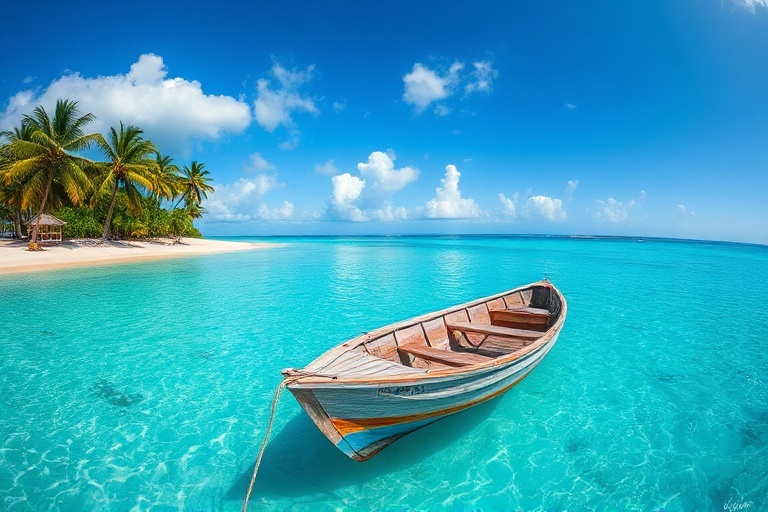
The Bahamas is often reduced to images of pristine beaches and crystal-clear waters in travel brochures, but this archipelago of over 700 islands holds a depth that transcends its postcard-perfect reputation. Spread across 100,000 square miles of the Atlantic Ocean, these islands are a tapestry of vibrant culture, resilient history, and ecological significance. From the bustling streets of Nassau to the quiet cays where time seems to stand still, the Bahamas offers a narrative far richer than its tropical allure suggests.
Geographically, the Bahamas is part of the Lucayan Archipelago, sharing maritime borders with the United States to the northwest and Cuba to the south. Its location has made it a crossroads of cultures, shaping a society where African, European, and indigenous influences intertwine. This blend is evident in the islands’ music, cuisine, and festivals, creating a cultural identity that is uniquely Bahamian. Beyond its role as a tourist destination, the Bahamas plays a pivotal part in regional economics and environmental conservation efforts.
The Cultural Mosaic: Music, Food, and Tradition
The heartbeat of Bahamian culture can be found in its music, most notably in the rhythm of junkanoo. This vibrant festival, celebrated primarily in Nassau, is a dazzling display of costume, dance, and music that dates back to the era of slavery. Junkanoo’s origins are debated, but many believe it emerged from the traditions of enslaved Africans who used the holiday period between Christmas and New Year to celebrate their heritage. Today, it is a UNESCO-recognized cultural treasure, drawing thousands of spectators each year.
Bahamian cuisine is another reflection of the islands’ layered history. Dishes like conch salad, cracked conch, and Bahamian-style baked crab are staples that tell stories of indigenous Taíno people, African slaves, and British colonizers. Seafood plays a central role, but the cuisine also incorporates influences from the Caribbean and the American South. For instance, the use of okra in stews hints at a connection to West African culinary traditions, while the prevalence of rice and peas reflects the islands’ colonial past.
Religion also weaves through the fabric of Bahamian society. Christianity, particularly Baptist and Anglican denominations, dominates, but the islands are home to a diverse range of faiths, including Rastafarianism and Bahá’í. This religious diversity is celebrated in festivals like the Bahamas Emancipation Day, which commemorates the abolition of slavery in the British Empire in 1834 and is marked with parades, music, and prayer.
Economic Pillars: Tourism, Finance, and Maritime Industries
The Bahamas’ economy is heavily reliant on tourism, which accounts for nearly 50% of its GDP. The islands attract millions of visitors annually, drawn by luxury resorts, world-class diving, and the promise of a relaxed island getaway. However, this dependence on tourism has also made the economy vulnerable to global crises, such as the COVID-19 pandemic, which brought travel to a near standstill in 2020. The government has since focused on diversifying the economy, investing in sectors like financial services and renewable energy.
Financial services are the second-largest industry in the Bahamas, thanks in part to its status as a tax haven. The islands’ offshore banking sector has attracted international businesses and investors, though it has also faced scrutiny over transparency and regulatory oversight. Despite this, the Bahamas has taken steps to align with global standards, such as implementing the Common Reporting Standard for the automatic exchange of financial information.
The maritime industry is another cornerstone of the Bahamian economy. The islands’ strategic location along major shipping routes has made them a hub for cruise lines and cargo shipping. Ports like Nassau and Freeport are critical to the region’s trade infrastructure, supporting thousands of jobs and contributing significantly to the national revenue. Additionally, the Bahamas’ waters are vital for commercial fishing, particularly for spiny lobster and conch, which are exported globally.
Environmental Stewardship: Protecting a Fragile Paradise
The Bahamas is not just a playground for tourists; it is a living ecosystem that faces growing environmental threats. The islands’ coral reefs, mangroves, and marine life are under pressure from climate change, overfishing, and coastal development. Rising sea temperatures have led to widespread coral bleaching, while stronger hurricanes—linked to global warming—have devastated infrastructure and ecosystems alike. The government has responded with conservation initiatives, such as the designation of marine protected areas and the promotion of sustainable tourism practices.
One of the most ambitious projects is the Bahamas’ commitment to protecting 20% of its marine environment by 2020, a goal it surpassed with the creation of 11 new marine protected areas. These zones safeguard critical habitats for species like the Nassau grouper and the critically endangered Bahamian rock iguana. Local organizations, such as the Bahamas National Trust, work tirelessly to monitor these areas and engage communities in conservation efforts.
Climate resilience is also a priority. The Bahamas is particularly vulnerable to sea-level rise, with some low-lying islands already experiencing flooding and erosion. In response, the government has launched adaptation projects, including the construction of seawalls and the restoration of natural barriers like mangroves. These efforts are not just about preserving the environment; they are about safeguarding the future of the Bahamian people, whose livelihoods are inextricably linked to the land and sea.
The Bahamas on the Global Stage
Beyond its borders, the Bahamas plays a role in regional and international affairs. As a member of the Caribbean Community (CARICOM) and the United Nations, the country advocates for issues like climate justice, small island development, and fair trade. Its diplomatic efforts often focus on securing funding for climate adaptation and resilience, a cause that resonates deeply with its own national challenges.
The Bahamas has also become a symbol of resilience in the face of adversity. In 2019, Hurricane Dorian, one of the most powerful storms ever recorded in the Atlantic, devastated the islands of Grand Bahama and Abaco, leaving hundreds dead and thousands displaced. The disaster exposed vulnerabilities in infrastructure and emergency response systems, but it also sparked a global outpouring of support. International aid, coupled with local rebuilding efforts, has demonstrated the strength of the Bahamian spirit.
The country’s cultural exports, from music to literature, have also gained international recognition. Bahamian authors like Marion Bethel have explored themes of identity and heritage in their work, while musicians like K. Michelle and the late Tony McKay (better known as Exuma) have brought Bahamian sounds to global audiences. These cultural contributions are a reminder that the Bahamas is more than a destination—it is a dynamic society with a story worth telling.
For travelers seeking more than just a beach vacation, the Bahamas offers a chance to engage with a culture that is both ancient and ever-evolving. Whether attending a junkanoo parade, exploring the underwater wonders of the Exuma Cays, or simply sharing a meal with locals, visitors leave with a deeper understanding of the islands’ complexity. The Bahamas challenges the notion that paradise is a place of static beauty; instead, it presents a living, breathing world where history, culture, and nature intersect in profound ways.
Conclusion: A Destination with Depth
The Bahamas is a destination that rewards those who look beyond the surface. Its beauty is undeniable, but its true essence lies in the stories of its people, the resilience of its ecosystems, and the cultural vibrancy that defines it. As the world grapples with climate change and economic uncertainty, the Bahamas stands as a testament to the power of adaptation and community. It is a reminder that paradise is not just a place to visit—it is a place to learn, to engage, and to be inspired.