The Stallion: Power, Culture, and Controversy in History and Sport
The Stallion in Human History: More Than a Breed
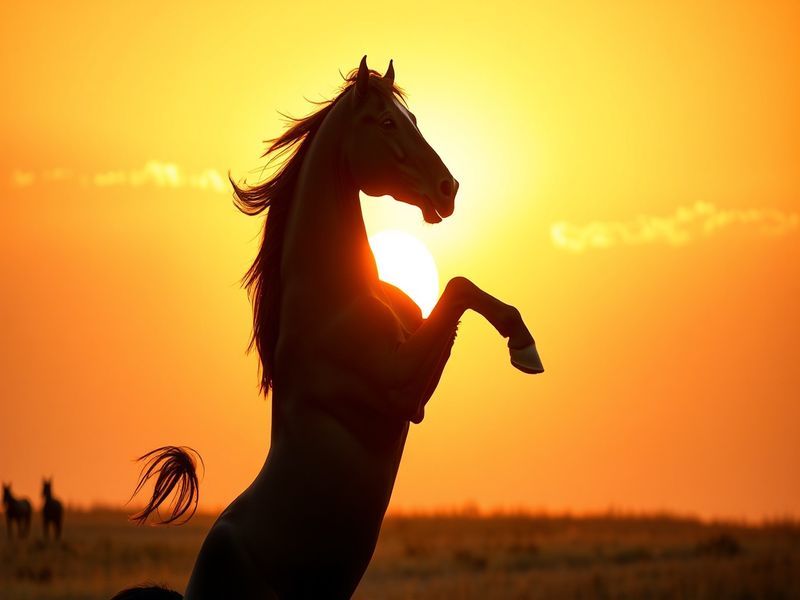
The stallion occupies a unique place in human civilization, transcending its biological role to become a symbol of power, freedom, and prestige. Unlike mares prized primarily for their maternal qualities or draft horses valued for labor, stallions have historically been associated with nobility, military might, and athletic excellence. This distinction persists across cultures, from the Mongolian steppes to the Andalusian hills of Spain.
In ancient Mesopotamia, stallions pulled the chariots of kings, their strength and speed determining the outcome of battles that shaped empires. The Assyrians, renowned for their cavalry, depicted stallions in bas-reliefs charging into combat, their muscles taut and manes flowing. Similarly, the Greeks revered stallions in mythology, with Pegasus—the winged horse born from the blood of Medusa—embodying the divine fusion of earthly power and celestial aspiration.
The Cultural Significance of Stallions Across Continents
Stallions have served as cultural ambassadors, embodying the values of the societies that revered them. In China, the Celestial Horse (天马, Tiānmǎ) was a mythical creature gifted to the emperor, symbolizing harmony between heaven and earth. The cultural significance extended to practical roles as well; during the Tang Dynasty, polo matches featuring stallions became a favored pastime of the imperial court, blending sport with diplomacy.
Across the Atlantic, the Comanche people of North America developed an unparalleled bond with stallions, which they acquired from Spanish explorers in the 17th century. These horses transformed Comanche society, enabling a nomadic lifestyle that stretched from the southern plains to the Rocky Mountains. The stallion became a metaphor for resilience and adaptability, traits the Comanche admired deeply.
- Middle East: Arabian stallions were (and remain) prized for their endurance and loyalty, often exchanged as diplomatic gifts among rulers.
- Japan: The samurai’s preference for stallions in battle underscored their role as symbols of discipline and controlled aggression.
- Mongolia: Genghis Khan’s mounted armies relied on stallions for their speed and stamina, with the horse’s milk even used in traditional ceremonies.
The Stallion in Modern Context: Sport, Science, and Controversy
Today, the stallion’s legacy continues to evolve, shaped by the demands of sport, science, and shifting ethical perspectives. The world of equestrian sports remains a bastion of stallion prominence, particularly in disciplines like show jumping, dressage, and racing. The Kentucky Derby, for instance, is synonymous with the prowess of stallions like Secretariat, whose 1973 victory shattered records and cemented his place in American lore.
Yet modern society grapples with the complexities of stallion ownership and breeding. The practice of castration, once routine to temper aggression and facilitate handling, has become a subject of debate. Animal welfare advocates argue that hormonal intervention disrupts natural behaviors, while breeders counter that it ensures safety for both horses and handlers. This tension reflects broader questions about humanity’s relationship with domesticated animals: How much should we alter nature to suit our needs?
The Science Behind the Stallion’s Strength
Stallions are not merely cultural icons; they are biological marvels. Physically, stallions are typically larger and more muscular than mares, a trait driven by testosterone that enhances their speed and power. Their skeletal structure, with a more pronounced neck and broader chest, is optimized for endurance and agility. Studies have shown that stallions can sustain speeds of up to 55 mph in short bursts, a capability that has made them indispensable in both historical warfare and contemporary racing.
Genetically, stallions carry a Y chromosome that triggers the development of male characteristics, including a thicker neck and a more pronounced jawline—features prized in breeds like the Friesian or the Clydesdale. However, this genetic advantage comes with challenges. Stallions are more prone to behavioral issues, such as aggression or stall-bound restlessness, which can complicate training and handling. Experts emphasize the need for specialized care, including consistent exercise, mental stimulation, and, in some cases, pharmaceutical intervention to manage hormonal fluctuations.
Ethical Considerations: The Stallion’s Place in a Changing World
The stallion’s role in society is increasingly scrutinized through the lens of ethics. In the 21st century, the equestrian world faces pressure to adopt more humane practices, particularly in breeding and competition. The issue of overbreeding has led to an oversupply of stallions in some regions, with rescue organizations struggling to rehome retired racehorses or those deemed unsuitable for sport.
Moreover, the use of stallions in tourism—such as in the controversial tradition of horse trekking in certain countries—has sparked debates about exploitation. Critics argue that stallions, with their heightened sensitivity to stress, are particularly vulnerable to mistreatment in high-traffic or poorly regulated environments. In response, organizations like the International Federation for Equestrian Sports (FEI) have implemented stricter guidelines to ensure the welfare of stallions in competitive and recreational settings.
Stallions in the Spotlight: Film, Art, and Pop Culture
Beyond their practical roles, stallions have left an indelible mark on global pop culture. Films like Seabiscuit and The Man from Snowy River immortalized the stallion’s spirit, portraying them as symbols of underdog triumph and untamed wildness. In art, stallions have been depicted in everything from Renaissance paintings to modern graffiti, often representing freedom or raw power.
The stallion’s image is also a staple in branding and advertising. The Prado Museum’s equestrian portraits of Spanish kings, the Budweiser Clydesdales trotting through American commercials, and even the Ferrari logo—inspired by the prancing horse of a WWI fighter pilot—all draw on the stallion’s association with nobility and dynamism. This cultural ubiquity underscores the horse’s enduring relevance, even in an era dominated by technology and urbanization.
A Future for the Stallion: Tradition Meets Innovation
As society evolves, so too does the stallion’s place in it. Advances in veterinary science, such as hormone therapy and behavioral conditioning, offer new ways to manage stallion welfare. Meanwhile, conservation efforts are working to preserve rare breeds, like the Cleveland Bay or the Sorraia, which are at risk of extinction due to declining demand for traditional roles.
In the realm of sport, innovations like synthetic tracks and virtual reality training are changing how stallions are prepared for competition. These technologies reduce the physical strain on the animals while enhancing performance, offering a glimpse into a future where tradition and innovation coexist. Yet, challenges remain. The global equestrian community must address issues like doping in racing, the ethical treatment of retired horses, and the environmental impact of large-scale breeding operations.
Ultimately, the stallion’s future hinges on humanity’s ability to balance reverence with responsibility. Whether as a competitor in the Kentucky Derby, a muse for artists, or a guardian of cultural heritage, the stallion remains a testament to the complex interplay between nature and nurture. Its story is one of adaptation—of a species that has shaped human history even as it has been shaped by it.
As we move forward, the stallion challenges us to ask: What do we owe to the animals that have given us so much? The answer may well determine whether these majestic creatures continue to thrive—or fade into the annals of history.