Easter 2026 falls on Sunday, April 5, marking another shift in the Christian liturgical calendar. Unlike fixed holidays such as Christmas, Easter’s date varies each year based on a combination of lunar cycles and historical ecclesiastical rules. This variability has shaped centuries of tradition, from fasting periods to feast days, and continues to influence how communities around the world observe the holiday.
The date of Easter is not arbitrary. It is calculated using a formula established in the 4th century, which ties the observance to the spring equinox and the full moon. This method ensures that Easter always follows Passover in the Hebrew calendar, reflecting its roots in the resurrection narrative of Jesus Christ. Understanding this system provides insight into why the holiday shifts between late March and late April each year.
How Easter’s Date Is Determined
The calculation of Easter’s date is rooted in both astronomy and church tradition. The most widely accepted method in Western Christianity is the Gregorian calendar algorithm, established in 1582 under Pope Gregory XIII. This system defines Easter as the first Sunday after the first ecclesiastical full moon that occurs on or after the spring equinox (March 21).
Here’s how it works step-by-step:
- Spring Equinox Anchor: The equinox is fixed on March 21 for calculation purposes, even though the actual astronomical equinox can vary slightly.
- Paschal Full Moon: The first full moon on or after March 21 is called the Paschal Full Moon. This is not necessarily the actual astronomical full moon.
- Sunday Selection: Easter is then set as the first Sunday after this Paschal Full Moon. If the full moon falls on a Sunday, Easter is observed the following Sunday.
In 2026, the spring equinox is on March 20. The first full moon after this date occurs on April 2. Therefore, Easter Sunday lands on April 5. This places it relatively early in the year, compared to 2025 when Easter was celebrated on April 20.
The Eastern Orthodox Church uses a different method based on the Julian calendar, which results in a later date for Easter in most years. In 2026, Orthodox Easter will fall on April 12. This discrepancy highlights the enduring impact of historical calendar reforms and cultural traditions across Christian denominations.
Cultural and Religious Significance Beyond the Date
Easter is more than just a movable feast—it is a cornerstone of Christian worship, cultural identity, and community life. The weeks leading up to Easter, known as Lent, involve fasting, prayer, and reflection, culminating in Holy Week observances such as Palm Sunday, Maundy Thursday, Good Friday, and Easter Vigil. These rituals reinforce themes of sacrifice, redemption, and renewal that resonate far beyond religious contexts.
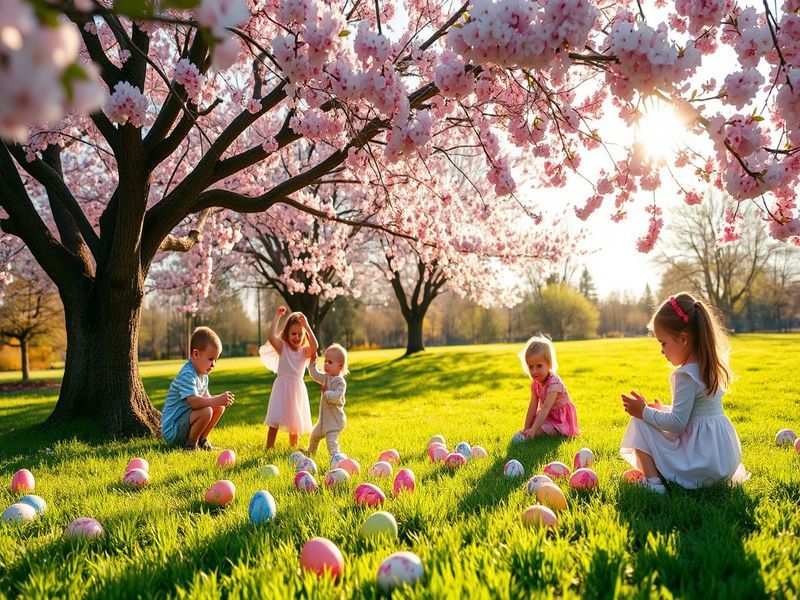
In secular contexts, Easter has evolved into a broader springtime celebration. Symbols like eggs, rabbits, and spring flowers have pre-Christian origins tied to fertility and rebirth. Modern traditions such as egg hunts and chocolate treats blend ancient customs with contemporary commercial culture. This duality reflects how holidays adapt over time, serving both spiritual and social functions.
Easter also plays a significant role in global tourism and economies. Holy sites in Jerusalem, Rome, and Canterbury attract pilgrims, while spring festivals draw travelers to destinations like Seville, where Holy Week processions are a UNESCO-recognized tradition. The tourism industry benefits from the timing of Easter breaks, especially in countries where it coincides with school vacations.
The Future of Easter: Trends and Observations
As global demographics shift, so too does the observance of Easter. Declining church attendance in Western nations contrasts with growth in Africa, Asia, and Latin America, where Easter remains a major religious and cultural event. This geographic redistribution influences how the holiday is celebrated worldwide, from massive sunrise services in the United States to vibrant processions in the Philippines.
Digital technology has also transformed Easter observances. Virtual church services, online prayer groups, and social media campaigns have expanded access to spiritual content, especially for those unable to attend in person. Meanwhile, e-commerce platforms see spikes in sales of chocolates, decorations, and greeting cards in the weeks leading up to the holiday.
Another trend is the blending of traditions. Many families now incorporate both religious and secular elements into their celebrations, reflecting diverse cultural backgrounds. For instance, households with mixed Christian and Jewish heritage might observe Passover alongside Easter, acknowledging shared themes of liberation and renewal.
Looking ahead, climate change may also impact Easter traditions. Earlier springs could shift planting seasons, potentially affecting Easter egg hunts held outdoors. Similarly, extreme weather events during Holy Week could disrupt pilgrimages and outdoor services, prompting adaptations in how communities observe the season.
Key Takeaways: What to Remember About Easter 2026
- Date: Easter 2026 is on Sunday, April 5, following the Western Christian tradition.
- Calculation: It is determined by the first Sunday after the first full moon on or after the spring equinox (March 21).
- Orthodox Easter: In 2026, Orthodox Easter falls on April 12 due to the use of the Julian calendar.
- Cultural Blend: Easter reflects both ancient fertility symbols and modern commercial traditions like chocolate eggs and bunny figures.
- Global Observance: While Western participation may decline, Easter remains a major event in many parts of the world, influencing tourism, trade, and local customs.
Easter 2026 arrives as a reminder of how tradition and modernity intersect. Whether observed through solemn reflection or joyful celebration, the holiday continues to evolve, shaped by history, culture, and community. For families planning ahead, the early April date offers a chance to blend spiritual observance with seasonal renewal, from church services to garden preparations.
As you mark the occasion, consider the layers of meaning behind the date—from ancient lunar calculations to the vibrant customs that bring people together each spring.
For more on how holidays shape culture and community, explore our Culture and Entertainment sections on Dave’s Locker.