Discover Seattle: The Emerald City’s Unique Blend of Nature and Innovation
“`html
Seattle: The Emerald City’s Enduring Allure
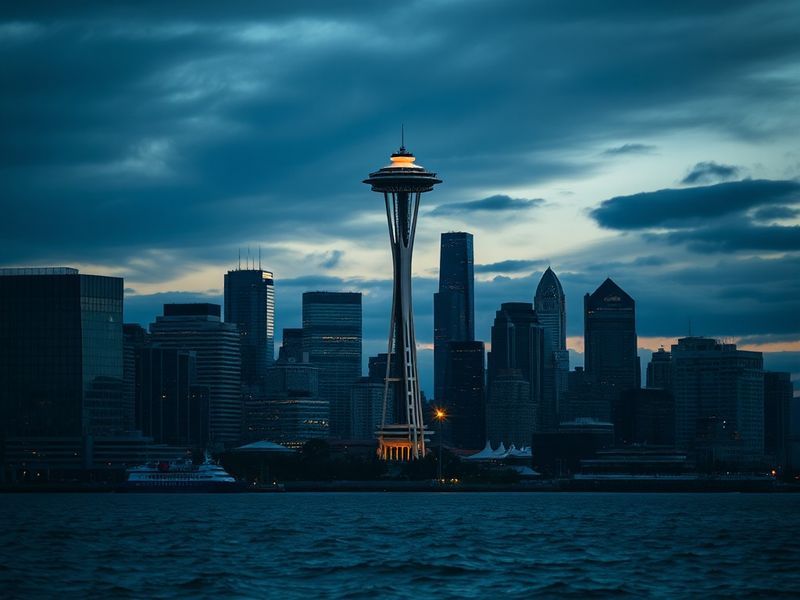
Nestled between the Puget Sound and Lake Washington, Seattle has long captivated visitors with its blend of natural beauty, cultural richness, and economic dynamism. Known as the Emerald City for its lush greenery, Seattle offers a unique urban experience where towering skyscrapers coexist with evergreen forests and waterfront vistas. The city’s identity is shaped by its maritime heritage, tech-driven economy, and a thriving arts scene that continues to evolve.
The Geography That Defines Seattle
Seattle’s geography is both its defining feature and greatest challenge. The city sits on a narrow isthmus between two major bodies of water, creating a landscape of hills, waterways, and peninsulas. Puget Sound connects the city to the Pacific Ocean, while Lake Washington lies to the east, separated from the sound by the Lake Washington Ship Canal. This geography has influenced everything from the city’s transportation systems to its architectural styles.
The most iconic natural feature is Mount Rainier, a dormant volcano visible from nearly every corner of the city. On clear days, its snow-capped peak dominates the skyline, serving as a constant reminder of the Pacific Northwest’s raw natural beauty. The city’s nickname, the Emerald City, originates from the lush evergreen forests that surround it, a verdant backdrop to urban life.
Seattle’s topography has also shaped its neighborhoods. Areas like Capitol Hill rise steeply, offering panoramic views of the city and Elliott Bay, while neighborhoods like Ballard and Fremont embrace their waterfront roots with marinas and industrial charm. The city’s hills and waterways have necessitated innovative urban planning, from the historic cable cars of the early 20th century to today’s expanding light rail system.
Economic Evolution: From Timber to Tech
Seattle’s economy has undergone dramatic transformations over the past century. In the late 19th and early 20th centuries, the city thrived as a hub for timber, shipping, and trade. The arrival of the Great Northern Railway in 1893 solidified Seattle’s role as a gateway to Alaska and the Yukon, fueling its growth during the Klondike Gold Rush. By the mid-20th century, the city had diversified into aerospace, with Boeing establishing its headquarters in Seattle in 1971.
Today, Seattle is synonymous with technology. The rise of Microsoft in the 1980s and 1990s paved the way for Amazon, which now occupies over 20 buildings in the city’s downtown core. The tech boom has transformed Seattle into one of the fastest-growing metropolitan areas in the United States, with a median home price that now exceeds $800,000. This rapid growth has brought both prosperity and challenges, including skyrocketing housing costs and debates over urban density.
The city’s economic success is not limited to tech. Seattle’s port remains one of the busiest in the nation, handling billions of dollars in trade annually. The healthcare industry, led by institutions like the University of Washington Medical Center and Swedish Health Services, is another major economic driver. Meanwhile, a thriving coffee culture, pioneered by Starbucks and local roasters, has turned Seattle into a global destination for coffee enthusiasts.
Key Industries in Seattle
- Technology: Home to Amazon, Microsoft, and a growing ecosystem of startups and established tech firms.
- Aerospace: Boeing’s legacy continues with the company’s production and engineering facilities in the region.
- Maritime Trade: The Port of Seattle is a critical hub for international trade, connecting the Pacific Northwest to Asia and beyond.
- Healthcare: Leading research hospitals and biotech companies drive innovation in medicine and wellness.
- Coffee and Food: From Starbucks to artisanal roasters, Seattle’s coffee culture is a global phenomenon.
Cultural Pulse: Music, Art, and Beyond
Seattle’s cultural scene is as diverse as its population. The city has long been a magnet for artists, musicians, and creatives seeking inspiration in its rainy, introspective atmosphere. In the 1990s, Seattle became the epicenter of the grunge music movement, with bands like Nirvana, Pearl Jam, and Soundgarden rising from its underground clubs to global fame. The city’s music legacy is celebrated at venues like the Crocodile and the historic Paramount Theatre, which hosts everything from indie bands to Broadway tours.
Visual arts also thrive in Seattle, with institutions like the Seattle Art Museum and the Frye Art Museum leading the way. The city’s public art scene is particularly notable, with sculptures and murals dotting neighborhoods from Pioneer Square to the International District. The Seattle Center, home to the iconic Space Needle, is a cultural hub that hosts events like Bumbershoot, a festival celebrating music, art, and food.
Seattle’s literary tradition is equally rich. The Elliott Bay Book Company, one of the nation’s most beloved independent bookstores, has been a literary landmark since 1973. The city has also produced celebrated authors like Sherman Alexie, whose work often explores Native American life and the complexities of growing up in the Pacific Northwest. Meanwhile, the Seattle Public Library’s Central Branch, designed by architect Rem Koolhaas, is a modern architectural marvel that serves as a community gathering space.
Life in Seattle: Challenges and Charms
Living in Seattle offers a high quality of life, but it comes with its share of challenges. The city’s natural beauty and economic opportunities attract people from around the world, leading to rapid population growth and rising living costs. The median rent for a one-bedroom apartment in downtown Seattle now exceeds $2,000 per month, pushing some residents to seek housing in neighboring cities like Bellevue or Tacoma. Traffic congestion is another growing concern, with commute times among the worst in the nation.
Despite these challenges, Seattle’s residents are fiercely proud of their city. The outdoor recreation opportunities are unparalleled, with hiking trails in the Cascade Mountains, kayaking in the Puget Sound, and skiing at nearby resorts like Stevens Pass. The city’s commitment to sustainability is evident in its extensive public transit system, bike lanes, and green building initiatives. Seattleites also embrace a slower pace of life, savoring long coffee breaks, farmers markets, and neighborhood festivals that celebrate the city’s multicultural heritage.
The city’s food scene is another major draw. Seattle’s diverse population has led to a culinary landscape that ranges from fresh seafood at Pike Place Market to authentic Vietnamese pho in the International District. The city is also a leader in the farm-to-table movement, with restaurants sourcing ingredients from local farms and fisheries. For those seeking a taste of Seattle’s innovative spirit, the city’s food trucks and pop-up eateries offer creative and affordable options.
What Makes Seattle Unique
- Outdoor Access: Within 30 minutes, residents can hike, ski, sail, or bike, all while enjoying breathtaking views.
- Cultural Diversity: Neighborhoods like the International District and Beacon Hill reflect the city’s rich immigrant history and global influences.
- Innovation: From tech startups to sustainable urban planning, Seattle is a hub for forward-thinking ideas and solutions.
- Community Spirit: Whether it’s supporting local businesses or participating in neighborhood cleanups, Seattleites take pride in their city’s well-being.
Looking Ahead: Seattle’s Future
As Seattle continues to grow, it faces critical decisions about its future. The city’s leaders are grappling with how to accommodate its expanding population while preserving its unique character. Plans to expand light rail, increase affordable housing, and improve infrastructure are underway, but balancing progress with sustainability remains a challenge. The city’s commitment to climate action is evident in its goal to become carbon-neutral by 2050, but achieving this will require significant investment and community engagement.
Seattle’s cultural identity is also evolving. The city’s music scene, while no longer dominated by grunge, continues to produce groundbreaking artists across genres. The tech industry, though a major economic driver, faces scrutiny over its role in gentrification and housing shortages. Meanwhile, Seattle’s role as a gateway to the Pacific Northwest positions it as a key player in global trade and innovation.
For visitors and residents alike, Seattle offers a dynamic blend of natural beauty, cultural richness, and economic opportunity. Whether exploring the bustling streets of downtown, hiking in the nearby mountains, or sampling the latest culinary creations, there’s always something new to discover in the Emerald City. As Seattle navigates its next chapter, one thing is certain: its allure will endure.
For those interested in exploring more about Seattle’s cultural and economic landscape, check out our Culture and Travel sections for deeper insights and recommendations.