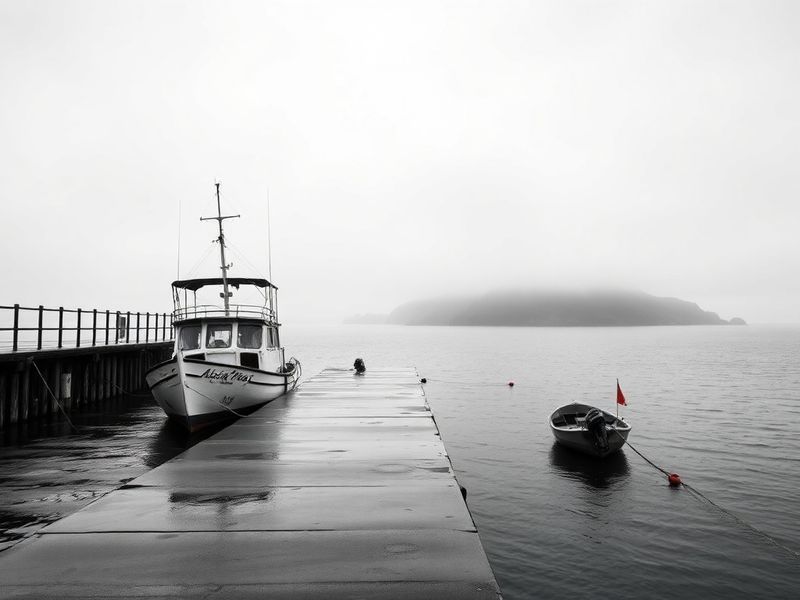
Alcatraz Tours Canceled Indefinitely: What Visitors Need to Know
The iconic Alcatraz Island in San Francisco Bay has long been one of the most sought-after tourist destinations in the United States. Known for its infamous federal prison and rich history, the island has attracted millions of visitors annually. However, recent developments have left travelers scrambling. Tours to Alcatraz have been canceled indefinitely, leaving many to question the future of this historic site.
The cancellation stems from a combination of factors, including ongoing federal funding uncertainties and maintenance challenges. While the National Park Service has not released a definitive timeline for reopening, the decision has sent ripples through the global tourism industry. For a destination that once welcomed over 1.5 million visitors each year, the absence of Alcatraz tours represents a significant shift in the travel landscape.
A Brief History of Alcatraz as a Tourist Destination
Alcatraz Island officially opened to the public in 1973, following its closure as a federal prison in 1963. Initially, access was limited, but by the 1980s, the National Park Service had established a robust tour program. The audio tour, introduced in the 1990s, became particularly popular, offering visitors an immersive experience of prison life.
The island’s allure extends beyond its prison history. Indigenous peoples once inhabited the island, and it later served as a military fortress. This layered past has made Alcatraz a unique destination, blending natural beauty with human drama. The cancellation of tours disrupts not just a business model but a cultural experience that has shaped the identity of San Francisco itself.
The Global Impact of the Cancellation
Alcatraz is more than a local attraction—it is a global symbol. International travelers often plan entire West Coast trips around a visit to the island. The cancellation has forced tour operators and travel agencies to rethink itineraries, leading to a domino effect on related industries.
According to recent data, tourism-dependent businesses in San Francisco have seen a 20% decline in bookings for attractions in the area. Hotels, restaurants, and local tour companies are scrambling to fill the void. Some have pivoted to offering virtual tours or alternative historical experiences, such as visits to San Quentin Prison or Angel Island.
For travelers who had already booked accommodations or flights, the news has been particularly disruptive. Many are now seeking refunds or rebooking their trips entirely. The situation highlights the fragility of the tourism industry, which remains vulnerable to external disruptions.
Why Are the Tours Canceled?
While the National Park Service has not provided a detailed explanation, several factors likely contribute to the cancellation:
- Budget Cuts: Federal funding for national parks has faced scrutiny in recent years. Alcatraz, as a high-maintenance site, may be particularly vulnerable to budget reductions.
- Maintenance Delays: The island’s aging infrastructure requires constant upkeep. Without sufficient funds, the Park Service may have deemed it unsafe to continue operations.
- Staffing Shortages: Like many public services, Alcatraz has struggled with staffing issues. A lack of trained personnel could make it difficult to operate tours safely.
- Safety Concerns: The COVID-19 pandemic exposed vulnerabilities in public health protocols. The Park Service may be taking a cautious approach to reopening.
Until a clear resolution is announced, visitors are left in limbo. The uncertainty has sparked discussions about the future of public access to historic sites, particularly those with complex legacies.
Alternatives for History Enthusiasts
For those eager to explore similar historical sites, San Francisco offers several alternatives. While none can fully replicate the experience of Alcatraz, they provide valuable insights into the region’s past.
One option is a visit to Angel Island, often called the “Ellis Island of the West.” This state park offers stunning views of the bay and a rich history tied to immigration and military use. Another possibility is the San Francisco Dungeon, an interactive tour that delves into the city’s darker chapters.
Beyond San Francisco, travelers might consider other historic prisons, such as Eastern State Penitentiary in Philadelphia or the Tower of London. Each offers a distinct perspective on incarceration and justice, though none carry the same cultural weight as Alcatraz.
The Broader Implications for Cultural Tourism
The cancellation of Alcatraz tours raises broader questions about the sustainability of cultural tourism. Historic sites face mounting challenges, from climate change to funding shortages. How can these destinations balance preservation with accessibility?
Some experts argue for increased private-public partnerships to fund maintenance and operations. Others advocate for digital solutions, such as virtual reality tours, to keep these sites accessible during closures. The debate underscores the need for innovative approaches to cultural preservation.
For now, the future of Alcatraz remains uncertain. Visitors and locals alike hope for a swift resolution, but the temporary loss of this iconic experience serves as a reminder of the fragility of shared heritage.
What’s Next for Alcatraz?
As of now, there is no confirmed date for the resumption of tours. The National Park Service has indicated that updates will be provided as soon as possible. In the meantime, travelers are encouraged to monitor official channels for news.
The cancellation of Alcatraz tours is more than an inconvenience—it is a cultural disruption. Whether through virtual alternatives or future reopenings, preserving access to this historic site remains a priority for many. Until then, the island’s legacy continues to captivate imaginations, even from afar.