London Tube Strikes May Disrupt Summer Travel and Work
The London Underground, often called the Tube, is one of the world’s most iconic transit systems. Its 250 miles of track and 272 stations make it the backbone of the city’s daily life. Yet, when the system faces disruptions like strikes, the ripple effects extend far beyond delayed commutes. With multiple unions planning walkouts this May, the potential for widespread inconvenience looms large. These strikes aren’t just about pay disputes; they reflect deeper tensions in labor relations, public service funding, and the city’s ability to adapt to modern challenges.
London isn’t alone in grappling with transit strikes. Cities like Paris, Berlin, and New York have all seen their fair share of labor actions in recent years. Each city’s approach to resolving these conflicts varies, shaped by local politics, economic pressures, and public expectations. The upcoming Tube strikes may serve as a case study for how urban transit systems navigate the delicate balance between worker demands and public service reliability.
Why These Strikes Are Happening
The immediate trigger for the May Tube strikes is a dispute over pay and working conditions. Unions like the RMT (National Union of Rail, Maritime and Transport Workers) and TSSA (Transport Salaried Staffs’ Association) argue that Tube workers have seen their real wages erode due to inflation. Meanwhile, Transport for London (TfL), the agency that oversees the Tube, faces financial strain from reduced ridership post-pandemic and declining government subsidies.
This isn’t just a local issue. Globally, transit workers have increasingly taken to strikes to demand better pay and job security. In 2023, transit strikes in Germany disrupted rail travel for weeks, while in the U.S., subway workers in New York City staged walkouts over safety concerns. The London strikes follow this trend, but they also highlight unique challenges. The Tube is a 24/7 operation, and even partial disruptions can create cascading delays across the network.
The unions’ demands include:
- A pay rise that keeps pace with inflation
- Improved staffing levels to reduce worker fatigue
- Guarantees against job cuts due to automation
TfL, however, argues that meeting these demands would require drastic cuts to other services or significant fare increases—both of which could alienate passengers already frustrated by high living costs. The impasse underscores a broader dilemma: How can public transit systems sustain themselves financially while ensuring fair wages for their workers?
The Broader Impact on Londoners
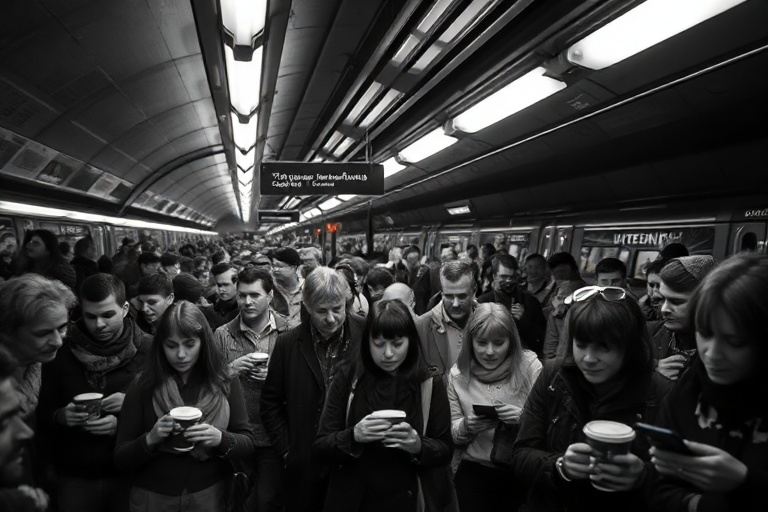
For Londoners, the Tube is more than a transit system; it’s a lifeline. Over 3 million people use it daily, and disruptions can paralyze the city. The last major Tube strike in 2017 cost the London economy an estimated £30 million per day. This time, the stakes are even higher. Summer is peak tourist season, and London’s hospitality and retail sectors rely heavily on seamless transit to keep visitors moving. A prolonged strike could deter tourists, strain local businesses, and force commuters to seek costly alternatives like ride-sharing or cycling.
The cultural impact is equally significant. London’s identity is intertwined with its public transit. The Tube’s iconic map, designed by Harry Beck in 1933, is a symbol of the city’s modernity and efficiency. When the system falters, it’s not just a logistical issue—it’s a psychological one. Londoners take pride in their ability to navigate the city’s chaos, and strikes force them to confront the fragility of that system.
Tourists, too, feel the pinch. London’s top attractions—like the British Museum, Buckingham Palace, and the West End—are all accessible via the Tube. A strike could force visitors to reconsider their itineraries, opting for attractions closer to their accommodations or spending more on taxis. The hospitality industry, already grappling with rising costs, could see a drop in foot traffic, further complicating recovery from the pandemic.
How Cities Around the World Handle Transit Strikes
London’s struggles with Tube strikes are part of a global pattern. Cities with robust public transit systems often face similar challenges, balancing worker rights with operational stability. Here’s how a few cities have dealt with transit strikes in recent years:
- Paris, France: The Paris Metro has seen frequent strikes, often over pension reforms and pay disputes. In 2023, a 12-day strike disrupted service for millions, leading to widespread criticism of the government’s handling of the crisis. Paris has responded by investing in automation and expanding nighttime service to reduce reliance on human labor.
- Berlin, Germany: German transit workers staged a series of strikes in 2023, demanding higher wages. The strikes paralyzed rail travel for weeks, prompting the government to intervene with emergency funding. Berlin’s approach has focused on negotiated settlements, though tensions remain high.
- New York City, USA: The New York City Subway has faced multiple strikes over the years, most recently in 2005. To prevent future disruptions, the city has implemented strict labor laws and invested in alternative transit options like bike-sharing and bus rapid transit.
- Tokyo, Japan: Tokyo’s transit system is renowned for its punctuality and efficiency. Strikes are rare due to strong labor-management relations and a culture of consensus-building. When disputes arise, they’re often resolved quickly to avoid disrupting the city’s rhythm.
Each city’s response reflects its unique economic and political landscape. In Tokyo, the emphasis is on harmony and efficiency, while in Paris and Berlin, strikes are seen as a necessary tool for workers to assert their rights. London’s situation falls somewhere in between, with a mix of public funding constraints and strong union presence.
What’s Next for London’s Tube
The immediate future hinges on negotiations between TfL and the unions. If a deal isn’t reached soon, the strikes could extend into the summer, compounding the disruptions. London’s mayor, Sadiq Khan, has called for calm and urged both sides to find a compromise. Meanwhile, TfL has begun contingency planning, including increased bus services and temporary bike lanes to mitigate the impact.
For commuters, the best strategy is to stay informed. TfL’s website and app provide real-time updates on service changes, and alternative routes can often bypass the most congested areas. Some Londoners may also explore flexible work arrangements, such as staggered hours or remote work, to avoid peak travel times.
The strikes also raise broader questions about the future of London’s transit. With climate change driving a push for greener transportation, the Tube’s role is more critical than ever. Yet, its ability to meet demand hinges on resolving labor disputes and securing sustainable funding. The coming weeks will test whether London can strike a balance between its workers’ rights and the city’s need for reliable transit.
As the world’s cities grow more interconnected, their transit systems must adapt to new challenges. London’s Tube strikes are a reminder that even the most iconic public services are not immune to the pressures of modern life. The outcome of these labor disputes could set a precedent for how cities worldwide navigate the intersection of worker rights, economic constraints, and public service reliability.
For more on urban transit systems and their global challenges, explore our News and Travel sections.