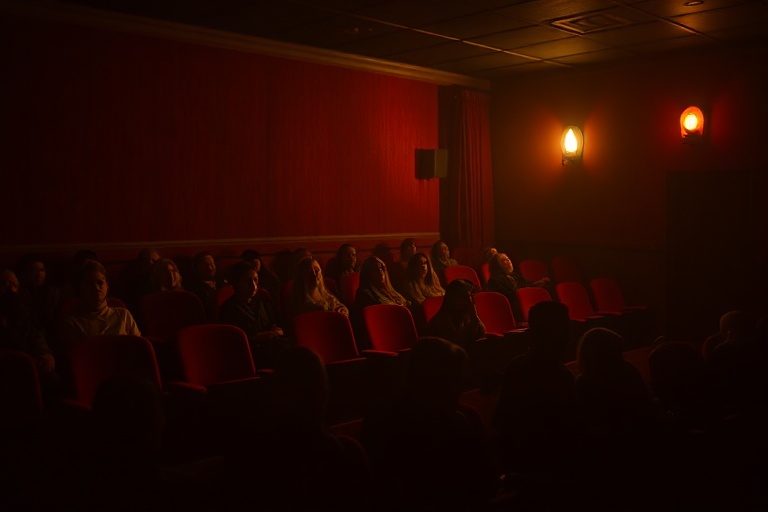
Secret Cinema has emerged as a cultural force, blending cinema with live performance to create experiences that linger long after the final scene. Unlike traditional movie screenings, these events transform familiar narratives into participatory adventures, where audiences become part of the story. The concept isn’t entirely new—immersive theater has roots in the 1960s with productions like The Living Theatre—but Secret Cinema has refined the formula for the digital age.
The London-based company, founded in 2007 by Fabien Riggall, has since expanded to cities like Los Angeles, Paris, and Berlin. Its productions, such as The Empire Strikes Back and Back to the Future, have drawn thousands of attendees who pay not just for a ticket but for an escape from the ordinary. What began as a niche experiment in experiential entertainment now sits at the intersection of film, theater, and fandom, challenging how we consume stories.
The Mechanics of Secret Cinema: How It Works
At its core, Secret Cinema is about secrecy and immersion. Attendees receive cryptic clues about the film’s theme, location, and narrative weeks before the event. Upon arrival, they’re handed props, costumes, or character assignments that encourage them to engage with the story. The screening itself unfolds in an elaborately designed environment—whether a 1980s shopping mall for Back to the Future or a dystopian wasteland for Blade Runner—where the audience’s actions can influence the outcome.
This level of detail requires months of planning. Teams of set designers, actors, and technicians recreate iconic film sets down to the smallest prop. For example, the Star Wars event in 2017 featured a fully operational cantina, complete with droids and costumed staff who interacted with guests. The result is an experience that feels like stepping into the film itself, blurring the line between spectator and participant.
Here’s how the experience typically unfolds:
- Pre-event mystery: Attendees receive fragmented emails, puzzles, or ARG (alternate reality game) elements that hint at the film’s identity or theme.
- Arrival and transformation: Upon entering the venue, guests are given costumes, props, or character backstories that encourage role-playing.
- Pre-show activities: Before the screening begins, there’s often live music, performances, or interactive installations that deepen the immersion.
- The main event: The film is screened in a way that integrates the live elements—characters may appear on stage, or the audience’s reactions could trigger changes in the projection.
- Post-event reflection: After the credits roll, attendees often gather to discuss their experiences, share photos, and dissect hidden details.
The Psychology Behind the Appeal
The success of Secret Cinema hinges on a few psychological triggers. First, there’s the allure of exclusivity. The secrecy surrounding the events—from undisclosed venues to cryptic marketing—creates a sense of insider status. In an era where content is endlessly accessible, scarcity drives demand. Attendees aren’t just watching a movie; they’re unlocking a secret.
Then there’s the power of nostalgia. Many Secret Cinema events center on beloved films, tapping into childhood memories or cultural touchstones. By recontextualizing these stories in a live setting, the experience becomes a form of emotional time travel. It’s not just about seeing E.T.; it’s about experiencing the wonder of the film’s world firsthand.
But perhaps the most compelling factor is agency. Traditional cinema is a passive experience—you sit, watch, and leave. Secret Cinema flips that dynamic. When you’re given a prop or a role, you become an active participant in the narrative. This taps into a deeper human desire: to feel seen, to belong, and to influence outcomes. Studies in immersive theater, like those conducted by the Immersive Experiences Alliance, suggest that audiences remember these events more vividly because they’re emotionally invested.
Broader Implications: Is This the Future of Entertainment?
Secret Cinema’s model has implications far beyond niche film screenings. It reflects a broader shift in how audiences crave connection in an increasingly digital world. The COVID-19 pandemic accelerated this trend, as people sought out offline experiences that felt meaningful. Immersive events like Secret Cinema, escape rooms, and interactive theater productions have filled that void.
For the film industry, Secret Cinema offers a lifeline in an era of streaming dominance. Studios are increasingly partnering with immersive experiences to promote releases. Disney, for example, has experimented with Star Wars and Marvel pop-up events that mimic the Secret Cinema formula. These collaborations blur the lines between marketing and art, creating new revenue streams for franchises.
However, the model isn’t without challenges. The high production costs—Secret Cinema’s events can run into the millions—mean ticket prices are often steep. There’s also the risk of alienating casual fans who may not want to commit to a multi-hour immersive experience. And as the concept becomes more mainstream, the element of surprise risks dilution. How long can secrecy last when competitors like Meow Wolf and Sleep No More are also pushing boundaries?
Yet, Secret Cinema’s enduring appeal suggests that the hunger for tactile, communal experiences isn’t fading. In a world where algorithms dictate what we watch, Secret Cinema offers something rare: unpredictability. It reminds us that stories aren’t just to be consumed—they’re to be lived.
What’s Next for Secret Cinema?
As Secret Cinema expands, its future may lie in even more ambitious projects. Rumors have circulated about events based on non-film properties, such as video games or literature, which could attract new audiences. There’s also potential for hybrid digital-physical experiences, where online communities collaborate to solve puzzles that unlock in-person events.
What’s clear is that Secret Cinema has tapped into a fundamental truth about entertainment: people don’t just want to watch stories—they want to be part of them. Whether this model scales globally remains to be seen, but its impact is undeniable. It’s redefining what it means to go to the movies.
For those willing to embrace the mystery, the rewards are unforgettable. As one attendee of the Blade Runner event put it: “I didn’t just watch the film. I lived in its world for a night.” And that’s an experience no streaming service can replicate.
Explore more immersive entertainment experiences on Dave’s Locker Events.
Curious about the technology behind immersive experiences? Check out our Technology category for deeper analysis.