GCSE Exams Cancelled: Lasting Impact on Students and Schools
How the Cancellation of GCSE Exams Reshaped Education for Millions
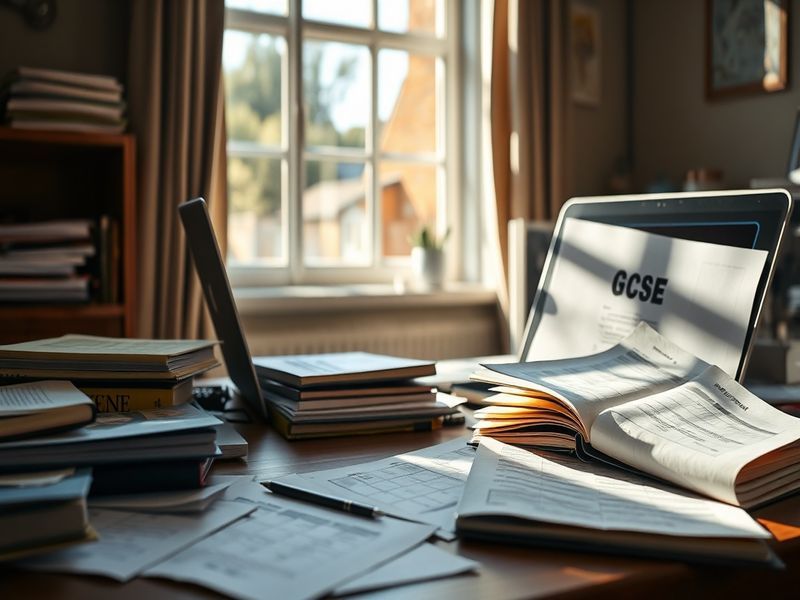
The cancellation of GCSE exams in 2020 marked a turning point in the history of British education. When the COVID-19 pandemic forced schools to close, the traditional examination system faced an unprecedented challenge. Instead of relying on standardized tests, the UK government turned to teacher assessments, a decision that sparked both relief and controversy among students, educators, and parents.
The move was not unique to the UK. Across Europe and beyond, education systems scrambled to adapt. Countries like France and Italy also suspended final exams, opting for alternative assessment methods. The global disruption highlighted the fragility of education systems reliant on high-stakes testing, revealing deep inequalities in access to resources and support.
The Immediate Impact on Students and Schools
For the 2020 cohort, the cancellation brought both anxiety and opportunity. Students who had spent years preparing for GCSEs suddenly found themselves without a definitive measure of their progress. Teachers were tasked with grading students based on coursework, mock exams, and predicted grades—a process fraught with subjectivity and potential bias.
Schools, already stretched by the pandemic, had to navigate complex guidelines. Some institutions struggled to maintain consistency in grading, leading to disparities between different regions and socioeconomic backgrounds. The lack of standardized testing also raised concerns about fairness. How could students from under-resourced schools compete with those from well-funded institutions when assessments relied heavily on teacher discretion?
In response to these challenges, the UK government introduced a controversial algorithm to standardize grades. The system, however, backfired spectacularly. Thousands of students saw their predicted grades downgraded, sparking outrage and protests. The government was forced to U-turn, reverting to teacher-assessed grades—a rare admission of policy failure in education.
A Global Perspective: How Other Countries Adapted
The cancellation of GCSE exams was part of a broader global trend. In the United States, Advanced Placement (AP) exams were also disrupted, with some states opting for online testing while others canceled them entirely. Meanwhile, in India, the cancellation of Class 10 and 12 board exams led to months of uncertainty, culminating in a Supreme Court intervention to ensure fairness.
Europe presented a mixed response. Germany, known for its vocational education system, leaned heavily on practical assessments and apprenticeship evaluations. In contrast, countries like Spain and Portugal relied more on continuous assessment, emphasizing the importance of ongoing teacher-student interactions. The pandemic forced these nations to rethink the role of standardized testing in education, with some considering long-term reforms.
In Asia, where exam culture is deeply entrenched, the cancellations were met with both relief and skepticism. South Korea, for instance, postponed its university entrance exams by a month but ultimately held them under strict safety protocols. China, meanwhile, shifted to online assessments, though concerns about cheating and accessibility persisted.
This global patchwork of responses underscored a critical truth: standardized testing, while widespread, was not the only path to evaluating student achievement. The pandemic exposed the limitations of rigid exam structures, prompting educators worldwide to explore more flexible and holistic assessment methods.
Long-Term Effects on Education Policy and Student Outcomes
The cancellation of GCSE exams had lasting implications for education policy. In the UK, the government announced a series of reforms aimed at reducing reliance on high-stakes testing. The introduction of the English Baccalaureate (EBacc) performance measure was scaled back, and there was renewed emphasis on vocational and technical education pathways.
For students, the shift highlighted the importance of resilience and adaptability. Those who thrived in the absence of exams often possessed strong self-motivation and time-management skills. Schools, too, had to adapt, investing in digital learning tools and alternative assessment strategies. The pandemic accelerated trends like blended learning, which had previously been slow to gain traction.
Yet, the long-term effects were not uniformly positive. Studies suggested that students from disadvantaged backgrounds faced greater setbacks due to limited access to technology and support during school closures. The digital divide became glaringly apparent, with many students struggling to participate in online classes or complete coursework without adequate resources.
Looking ahead, the education sector continues to grapple with the aftermath of the cancellations. Some argue that the pandemic proved that exams are not essential for measuring student achievement. Others contend that standardized testing remains a necessary benchmark for accountability and comparability across schools. The debate is far from settled, but one thing is clear: the traditional model of education is evolving.
What’s Next for GCSEs and Beyond?
As the world emerges from the pandemic, the question remains: Will GCSE exams ever return to their pre-2020 format? The government has hinted at a phased return to normality, but with safeguards in place to prevent future disruptions. Ofqual, the exams regulator, has emphasized the need for contingency plans, including remote testing options and digital assessment tools.
For students entering the system today, the lessons of 2020 are a reminder of the unpredictability of education. Schools are increasingly focusing on holistic development, incorporating soft skills like critical thinking and emotional intelligence into their curricula. The role of teachers as assessors has also been redefined, with greater emphasis placed on their ability to provide nuanced and individualized feedback.
The pandemic may have been a catalyst for change, but it also exposed deep-seated issues within the education system. Addressing these challenges will require collaboration between policymakers, educators, and communities. The future of GCSEs—and education as a whole—may look very different from what came before.
One thing is certain: the cancellation of GCSE exams in 2020 was more than just a temporary disruption. It was a moment that forced the world to rethink how we measure success in learning, and in doing so, it opened the door to new possibilities.
For more insights into how education systems adapt to global challenges, explore our coverage of Education on Dave’s Locker. You can also read about the broader implications of digital learning in our Technology section.