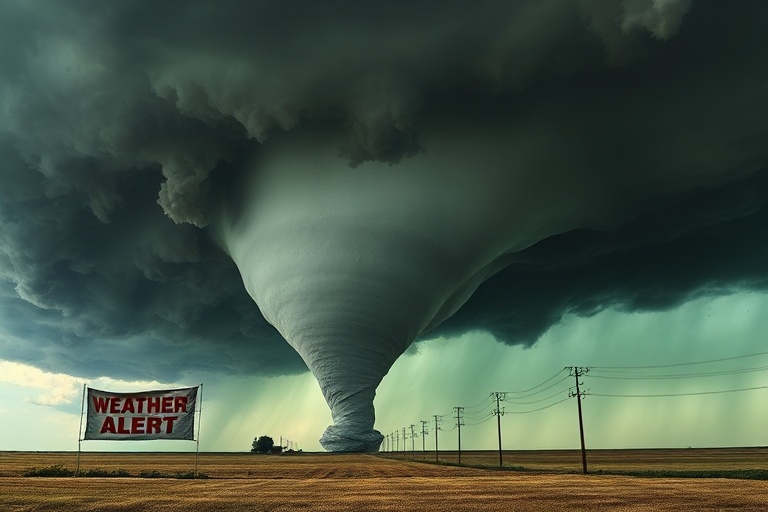
The National Weather Service issued a tornado warning for several counties in Nebraska on Tuesday evening, prompting residents to take immediate precautions. The warning covered areas including Lincoln, Seward, and Saline counties, with storm spotters reporting funnel clouds near the town of Wilber. While no injuries were reported at the time of this writing, the situation underscores the importance of preparedness in a state that frequently experiences severe weather.
Nebraska sits in the heart of Tornado Alley, a region prone to violent storms from spring through early summer. The state averages 50 to 60 tornadoes annually, with May and June being the peak months. This latest warning serves as a reminder of the unpredictable nature of severe weather and the need for vigilance.
What the Tornado Warning Entailed
The warning, issued at 6:47 p.m. local time, remained in effect until 7:30 p.m. Residents in the affected areas were advised to seek shelter immediately and stay tuned to local weather updates. The warning came after radar indicated rotation in the atmosphere, a key indicator of potential tornado formation. While the storm did not produce a confirmed tornado, the situation highlighted the rapid escalation of severe weather events in the region.
For many Nebraskans, these warnings are a familiar part of life. The state’s flat terrain and geographic location make it particularly vulnerable to tornadoes, which can develop with little warning. The National Weather Service’s Storm Prediction Center frequently places Nebraska under moderate to high risk categories during storm season, emphasizing the need for residents to stay informed.
Key Points to Remember During a Tornado Warning
- Seek Shelter Immediately: Head to a basement or interior room on the lowest floor of a sturdy building. Avoid windows and exterior walls.
- Stay Informed: Use a weather radio or smartphone alerts to receive real-time updates. Do not rely solely on outdoor sirens.
- Have a Plan: Know your safe room in advance and practice tornado drills with your family or household members.
- Prepare an Emergency Kit: Include water, non-perishable food, flashlights, batteries, a first-aid kit, and any necessary medications.
- Check on Neighbors: Ensure elderly or disabled neighbors are aware of the warning and have a way to receive alerts.
The Broader Implications of Severe Weather in Nebraska
Beyond the immediate threat to life and property, tornado warnings like the one issued on Tuesday can have lasting economic and psychological effects on communities. The cost of storm damage, including downed power lines, destroyed crops, and damaged infrastructure, can run into millions of dollars. In rural areas, where agriculture is the backbone of the economy, tornadoes can devastate livelihoods in a matter of minutes.
Psychologically, the constant threat of severe weather can take a toll on residents. Studies have shown that repeated exposure to tornado warnings and near-misses can lead to increased anxiety and stress, particularly among children. The uncertainty of not knowing whether a warning will escalate into a direct hit creates a persistent sense of vulnerability.
Local governments and emergency management agencies are increasingly focusing on mitigation strategies to reduce the impact of tornadoes. These efforts include improved building codes, public education campaigns, and investments in early warning systems. For example, the city of Lincoln has implemented a network of storm sirens and a mobile alert system to ensure residents receive timely notifications.
How Technology is Changing Tornado Preparedness
Advancements in technology are playing a crucial role in how Nebraskans prepare for and respond to tornado warnings. Doppler radar systems, such as those operated by the National Weather Service, provide meteorologists with detailed data on storm intensity and movement. This information is critical for issuing accurate warnings and reducing false alarms, which can lead to complacency among residents.
Smartphone apps and social media platforms have also transformed how people receive and share weather alerts. Apps like the American Red Cross’s Tornado App offer real-time notifications, safety tips, and even a “I’m Safe” feature to let loved ones know you’re unharmed. Social media platforms like Twitter and Facebook have become invaluable tools for disseminating information quickly during emergencies, often serving as a secondary source of updates when traditional communication channels are overwhelmed.
Drones equipped with high-resolution cameras are another innovation being used to assess storm damage and identify safe routes for emergency responders. These unmanned aerial vehicles can provide critical information in the aftermath of a tornado, helping to prioritize recovery efforts and locate stranded individuals.
Lessons Learned and Moving Forward
While Tuesday’s tornado warning did not result in a direct hit, it serves as a valuable case study for emergency planners and residents alike. The incident highlights the importance of community engagement in preparedness efforts. Local schools, businesses, and places of worship can all play a role in educating the public and ensuring that everyone knows what to do when a warning is issued.
For residents, the key takeaway is to treat every warning seriously, even if past warnings have not resulted in a tornado. The difference between a near-miss and a disaster can be a matter of minutes, and preparation is the best defense. By staying informed, having a plan, and supporting one another, Nebraskans can mitigate the risks posed by severe weather.
As climate patterns continue to evolve, the frequency and intensity of severe weather events may change. While scientists are still studying the potential impacts of climate change on tornadoes, one thing is clear: preparedness will remain critical. Investing in resilient infrastructure, improving early warning systems, and fostering a culture of safety are essential steps for communities in Tornado Alley.
For more insights into severe weather preparedness and real-time updates, visit Dave’s Locker Trending or Dave’s Locker News for the latest coverage.
Residents in Nebraska and beyond should remain vigilant as storm season progresses. The next warning could be the one that demands immediate action, and being prepared could make all the difference.