GTA VI Map Explained: Vice City’s Stunning Revival in Detail
The upcoming Grand Theft Auto VI has long been one of the most anticipated titles in gaming history. Rockstar Games has built a reputation for delivering expansive, meticulously crafted open worlds, and GTA VI promises to continue that tradition. At the heart of this experience is the GTA VI map, which revives the iconic setting of Vice City while expanding its boundaries with modern design principles and nostalgic nods to the past.
The map is not just a static backdrop—it’s a living, breathing environment that reflects the game’s themes of crime, ambition, and survival. Vice City, inspired by Miami, returns with heightened detail, from its neon-lit streets to its sprawling suburbs and untamed wilderness. This article explores the map’s structure, design choices, and how it sets the stage for the game’s narrative.
Vice City’s Layout: A Blend of Familiarity and Innovation
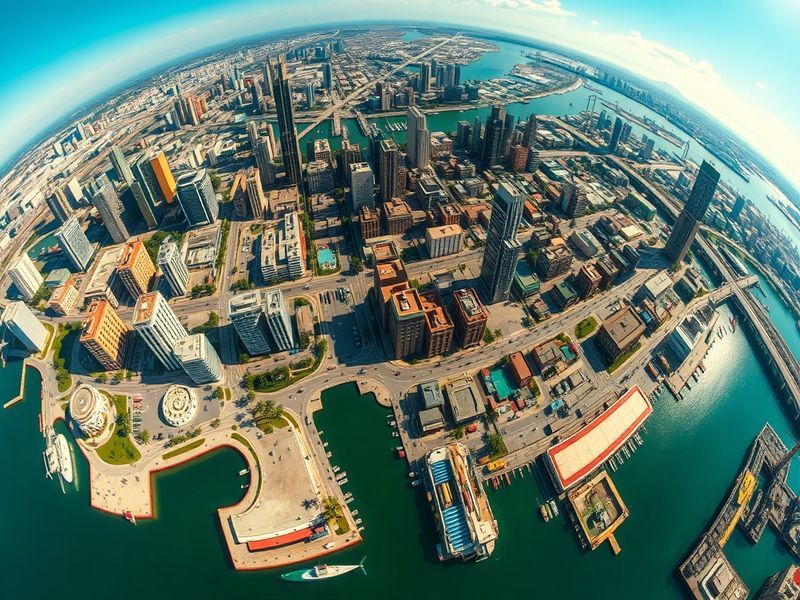
The return of Vice City is one of the most exciting aspects of GTA VI. Rockstar has taken the essence of the 2002 original and reimagined it for a new generation. The city is divided into distinct districts, each with its own personality and function. Downtown Vice City remains the bustling core, filled with skyscrapers, luxury apartments, and high-end nightclubs. This area serves as the game’s financial and social hub, where power players and criminals alike converge.
To the north lies the Vinewood Hills district, a wealthy enclave that mirrors real-world Beverly Hills. This area is characterized by sprawling mansions, golf courses, and private airstrips. It’s a stark contrast to the gritty underbelly of Vice City, offering both contrast and context for the game’s storylines. Meanwhile, the Little Havana district brings a vibrant cultural flair with its colorful storefronts, Cuban-inspired architecture, and bustling markets.
The map also introduces entirely new areas, such as the Island City and the Everglades. Island City, with its tropical beaches and luxury resorts, provides a playground for high-stakes heists and getaways. The Everglades, on the other hand, is a dense, swampy wilderness filled with hidden drug labs and smuggling routes. This diversity ensures that players always have something new to explore, whether they’re chasing missions or simply driving around to soak in the atmosphere.
Landmarks and Easter Eggs: Nostalgia Meets Modern Gaming
Rockstar is known for hiding Easter eggs and references to its past games, and GTA VI is no exception. The map is peppered with nods to previous titles, such as the return of the Sunshine Autos dealership from GTA Vice City and the Print Works building from GTA III. These small details reward longtime fans and add layers of depth to the world.
Another standout feature is the inclusion of real-world brands and locations. Vice City now hosts recognizable chains like Cluckin’ Bell, Binco, and Pay ‘n’ Spray, grounding the game’s fiction in a sense of familiarity. Even the city’s highways and bridges are designed with an eye for realism, making navigation feel intuitive and immersive.
For those who loved the original Vice City, the map offers a mix of nostalgia and evolution. The iconic Washington Beach and Viceport return, but with updated textures, lighting, and interactive elements. The city’s dynamic weather system further enhances the experience, with storms rolling in and out to change the mood of each district.
Gameplay Implications: How the Map Shapes the Experience
The GTA VI map isn’t just a pretty backdrop—it’s a functional tool that shapes gameplay in meaningful ways. The city’s size and variety encourage exploration, but its design also supports the game’s narrative. Missions are seamlessly integrated into the environment, with objectives ranging from high-speed chases through downtown to stealth infiltrations in the Everglades.
One of the most anticipated features is the game’s heist system, which relies heavily on the map’s diverse locations. Players can plan elaborate robberies that span multiple districts, using the city’s geography to their advantage. For example, a jewelry store heist in Downtown might require a quick escape via the nearby highway, while a bank job in Little Havana could involve blending into the crowd before making a getaway through the back alleys.
The map also introduces new mechanics, such as dynamic traffic and pedestrian AI, which make the world feel alive. NPCs go about their daily routines, and traffic patterns shift based on the time of day. These details might seem minor, but they contribute to the game’s sense of realism and immersion.
Another key aspect is the map’s verticality. Unlike previous GTA titles, GTA VI allows players to traverse buildings, rooftops, and underground tunnels. This adds a new layer of strategy to missions, as players can choose between ground-level stealth or high-altitude approaches. The inclusion of parkour mechanics further enhances this verticality, giving players more freedom to navigate the environment.
Technical Innovations: Bringing Vice City to Life
Rockstar has always pushed the boundaries of gaming technology, and GTA VI is no exception. The map is built using a proprietary engine that delivers stunning visuals, from realistic lighting and shadows to detailed textures and animations. The city’s draw distance is impressive, allowing players to see distant landmarks even from across the map.
The game’s day-night cycle is another standout feature. Vice City transforms as the sun sets, with neon signs flickering to life and nightclubs pulsing with music. The shift from day to night isn’t just cosmetic—it also affects gameplay. Some missions are timed to occur at specific hours, and certain areas become more dangerous after dark.
Performance is another area where GTA VI shines. The game runs smoothly on both consoles and PC, with minimal load times and seamless transitions between indoor and outdoor environments. Rockstar has also optimized the map for multiplayer modes, which are expected to be a major part of the game’s post-launch support.
Multiplayer and Future Updates
While GTA VI’s single-player campaign is the main attraction, the game’s multiplayer component is already generating buzz. The map is designed to support a variety of online modes, from competitive races to cooperative heists. Rockstar has hinted at regular updates that will add new locations, vehicles, and missions to keep the community engaged.
One of the most exciting possibilities is the introduction of user-generated content. If Rockstar follows the model set by GTA Online, players could eventually create and share their own missions, mods, and custom maps. This would extend the game’s lifespan and foster a thriving creative community.
Conclusion: A New Benchmark for Open-World Games
The GTA VI map is more than just a setting—it’s a character in its own right. Vice City’s revival is a masterclass in world-building, blending nostalgia with innovation to create an environment that feels both familiar and fresh. From its diverse districts to its dynamic gameplay mechanics, the map sets a new standard for open-world games.
As players prepare to step into this vibrant world, they can expect an experience that’s as immersive as it is challenging. Whether navigating the neon-lit streets of Downtown or trekking through the untamed Everglades, every corner of Vice City offers something new to discover. With its technical innovations and attention to detail, GTA VI’s map is poised to leave a lasting legacy in the gaming industry.
For fans of the series, it’s a dream come true. For newcomers, it’s an invitation to explore one of gaming’s most iconic worlds. Either way, the GTA VI map is a testament to Rockstar’s ability to evolve while staying true to its roots.