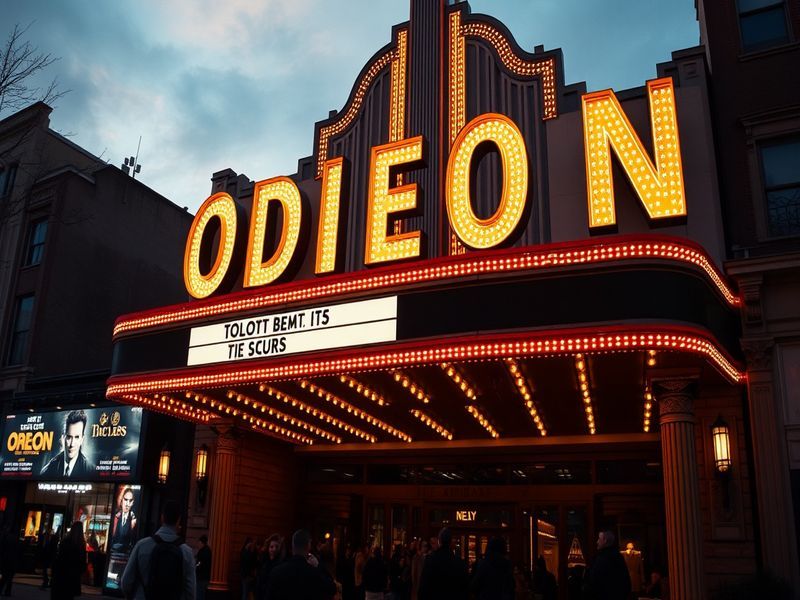
The Odeon cinema chain represents more than just a place to watch movies—it embodies a century of cinematic history, architectural innovation, and cultural significance. Founded in the United Kingdom in 1930, Odeon quickly became synonymous with the golden age of film exhibition. Today, it operates across Europe and beyond, blending tradition with modern cinema experiences. This legacy reflects broader trends in how societies consume entertainment, from communal viewing to immersive technologies.
The brand’s name itself carries historical weight. Derived from the ancient Greek word “odeon,” meaning a theater for musical performances, Odeon symbolizes a space where art and audience converge. Over the decades, the chain has adapted to changing tastes and technologies while maintaining its identity as a hub for cinematic culture. Its global presence offers a lens into how film exhibition evolves alongside societal shifts.
The Origins and Early Growth of Odeon
Odeon was established by Oscar Deutsch, a cinema enthusiast who envisioned a chain of high-quality theaters. His first venue, the Odeon Leicester Square in London, opened in 1937 and set a new standard for opulence and comfort. The cinema’s art deco design and luxurious interiors reflected the aspirations of interwar Britain, offering patrons an escape from economic hardship.
By the 1940s, Odeon had expanded rapidly, acquiring numerous independent theaters across the UK. The chain’s growth mirrored post-war reconstruction efforts, as communities sought spaces to rebuild social connections. Odeon’s model prioritized accessibility, ensuring films reached audiences beyond major cities. This strategy laid the foundation for its enduring influence in European cinema culture.
Key milestones in Odeon’s early history include:
- 1930: Founding by Oscar Deutsch in the UK.
- 1937: Opening of the Odeon Leicester Square, a flagship venue.
- 1940s: Rapid expansion during and after World War II.
- 1950s: Introduction of widescreen and 3D technologies.
The chain’s commitment to innovation extended to its programming. Odeon played a pivotal role in introducing foreign films to British audiences, broadening cultural horizons. This approach aligned with post-war efforts to foster understanding across borders, reinforcing cinema’s role as a global language.
The Evolution of the Odeon Experience
As television threatened to diminish cinema attendance in the 1950s and 1960s, Odeon adapted by enhancing the in-theater experience. The introduction of widescreen formats like CinemaScope and widescreen projection systems kept audiences returning. Odeon also pioneered the “megaplex” concept, combining multiple screens under one roof to accommodate diverse tastes.
By the late 20th century, Odeon faced new challenges from home video and digital piracy. However, its response—embracing luxury and exclusivity—helped redefine the cinema experience. The rise of premium formats like IMAX and 4DX further cemented Odeon’s reputation as a destination for immersive entertainment.
Today, Odeon’s offerings include:
- Standard and premium seating options.
- Dolby Atmos and IMAX screenings for enhanced audio-visual quality.
- Themed events, such as classic film revivals and director Q&As.
- Partnerships with streaming platforms for exclusive premieres.
This evolution reflects a broader industry trend: the cinema as an event rather than merely a venue. Odeon’s ability to balance tradition with innovation underscores its relevance in an era dominated by on-demand content.
Odeon’s Role in Global Cinema Culture
While Odeon began in the UK, its influence extends across Europe and beyond. The chain’s international expansion in the 1980s and 1990s introduced its brand of cinematic excellence to new markets. In Germany, for example, Odeon’s acquisition of local chains revitalized historic theaters, blending British heritage with local architectural styles.
Odeon’s global presence also highlights the importance of localization. While blockbusters dominate programming, the chain prioritizes regional films to reflect local tastes. This approach fosters cultural exchange and supports filmmakers outside mainstream industries. For instance, Odeon’s Scandinavian branches often feature Nordic cinema, introducing audiences to critically acclaimed yet underrepresented works.
The chain’s commitment to accessibility extends to its pricing models. Odeon frequently partners with community organizations to offer discounted screenings for students, seniors, and low-income families. This inclusivity aligns with cinema’s historical role as a democratic space for all audiences.
The Future of Odeon in a Digital World
As streaming services reshape how audiences consume films, Odeon faces both challenges and opportunities. The pandemic accelerated the decline of traditional cinema attendance, but Odeon’s response—prioritizing safety and innovation—demonstrated resilience. The chain introduced contactless ticketing, enhanced cleaning protocols, and hybrid release strategies to adapt to changing behaviors.
Looking ahead, Odeon is poised to leverage technology while preserving its core identity. The integration of augmented reality (AR) and virtual reality (VR) could redefine the cinema experience, blending physical and digital realms. For example, AR-enhanced screenings might offer behind-the-scenes insights or interactive elements, deepening audience engagement.
Odeon’s future may also involve deeper collaborations with filmmakers. Exclusive premieres and director-led discussions could attract cinephiles seeking unique experiences. By positioning itself as both a guardian of cinematic tradition and a pioneer of innovation, Odeon can continue thriving in an evolving landscape.
For those interested in the broader trends shaping global cinema, exploring the intersection of technology and entertainment reveals how chains like Odeon adapt. The Entertainment section on Dave’s Locker offers insights into these dynamics, highlighting the forces driving change in the industry.
Conclusion: Odeon’s Enduring Legacy
Odeon’s century-long journey encapsulates the evolution of cinema itself—from communal gatherings to high-tech experiences. Its ability to adapt while preserving its essence speaks to the enduring power of film as a cultural force. As audiences navigate an increasingly digital world, Odeon remains a testament to the magic of shared storytelling.
The chain’s legacy is not merely in its buildings or technologies but in its role as a witness to history. From wartime escapism to modern-day blockbusters, Odeon has provided a stage for stories that resonate across generations. In doing so, it has cemented its place as more than a cinema—it is a cultural institution.