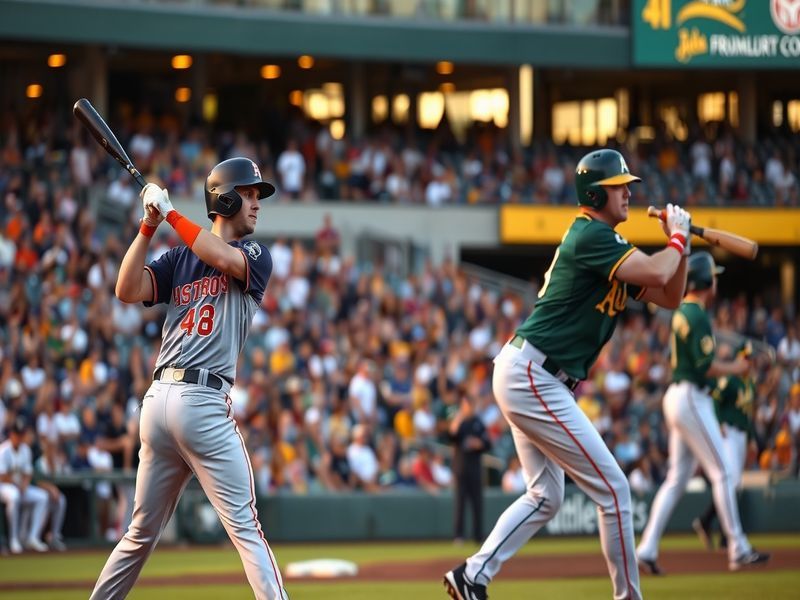
Baseball’s Astros vs Athletics rivalry transcends the diamond. It’s a collision of philosophies, cultures, and evolving technologies that shape modern sports. While the teams have met over 1,200 times since 1968, their current rivalry is less about tradition and more about innovation.
The Houston Astros, with their analytics-driven approach, represent baseball’s future. The Oakland Athletics, once the model of efficiency, now embody the tension between tradition and transformation. This rivalry isn’t just about wins and losses—it’s a global case study in how sports adapt to economic, technological, and cultural shifts.
The Origins of a New Kind of Baseball War
The Astros moved from the National League to the American League in 2013, placing them on a collision course with the Athletics. But the real shift occurred off the field. Houston embraced analytics under general manager Jeff Luhnow, building a team through data and high-tech player development. The A’s, under Billy Beane, had pioneered this approach a decade earlier, turning small-market limitations into a blueprint for success.
This clash of ideologies created a rivalry unlike any other in sports. One team bet everything on numbers. The other bet on numbers first, but now struggles to compete in a league where every franchise has access to the same tools.
The Global Influence of the Astros’ Model
Major League Baseball has always been a global sport, but the Astros accelerated its internationalization. Houston’s front office aggressively scouted Latin America and Asia, signing players like José Altuve and Yordan Alvarez. Their success proved that small-market teams could dominate by thinking globally, not just locally.
This strategy has inspired clubs worldwide. In Japan, teams like the Yomiuri Giants now blend traditional scouting with advanced metrics. In the Dominican Republic, academies are being rebuilt with biomechanics labs and sleep-tracking technology. The Astros didn’t just win—they redefined what it means to build a team in the 21st century.
The Athletics, meanwhile, once celebrated for their resourcefulness, now face a different challenge: relevance. With their stadium situation unresolved and payroll stagnant, Oakland’s ability to compete hinges on whether their old-school creativity can outmaneuver Houston’s data-driven machine.
How Culture Shapes the Rivalry Beyond the Field
Sports reflect the cities they represent. Houston, a sprawling metropolis of energy and ambition, mirrors the Astros’ aggressive, forward-looking identity. Oakland, a city of activism and grassroots resilience, has long seen the A’s as part of its fabric—despite the team’s desire to leave.
This cultural divide plays out in fan engagement. Astros games draw crowds from diverse backgrounds, reflecting Houston’s booming immigrant population. The A’s, while beloved, struggle to maintain the same connection in a city where sports loyalties are just one of many competing identities.
Internationally, the rivalry has taken on symbolic meaning. In Japan, where baseball is deeply rooted, the Astros’ success has been celebrated as proof that global talent can thrive in MLB. The A’s, with their smaller international footprint, represent a fading era—one where underdogs relied on scrappy innovation rather than financial leverage.
The Fan Experience: From Ballpark to Broadcast
Watching the Astros isn’t just about the game—it’s about the experience. Minute Maid Park, with its retractable roof and downtown location, offers a modern, immersive atmosphere. The A’s, playing in a stadium that’s been home to three different cities, struggle to create the same consistency.
Globally, streaming has changed how fans engage. MLB’s international broadcasts have made every game accessible, turning local rivalries into global conversations. A fan in Tokyo can debate a play with someone in Houston or Oakland in real time, making this rivalry more than just a regional story—it’s part of baseball’s global narrative.
The Future of the Rivalry in a Changing League
The Astros vs Athletics rivalry is at a crossroads. Houston continues to invest in technology, from AI-driven scouting to biomechanics labs. The A’s, meanwhile, are fighting for their future in Oakland while exploring relocation. The gap between the two teams reflects a broader trend in baseball: the haves and have-nots.
But baseball’s future isn’t just about money. It’s about identity. The Astros represent the league’s globalization. The A’s represent its soul. Whether they meet in the playoffs or not, their rivalry tells a larger story about where the game is headed—and who gets to decide.
One thing is certain: this isn’t just a battle between two teams. It’s a reflection of baseball’s evolution, where data, culture, and commerce collide on the field and beyond.
What’s Next for Both Teams?
The Astros are built to contend. With a core of young stars and a front office that never stops innovating, they’re positioned to remain a powerhouse. The question isn’t whether they’ll win—it’s how they’ll adapt as the league changes.
The Athletics, however, face existential challenges. Without a new stadium and with payroll constraints tightening, their ability to compete is in question. Their future may depend on whether they can rediscover the magic that once made them the model of efficiency—or if they’ll become a cautionary tale.
One thing is clear: the Astros vs Athletics rivalry isn’t just about baseball. It’s about the future of sports, where data, culture, and commerce collide in ways that redefine what it means to play the game.
For fans around the world, that makes every pitch, every swing, and every decision more than just a moment in a season—it’s a glimpse into the soul of the sport.
As the rivalry evolves, so does baseball. And the world is watching.
For more on the evolving landscape of baseball analytics, visit our Sports section.
To explore how international talent is reshaping MLB, check out our Culture category.