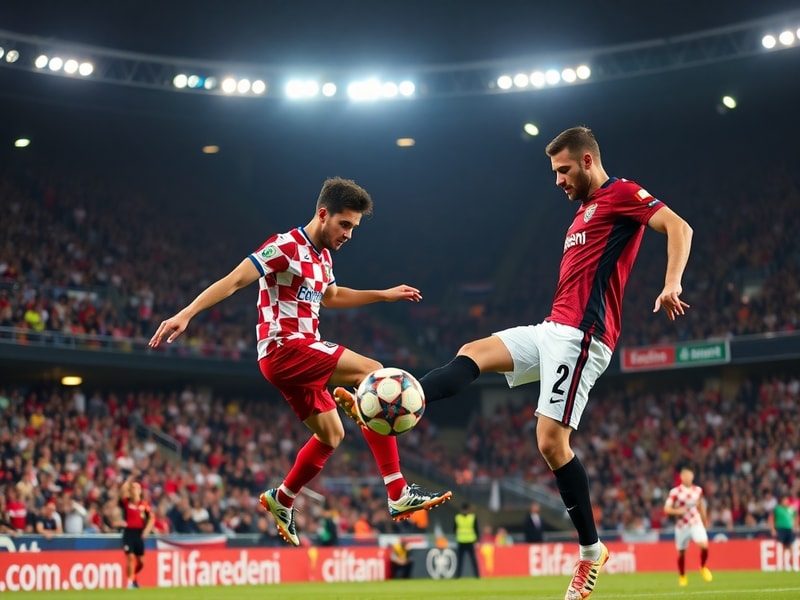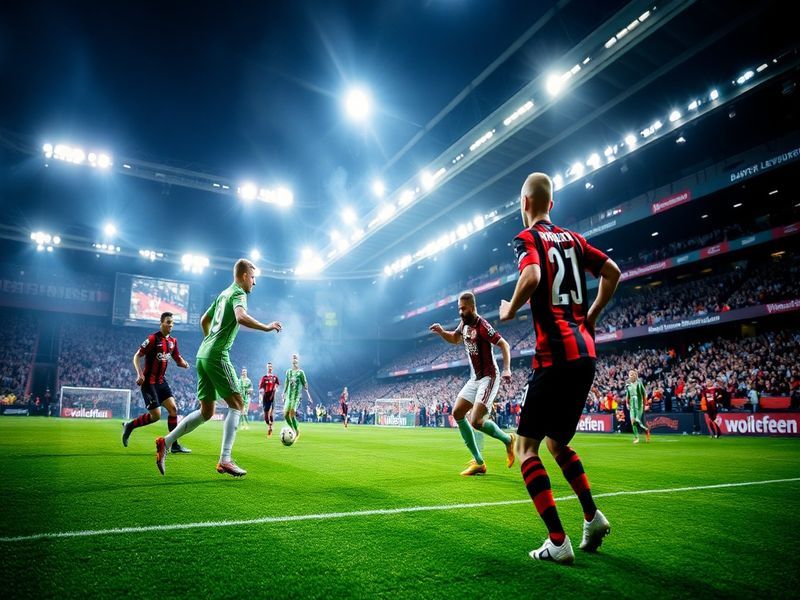
Bayer Leverkusen vs Wolfsburg: A Clash of Rising Ambitions
The Bundesliga continues to evolve beyond its traditional powerhouses, and few matchups embody this shift as clearly as Bayer Leverkusen versus Wolfsburg. Once considered mid-table sides, both clubs have transformed into consistent European contenders, their rivalry reflecting broader trends in German football. This isn’t just a local derby—it’s a collision of tactical innovation, financial strategy, and global ambition.
Leverkusen’s rise under Xabi Alonso has been one of European football’s most compelling stories. The former Real Madrid midfielder took over in 2022 and immediately implemented a possession-based system that prioritizes technical precision over physicality. Wolfsburg, meanwhile, has carved its own identity through smart recruitment and a clear footballing philosophy under Niko Kovač. These contrasting approaches make their encounters fascinating tactical battles.
The Tactical Evolution of Two Bundesliga Outliers
Alonso’s Leverkusen play a high-pressing, positional game that demands technical excellence from every player. Their 4-2-3-1 formation often stretches play wide, using full-backs as auxiliary wingers to exploit defensive weaknesses. The team’s midfield pivot, typically featuring Granit Xhaka and Robert Andrich, controls tempo with short, incisive passes that break down compact defensive blocks.
Wolfsburg, under Kovač, operates with a more flexible 3-4-2-1 or 3-5-2 system. The side prioritizes quick transitions and verticality, with wing-backs providing both defensive cover and attacking width. Players like Ridle Baku and Mattias Svanberg excel in these roles, offering dynamism that contrasts Leverkusen’s structured approach. Their tactical identity reflects Wolfsburg’s broader strategy: blending youth development with astute signings.
- Leverkusen’s strengths: Technical superiority, positional discipline, and a forward-thinking footballing brain in Alonso.
- Wolfsburg’s strengths: Athletic versatility, transitional speed, and adaptability in system switches.
- Key tactical battlegrounds: Midfield duels, full-back vs. wing-back matchups, and set-piece efficiency.
A Global Football Phenomenon: How Two Clubs Redefined German Football
The Bundesliga’s global appeal has grown significantly in the past decade, driven partly by clubs like Leverkusen and Wolfsburg. While Bayern Munich and Borussia Dortmund remain the league’s most visible brands, these two clubs have become case studies in sustainable success. Leverkusen’s model—built on youth development and smart investments—has drawn comparisons to clubs like Brighton in the Premier League. Wolfsburg, meanwhile, has demonstrated how a mid-sized club can compete consistently by leveraging its financial stability and clear sporting project.
Both clubs have also benefited from Germany’s evolving football culture. The country’s decision to invest in infrastructure post-2006 World Cup success created modern stadiums and training facilities that attract talent. Leverkusen’s BayArena and Wolfsburg’s Volkswagen Arena are not just venues; they’re symbols of a footballing philosophy that values long-term vision over short-term gains.
Their European campaigns further highlight this shift. Leverkusen’s 2023-24 Champions League run, which included a quarterfinal appearance, showcased their ability to compete with Europe’s elite. Wolfsburg’s consistent Europa League performances, particularly under Kovač, underscore their status as a club that punches above its weight. These achievements resonate globally, reinforcing the Bundesliga’s reputation as a league of opportunity.
The Cultural Impact: Beyond the Pitch
Football is more than tactics and trophies—it’s a cultural force. Leverkusen, located in the Rhineland, represents a region known for its industrial heritage and multicultural communities. The club’s fanbase reflects this diversity, with supporters from Turkish, Italian, and Arab backgrounds contributing to a vibrant matchday atmosphere. Wolfsburg, a city built around Volkswagen’s headquarters, embodies modern Germany’s economic aspirations. The club’s fan culture, though smaller in scale, is deeply connected to the city’s identity as a hub of innovation.
These cultural dimensions add layers to the rivalry. Leverkusen’s working-class ethos contrasts with Wolfsburg’s corporate-backed stability, yet both clubs share a commitment to community engagement. Their academies produce players who often remain loyal to the club, fostering a sense of belonging that transcends results. In an era where football is increasingly commercialized, Leverkusen and Wolfsburg offer a refreshing alternative—clubs that balance ambition with authenticity.
What’s Next for This Rivalry?
The next chapter of this rivalry will be shaped by several factors. Leverkusen’s financial constraints could test their ability to retain key players, while Wolfsburg’s reliance on a few star performers may limit their consistency. Alonso’s future, though secure for now, remains a talking point given his international ambitions. Kovač, meanwhile, faces the challenge of rebuilding a squad that has seen significant turnover in recent seasons.
One thing is certain: this rivalry will continue to grow. As the Bundesliga expands its global footprint, matches like Leverkusen vs. Wolfsburg provide compelling narratives that resonate beyond Germany’s borders. For fans, these games offer more than points—they represent the future of German football, where tradition and innovation coexist.
For those looking to explore more about Germany’s evolving football landscape, our Sports section features in-depth analyses of Bundesliga trends and tactical innovations. Whether you’re a seasoned analyst or a casual observer, the story of Leverkusen and Wolfsburg is one worth following closely.
Conclusion
Bayer Leverkusen vs. Wolfsburg is more than a fixture—it’s a microcosm of modern football. These clubs represent the Bundesliga’s shift from a two-horse race to a league of diverse ambitions and tactical ingenuity. Their rivalry encapsulates the beauty of the sport: where underdogs can challenge giants, and where culture, strategy, and community intertwine. As they continue to push the boundaries of what’s possible in German football, one thing is clear—the best is yet to come.