dialed
What Does “Dialed” Really Mean in Modern Language?
In the digital age, slang terms often evolve rapidly, but “dialed” has maintained surprising consistency. Originally rooted in the mechanical precision of rotary phones, the term has expanded into everyday vernacular. Today, it signifies something that’s perfectly executed or precisely adjusted. Whether describing a flawless recipe, a perfectly timed joke, or a meticulously planned event, “dialed” carries an implicit sense of excellence through careful calibration.
Interestingly, the term’s persistence reflects a broader cultural appreciation for precision. In an era of instant communication and approximation, the idea of something being “dialed in” suggests intentional effort and mastery. This semantic shift mirrors how technical language often bleeds into casual conversation, enriching everyday expression with technical nuance.
The Technical Origins of a Slang Term
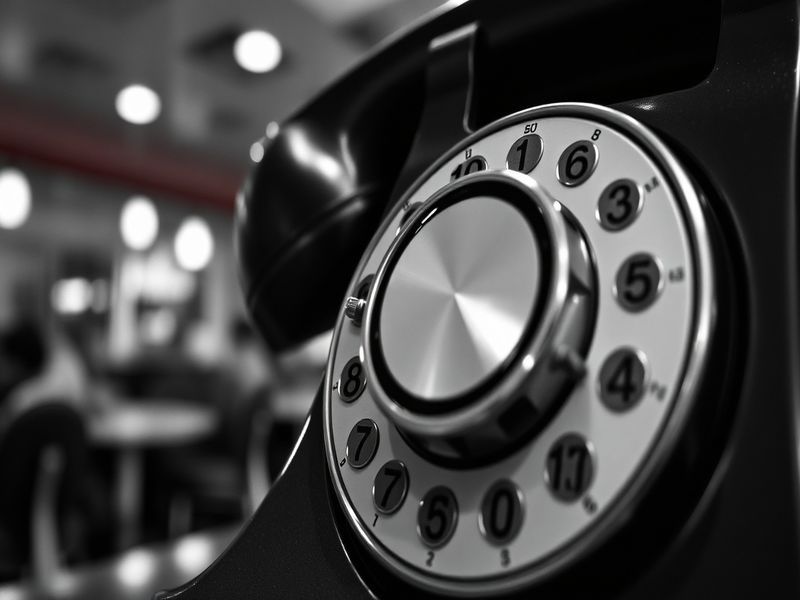
The word “dialed” traces its earliest usage to telephony. In the mid-20th century, telephone operators and engineers used “dialed” to describe calls that were connected without interference. The term referenced the physical action of dialing a number on a rotary phone, where precision mattered—misalignment could lead to wrong numbers or failed connections.
As technology advanced, the concept of dialing expanded beyond phones. Audio engineers adopted the phrase to describe perfectly tuned sound systems, where each component must be precisely calibrated for optimal performance. This technical application demonstrated how precision language crosses domains, from communication systems to entertainment technology.
By the 1990s and 2000s, the term had entered skateboarding and extreme sports culture. Skaters used “dialed” to describe a trick executed with perfect form and timing. This usage emphasized not just success but the meticulous technique behind it. The slang solidified its association with excellence through precision, a theme that persists today.
How “Dialed” Became a Versatile Cultural Term
The versatility of “dialed” lies in its adaptability. In music production, for example, a “dialed” mix refers to one where every element—bass, treble, reverb—is balanced for maximum impact. Producers speak of dialing in a sound, a process that requires both technical skill and artistic intuition. This usage bridges the gap between engineering and artistry.
In sports, commentators might say a basketball player’s shot was “dialed in,” meaning their mechanics were flawless and consistent. The term extends to mental preparation as well. Athletes and performers often describe being “dialed in” when they achieve a state of focused readiness, where technique feels automatic and execution is effortless.
Even in culinary circles, chefs use “dialed” to describe a dish where flavors are perfectly harmonized. The term implies that each ingredient has been adjusted to contribute precisely to the overall experience. This culinary usage highlights how “dialed” transcends mere success—it denotes a level of mastery where details are intentionally perfected.
The Psychology Behind Why We Love “Dialed”
The appeal of “dialed” lies in its psychological resonance. Cognitive psychology research suggests that humans are wired to appreciate precision and control. When something is described as “dialed,” it triggers a sense of order and competence. This linguistic shortcut allows us to quickly evaluate quality without exhaustive explanation.
Moreover, the term taps into the human desire for mastery. Psychologist Mihaly Csikszentmihalyi’s concept of “flow state” describes a mental state where a person is fully immersed in an activity, performing at their peak. When we say a performance is “dialed,” we’re often recognizing that flow state—the moment when skill and action become one.
Culturally, “dialed” also reflects our fascination with systems and optimization. In a world of algorithms and data analytics, the idea of something being perfectly tuned resonates deeply. It suggests that with enough effort and attention, excellence is achievable. This belief in perfectibility is both motivating and aspirational.
The Role of Social Media in Popularizing “Dialed”
Social media platforms have accelerated the adoption of terms like “dialed.” On platforms such as Twitter and Instagram, users often describe experiences or products with shorthand language to convey quality quickly. The brevity of “dialed” makes it ideal for character-limited posts, where users must convey meaning efficiently.
Influencers and content creators have further embedded the term into digital culture. A YouTuber might say their editing was “dialed” to emphasize the seamless flow of their video. A TikToker could describe a dance routine as “dialed” to highlight its flawless execution. This usage demonstrates how slang terms gain traction through repetition and association with digital creators.
Interestingly, social media has also led to some semantic drift. While originally tied to precision, “dialed” is sometimes used hyperbolically to describe anything that’s merely good. This evolution reflects how language adapts in digital spaces, where meaning can shift based on context and frequency of use.
When Precision Meets Hyperbole: The Fine Line of “Dialed”
Despite its versatility, “dialed” is not without critics. Some language purists argue that its broad usage dilutes its original meaning. When everything from a well-cooked meal to a smooth presentation is described as “dialed,” the term risks becoming a catch-all descriptor rather than a marker of true precision.
This semantic stretching is a common phenomenon in language evolution. Words like “awesome” and “epic” have similarly expanded from specific meanings to broad expressions of approval. While this can dilute precision, it also reflects the dynamic nature of language, where meaning evolves to serve communicative needs.
For businesses and creators, the term’s flexibility is both an advantage and a challenge. Marketers might use “dialed” to describe a product that’s finely tuned for consumer needs. However, overuse could lead to skepticism, as audiences grow weary of hyperbolic claims. The key lies in using the term judiciously to convey genuine attention to detail.
How to Use “Dialed” Effectively in Communication
If you’re incorporating “dialed” into your vocabulary, context matters. Here are a few guidelines to ensure its effective use:
- Technical Contexts: Use “dialed” when referring to something that requires precise calibration, such as audio equipment, mechanical systems, or athletic performance. For example, “The sound engineer dialed in the perfect bass levels for the concert.”
- Artistic Endeavors: In creative fields like music, film, or writing, “dialed” can describe a piece where every element is harmonized. For instance, “The film’s score was dialed, with each cue enhancing the emotional impact.”
- Experiential Descriptions: When recounting personal experiences, “dialed” can emphasize a moment of flawless execution. For example, “My presentation went dialed—every slide transition was seamless.”
- Avoid Overuse: Reserve “dialed” for situations where precision is genuinely relevant. Overapplying the term can dilute its impact and make communication less effective.
By following these guidelines, you can leverage the term’s nuance while maintaining its original intent. Whether in professional settings or casual conversation, “dialed” remains a powerful descriptor when used thoughtfully.
Conclusion: The Enduring Appeal of Precision Language
The term “dialed” exemplifies how language evolves to meet cultural and technological needs. From its technical origins to its modern slang usage, it reflects humanity’s enduring fascination with precision, mastery, and excellence. While its meaning continues to shift, the core idea remains: something that’s “dialed” is finely tuned, perfectly executed, and worthy of admiration.
In a world where approximation often suffices, “dialed” stands out as a reminder of the value of attention to detail. It challenges us to strive for excellence, whether in our work, our hobbies, or our daily interactions. As language continues to evolve, terms like “dialed” remind us that even in casual conversation, there’s room for precision and intentionality.
So the next time you encounter something truly excellent, consider using “dialed” to describe it. After all, in a world of shortcuts and approximations, precision deserves recognition.