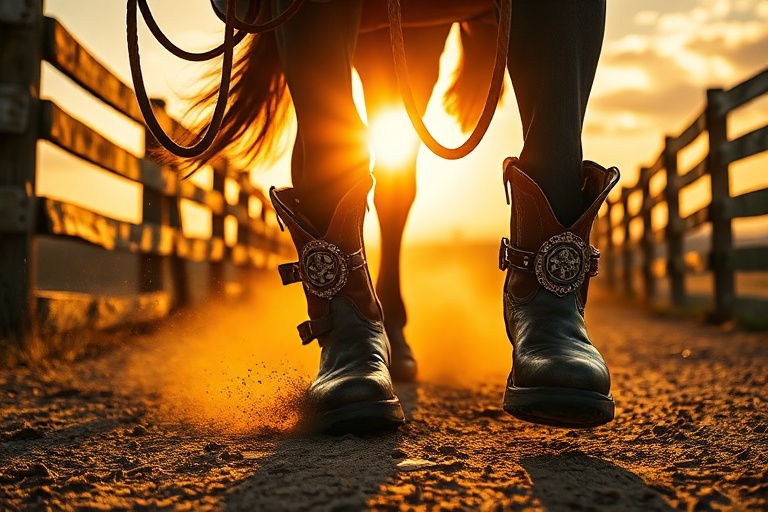
The Kinsky spurs represent more than just functional riding equipment. They embody a legacy of precision, tradition, and the unspoken bond between rider and horse. Originating in the 19th century, these spurs have evolved from utilitarian tools into symbols of equestrian excellence, favored by riders across disciplines from dressage to show jumping. Their distinctive design—characterized by a curved neck and a rowel that often features intricate engravings—sets them apart in a world of equestrian gear where functionality and aesthetics must coexist.
Unlike mass-produced spurs found in generic tack shops, Kinsky spurs are handcrafted by artisans who prioritize both form and function. This commitment to quality has cemented their reputation among serious equestrians, particularly those in the competitive arena. To understand their enduring appeal, it’s essential to explore their origins, the craftsmanship behind them, and their role in modern riding culture.
The Origins of Kinsky Spurs: A Legacy Rooted in Tradition
The story of Kinsky spurs begins in the mid-1800s, tied to the aristocratic equestrian culture of Central Europe. The name “Kinsky” is derived from the Kinsky family, a Bohemian noble lineage known for their passionate involvement in horse breeding and riding. Count Octavian Kinsky, a prominent figure in the 19th century, played a pivotal role in refining the design of these spurs. His influence transformed them from simple riding aids into objects of artistry and precision.
Originally, Kinsky spurs were designed for cavalry officers, where their durability and responsiveness were critical. The curved neck of the spur, a hallmark of the design, allowed for more nuanced communication with the horse, reducing the risk of accidental injury. Over time, as equestrian sports gained popularity, these spurs transitioned from military use to competitive riding, where their effectiveness and elegance made them a favorite among dressage riders and jumpers alike.
Their association with the Kinsky family also lent them a sense of prestige. The family’s stud farm in Bohemia became synonymous with high-quality horses, and the spurs they used became a status symbol among riders of the era. Today, collecting vintage Kinsky spurs is a niche passion, with enthusiasts seeking out pieces that carry the patina of history while still retaining their functional integrity.
Craftsmanship and Design: What Makes Kinsky Spurs Unique
At the heart of every pair of Kinsky spurs is a dedication to craftsmanship that is increasingly rare in the modern world. Unlike stamped or cast spurs, which are often produced in bulk, Kinsky spurs are meticulously forged by hand. This process begins with high-quality stainless steel or brass, materials chosen for their durability and resistance to tarnishing. The artisans who craft these spurs typically undergo years of apprenticeship, learning the nuances of shaping metal and refining the design to perfection.
The most recognizable feature of Kinsky spurs is the curved neck, which angles the rowel (the spiked wheel) toward the horse’s side. This design allows for subtler cues, enabling the rider to communicate with greater precision. The rowel itself is often finely toothed, providing a balance between sharpness and gentleness—critical for riders who demand responsiveness without causing discomfort to the horse.
Engravings and detailing are another hallmark of Kinsky spurs. Many feature intricate patterns, from floral motifs to geometric designs, reflecting the personal taste of the rider or the aesthetic preferences of the era in which they were made. Some modern artisans also incorporate engravings that tell a story, such as the rider’s initials or a symbol representing their equestrian discipline. This blend of functionality and artistry ensures that each pair of Kinsky spurs is not just a tool but a work of art.
Materials and Durability: Built to Last
The choice of material is a defining factor in the quality of Kinsky spurs. Traditional models are often made from brass, a metal that develops a rich patina over time, adding to their vintage appeal. Stainless steel, on the other hand, is favored for its resistance to corrosion and ease of maintenance, making it a practical choice for competitive riders. Some premium models even incorporate silver or gold plating, elevating their aesthetic while adding a layer of protection against wear.
Durability is non-negotiable for spurs, as they are subjected to constant pressure and friction. The way the rowel is attached—often with a solid rivet or screw mechanism—ensures that it remains secure even after prolonged use. High-quality Kinsky spurs are also designed to distribute weight evenly, reducing fatigue for both the rider and the horse. This attention to detail is why many riders consider these spurs an investment rather than a disposable piece of equipment.
The Role of Kinsky Spurs in Modern Equestrian Sports
In contemporary equestrian sports, Kinsky spurs have carved out a niche among riders who prioritize precision and subtlety. Dressage riders, in particular, favor these spurs for their ability to deliver nuanced aids. The curved neck design allows for cleaner leg aids, reducing the risk of accidental nudges or kicks that could disrupt the horse’s focus. Jumpers, too, appreciate the responsiveness of Kinsky spurs, especially when navigating tight turns or maintaining contact during a course.
However, their use is not without controversy. Some equestrian purists argue that spurs, regardless of their design, can be misused, leading to discomfort or even harm to the horse. Organizations like the International Federation for Equestrian Sports (FEI) have strict regulations on spur design and usage, prohibiting sharp rowels or excessive lengths that could cause injury. Kinsky spurs, when used correctly, comply with these standards, but riders must always prioritize their horse’s welfare over aesthetics or tradition.
A Cultural Symbol Beyond the Arena
Beyond their functional role, Kinsky spurs have also become cultural symbols within the equestrian community. They are often passed down through generations, carrying stories and memories of past riders. Collectors and historians prize them not just for their craftsmanship but for their connection to the broader narrative of equestrian tradition. In countries like Germany and Austria, where equestrian culture runs deep, Kinsky spurs are displayed in museums and private collections, celebrated as artifacts of a bygone era.
Social media has further amplified their visibility, with riders and collectors sharing images of vintage and modern Kinsky spurs online. Platforms like Instagram and Pinterest have become virtual galleries where enthusiasts showcase their prized possessions, often accompanied by stories about their provenance or the horses they’ve ridden with them. This digital renaissance has introduced Kinsky spurs to a new generation of riders, ensuring that their legacy continues to thrive.
Choosing the Right Kinsky Spurs: A Buyer’s Guide
For those considering adding a pair of Kinsky spurs to their tack collection, several factors should guide the decision. First and foremost is the rider’s discipline. Dressage riders may prefer a model with a shorter neck and finer rowel, while jumpers might opt for a slightly longer neck to accommodate quicker, more dynamic movements. The material is another critical consideration—brass for tradition and patina, stainless steel for durability, and plated metals for added elegance.
Fit is equally important. Spurs should sit snugly on the rider’s boot without wobbling, yet allow enough freedom of movement to avoid restricting the ankle. Many reputable dealers offer sizing guides or custom fittings to ensure a perfect match. It’s also wise to inspect the rowel’s sharpness and alignment, as a poorly made spur can cause more harm than good.
Below is a checklist of what to look for when purchasing Kinsky spurs:
- Material: Choose between brass, stainless steel, or plated options based on your needs.
- Rowel Design: Fine-toothed rowels are ideal for dressage, while coarser designs may suit jumping.
- Neck Length: Shorter necks offer precision, while longer necks provide more leverage.
- Engravings: Personalized designs can add a unique touch, but ensure they don’t compromise functionality.
- Brand Reputation: Purchase from trusted artisans or dealers with a track record in equestrian gear.
For those new to Kinsky spurs, starting with a mid-range model from a reputable brand can be a wise choice. As riders gain experience, they may choose to invest in custom-made spurs tailored to their specific preferences and riding style.
Conclusion: Why Kinsky Spurs Remain Timeless
In an era where disposable equestrian gear dominates the market, Kinsky spurs stand as a testament to the enduring value of craftsmanship and tradition. Their design, rooted in the practical needs of 19th-century cavalry riders, has adapted seamlessly to the demands of modern equestrian sports. What sets them apart is not just their functionality but their ability to tell a story—of heritage, precision, and the unbreakable bond between rider and horse.
For collectors, they represent a connection to the past. For competitive riders, they are indispensable tools that enhance performance without sacrificing ethics. And for the broader equestrian community, they serve as a reminder that greatness often lies in the details. Whether displayed in a tack room, used in competition, or passed down as an heirloom, Kinsky spurs continue to leave an indelible mark on the world of riding.
As equestrian sports evolve, so too may the designs of spurs, but the principles behind Kinsky spurs—precision, durability, and respect for the horse—will remain timeless. For those who understand their significance, these spurs are more than equipment; they are a legacy.
Explore more equestrian gear on Dave’s Locker to find high-quality tack and accessories for your riding needs.
Discover collectible equestrian items, including vintage spurs and memorabilia, to add to your collection.