salvador
From its colonial architecture to its vibrant Afro-Brazilian heritage, Salvador de Bahia remains one of Brazil’s most compelling destinations.
The Historic Heart of Salvador
Salvador, founded in 1549, was Brazil’s first capital and retains its colonial grandeur more vividly than any other city in the country. The Pelourinho district, a UNESCO World Heritage Site, showcases cobblestone streets lined with pastel-colored buildings, baroque churches, and ornate mansions that date back to the 17th and 18th centuries. Walking through Pelourinho feels like stepping into a living museum, where every corner tells a story of Portuguese rule, African influence, and Brazil’s complex colonial past.
The city’s most iconic landmark, the Pelourinho Cathedral, stands as a testament to this history. Its golden interior gleams under candlelight, a reminder of the wealth extracted during the sugar and gold booms. Nearby, the São Francisco Church dazzles with azulejo tiles depicting biblical scenes—each tile hand-painted by enslaved artisans. These structures are not mere relics; they are active participants in Salvador’s cultural narrative, hosting festivals, concerts, and religious processions year-round.
The contrast between opulence and hardship is stark. While Pelourinho thrives as a tourist hub, just a few blocks away, narrow alleyways reveal the daily lives of locals in neighborhoods like Maciel and Taboão. Here, the walls are adorned with murals celebrating Afro-Brazilian heroes, a visual reminder of the city’s identity as the heart of Brazil’s Black culture.
Afro-Brazilian Culture: The Soul of Salvador
More than half of Salvador’s population identifies as Black or mixed-race, a legacy of the transatlantic slave trade that brought over a million Africans to Bahia. This history is not confined to textbooks—it pulses through the city’s music, dance, food, and spirituality. Salvador is the epicenter of Candomblé, an Afro-Brazilian religion that blends Yoruba traditions with Catholicism, and the birthplace of capoeira, martial arts disguised as dance.
The sound of Salvador is as unmistakable as its architecture. The city is the home of axé music, a genre that blends samba, reggae, and Afro-Caribbean rhythms. Groups like Ilê Aiyê and Olodum have turned Salvador into the capital of Brazilian Carnival, where blocos (street bands) parade through the streets for days. Olodum’s Monday night rehearsals in the Pelourinho draw crowds of all ages, their drums echoing off the colonial walls in a rhythm that feels both ancient and electric.
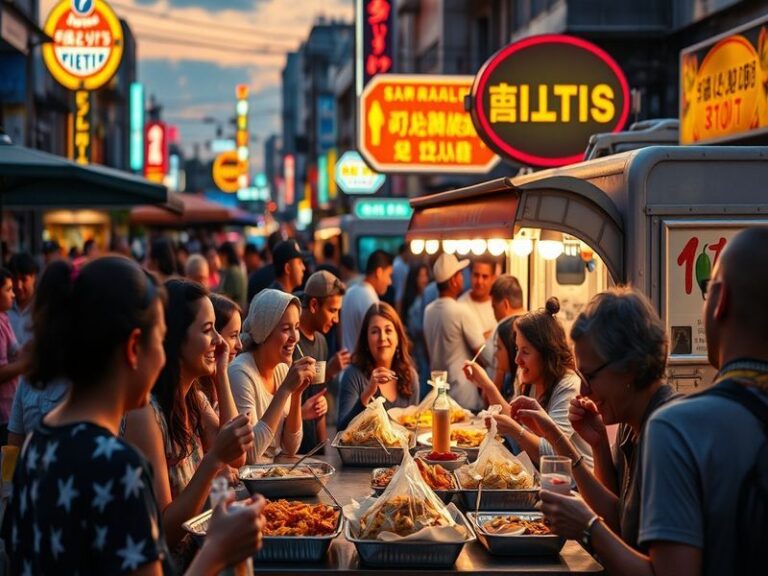
Food is another pillar of this cultural identity. Salvador’s cuisine is a fusion of African, Indigenous, and Portuguese influences, with dishes like moqueca (a seafood stew cooked in coconut milk and dendê oil) and acarajé (deep-fried black-eyed pea fritters stuffed with shrimp and spicy paste) defining the local palate. The Mercado Modelo, a bustling market near the port, sells everything from handmade crafts to ingredients for these iconic dishes, making it a must-visit for anyone seeking to understand Bahia’s flavors.
Key Cultural Experiences in Salvador
- Candomblé ceremonies: Attend a public or private ceremony to witness drumming, singing, and offerings to orixás (deities). The Casa Branca do Engenho Velho is one of the oldest terreiros (temples) in Brazil.
- Capoeira rodas: Watch or participate in a capoeira circle, where practitioners combine fighting, dance, and music in a dynamic display of skill and tradition.
- Carnival blocos: Join a local bloco like Filhos de Gandhy or Muzenza for a taste of Salvador’s legendary street parties, where thousands dance to axé rhythms.
- Afro-Brazilian art: Visit galleries like the Museu Afro-Brasileiro to see works by artists such as Carybé, whose paintings and sculptures celebrate Black Brazilian history.
The Beaches and Beyond: Salvador’s Coastal Appeal
Salvador’s coastline stretches for 50 miles, offering a mix of urban beaches and hidden coves. Porto da Barra, the city’s most famous beach, is a crescent of golden sand backed by calm waters, perfect for swimming and sunset views. Locals and tourists alike gather here to play futebol de praia (beach soccer), sip coconut water, and watch the waves crash against the Forte de Santo Antônio.
For those seeking quieter shores, Farol da Barra and Jardim de Alah provide a more relaxed atmosphere. The Farol da Barra lighthouse, built in 1698, marks the entrance to the Bay of All Saints and offers panoramic views of the city. Nearby, the Jardim de Alah lagoon is a favorite spot for joggers and families, surrounded by upscale restaurants and art deco buildings.
But Salvador’s relationship with the ocean runs deeper than leisure. The Bay of All Saints was once a major port for slave ships, and its waters hold both beauty and sorrow. Today, the bay is a hub for fishing communities like Itaparica Island, where residents maintain traditions passed down for generations. Boat tours to the island reveal mangrove forests, empty beaches, and seafood shacks serving fresh crab and fish stew.
Adventure seekers can explore the Abrolhos Archipelago, a marine park 70 kilometers offshore. Known for its coral reefs and humpback whale sightings (June to November), Abrolhos is a bucket-list destination for divers and snorkelers. The contrast between the city’s urban energy and the pristine underwater world highlights Salvador’s dual identity—vibrant and serene, historic and modern.
Modern Salvador: Challenges and Progress
Despite its cultural riches, Salvador faces significant challenges. The city has one of Brazil’s highest income inequality rates, with stark contrasts between affluent neighborhoods like Barra and poverty-stricken areas such as Cajazeiras. Public safety remains a concern, with crime rates fluctuating despite ongoing efforts by local authorities. The COVID-19 pandemic hit Salvador hard, particularly its tourism sector, which relies heavily on Carnival and cultural festivals.
Yet, Salvador is also a city of resilience. Grassroots initiatives are reclaiming public spaces and promoting social change. The project “Salvador Resiste” (Salvador Resists) organizes community clean-ups, art workshops, and educational programs to empower youth. Meanwhile, local entrepreneurs are revitalizing the city’s creative economy, from fashion designers using Afro-Brazilian prints to tech startups addressing urban mobility.
The city’s universities, such as the Federal University of Bahia (UFBA), are hubs of research and activism. UFBA’s School of Music and School of Fine Arts have produced generations of artists who challenge stereotypes and redefine Brazilian culture. The university also hosts debates on racial equality, environmental sustainability, and urban planning, ensuring that Salvador’s future is shaped by both tradition and innovation.
Economic Drivers of Modern Salvador
- Tourism: Carnival, historic sites, and beaches generate billions annually, supporting hotels, restaurants, and local artisans.
- Port activities: The Port of Salvador handles cargo and cruise ships, linking the city to global trade routes.
- Creative industries: Fashion, music, and film production are growing sectors, with brands like Osklen and festivals like FESTCINE BAHIA gaining international attention.
- Renewable energy: Bahia is a leader in wind and solar power, with projects like the Complexo Eólico do Alto Sertão boosting the state’s economy.
A City That Demands to Be Felt
Salvador is not a destination to observe from a distance—it is a city to be experienced with all the senses. The scent of acarajé frying in the streets, the rhythm of drums shaking your chest, the heat of the sun on your skin as you stand before a colonial church—these are the elements that define Salvador. It is a place where history is alive, where joy and struggle coexist, and where every visit leaves a lasting impression.
Whether you come for the beaches, the culture, or the cuisine, Salvador will challenge your perceptions and enrich your understanding of Brazil. It is a city that refuses to be forgotten, a testament to the power of heritage and the unyielding spirit of its people.