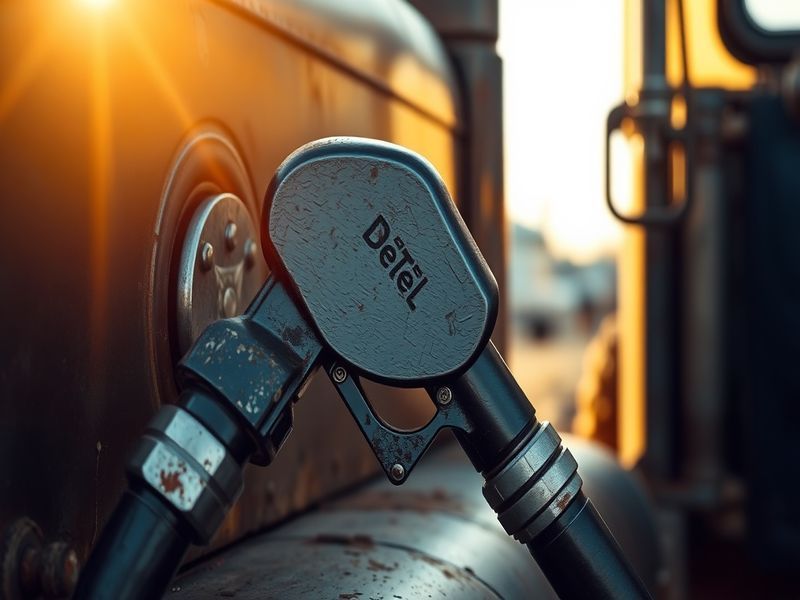
Diesel Engines: Power, Pollution, and the Future of Fuel
Diesel fuel has powered heavy machinery, commercial trucks, and personal vehicles for over a century, yet its role in modern transportation remains hotly debated. Once hailed for its efficiency and durability, diesel now faces scrutiny over environmental impact and long-term viability. The story of diesel is not just about fuel—it’s about industrial progress, regulatory battles, and the relentless push for cleaner energy solutions.
The Origins and Rise of Diesel Technology
Rudolf Diesel patented the first diesel engine in 1893, envisioning a more efficient alternative to steam and gasoline engines. Unlike spark-ignition gasoline engines, diesel engines compress air to such high pressures that fuel ignites spontaneously when injected. This design delivered superior thermal efficiency—up to 40% compared to 20-30% in gasoline engines—making diesel ideal for heavy-duty applications.
By the mid-20th century, diesel engines dominated freight transport, agriculture, and maritime industries. Their reputation for reliability and low-end torque made them indispensable in long-haul trucking and construction. In Europe, diesel passenger cars gained significant popularity due to tax incentives and fuel economy advantages, peaking at over 50% market share in some countries by the 2010s.
A Timeline of Diesel’s Dominance
- 1893: Rudolf Diesel demonstrates the first working diesel engine.
- 1930s: Diesel engines become standard in commercial shipping and rail transport.
- 1970s: Oil crises drive adoption of diesel in passenger vehicles for fuel efficiency.
- 1990s: Turbocharged direct-injection (TDI) diesel cars gain traction in Europe.
- 2015: Volkswagen’s “Dieselgate” scandal exposes widespread emissions cheating.
Environmental Impact: The Double-Edged Sword
Diesel’s efficiency comes with environmental trade-offs. While diesel engines emit less carbon dioxide (CO₂) per mile than gasoline engines, they produce higher levels of nitrogen oxides (NOₓ) and particulate matter (PM), contributing to urban air pollution and respiratory diseases. The infamous “Dieselgate” scandal in 2015 revealed that Volkswagen and other automakers had programmed vehicles to cheat emissions tests, falsely reporting compliance with NOₓ standards.
This revelation triggered global backlash, leading to stricter regulations and a decline in diesel car sales across Europe and North America. Cities like Paris, Madrid, and London announced plans to ban diesel vehicles by 2025 or 2030 to combat smog and meet climate goals. The shift has forced automakers to accelerate investments in electric and hybrid alternatives.
Key Environmental Concerns with Diesel
- NOₓ Emissions: Contributes to ground-level ozone and smog, linked to asthma and heart disease.
- Particulate Matter (PM): Tiny soot particles penetrate lungs, increasing cancer risks.
- NO₂ Pollution: Major contributor to urban air quality violations in metropolitan areas.
- Long-Term Health Costs: Studies link diesel fumes to 38,000 premature deaths annually in the EU.
Diesel in the Modern Era: Adaptation or Decline?
Despite its tarnished reputation, diesel is not disappearing—it’s evolving. Manufacturers have introduced advanced exhaust after-treatment systems, such as selective catalytic reduction (SCR) and diesel particulate filters (DPF), to meet modern emissions standards. Newer diesel engines, particularly in commercial trucks and ships, now comply with Euro 6 and EPA 2027 regulations, reducing NOₓ and PM emissions by over 90% compared to older models.
In some sectors, diesel remains irreplaceable. Heavy construction equipment, long-haul freight, and agricultural machinery still rely on diesel’s torque and durability. The military also continues to use diesel for its reliability in extreme conditions. However, the passenger car market tells a different story. In Europe, diesel’s market share plummeted from 55% in 2011 to under 20% by 2023, with electric vehicles (EVs) now dominating new sales.
Where Diesel Still Holds Advantage
- Commercial Trucking: Long-range efficiency and torque make diesel ideal for freight.
- Maritime Shipping: Large ships depend on diesel for power and endurance.
- Agriculture: Tractors and harvesters require diesel’s reliability in remote areas.
- Emergency Vehicles: Fire trucks and ambulances need diesel’s durability and performance.
Looking Ahead: The Future of Diesel and Alternatives
The future of diesel hinges on two factors: regulatory pressure and technological innovation. Stricter emissions standards and carbon pricing are pushing industries toward cleaner solutions. Meanwhile, advancements in synthetic diesel (e-fuels) and renewable diesel—produced from waste oils and biomass—offer a potential path to carbon-neutral operation. Companies like Neste and BP are scaling up production of these fuels, aiming to supply drop-in replacements for existing diesel engines.
For passenger vehicles, the transition to electric propulsion is accelerating. However, diesel may find a niche in hybrid powertrains, particularly in long-distance travel where battery weight and charging infrastructure remain challenges. The aviation and marine sectors are also exploring hybrid diesel-electric systems as a bridge to fully electric or hydrogen-powered solutions.
The diesel engine’s legacy is one of contradiction: a technology that powered industrial growth while contributing to environmental degradation. Its story serves as a cautionary tale about unintended consequences and the need for balanced innovation. As the world moves toward decarbonization, diesel’s role will continue to shrink in passenger vehicles but may endure in specialized industrial and commercial applications.
The challenge ahead is to manage this transition responsibly—ensuring that the machinery and vehicles still relying on diesel can operate cleanly or transition smoothly to alternatives without disrupting global supply chains or economies.
Explore more trending automotive topics or dive into innovations reshaping transportation.