Diesel Fuel: Powering Industry Amid Environmental Challenges
“`html
Diesel: The Fuel That Built—and Divided—the Modern World
Diesel fuel has powered the world for over a century, shaping global economies, transportation networks, and environmental policies. From the rumble of freight trucks to the hum of agricultural machinery, diesel remains the backbone of industrial movement. Yet its legacy is complex—hailed for efficiency and durability even as it faces scrutiny for pollution and climate impact. Understanding diesel requires examining its origins, its indispensable role in modern infrastructure, and the controversies that now surround it.
The Origins and Rise of Diesel Power
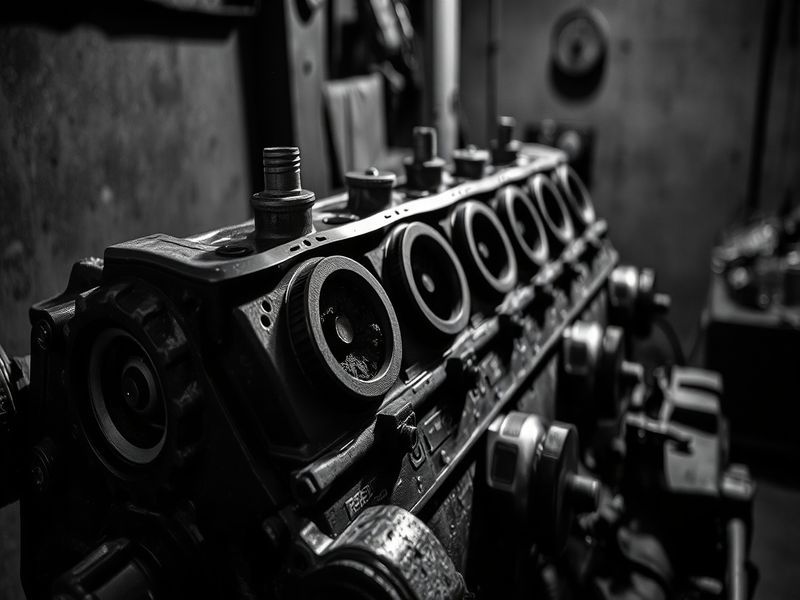
Invented by Rudolf Diesel in 1893, the diesel engine was designed to be more efficient than gasoline engines. Unlike spark-ignition engines, diesel engines compress air to such high temperatures that fuel ignites spontaneously when injected. This principle gave diesel engines superior thermal efficiency—up to 40% compared to 20-30% for gasoline engines—making them ideal for heavy-duty applications.
Diesel’s breakthrough came in 1936 with the introduction of the Mercedes-Benz 260D, the first production diesel passenger car. However, it wasn’t until the 1970s oil crisis that diesel gained widespread acceptance in personal vehicles. European drivers, in particular, embraced diesel for its fuel economy. By the 1990s, nearly half of all new cars sold in France and Germany ran on diesel. The fuel became synonymous with long-distance travel, endurance, and reliability.
That dominance began to fade in the 2010s as governments tightened emissions regulations and scandals like “Dieselgate” exposed widespread cheating on emission tests. Still, diesel’s legacy endures in freight, shipping, agriculture, and emergency services, where its power and efficiency remain unmatched.
The Role of Diesel in Global Infrastructure
Diesel is not just a fuel—it is a linchpin of modern civilization. Consider the following industries where diesel is non-negotiable:
- Freight and Logistics: Over 90% of long-haul trucks in the U.S. and Europe run on diesel. The fuel’s energy density allows trucks to cover vast distances without refueling, keeping supply chains operational.
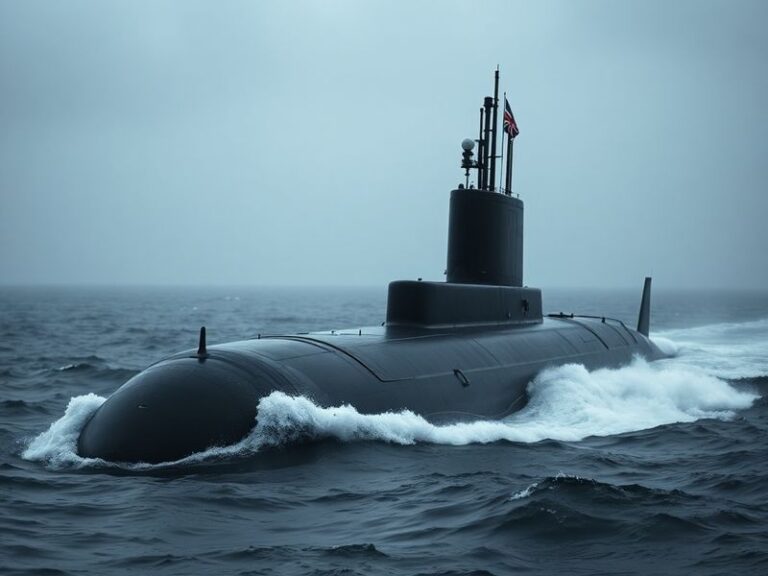
- Maritime Shipping: Cargo ships and tankers consume heavy fuel oil, a diesel derivative. These vessels transport over 80% of global trade by volume, making diesel the invisible engine of globalization.
- Agriculture: Tractors, harvesters, and irrigation pumps rely on diesel. Without it, food production would plummet, and supply chains would collapse.
- Emergency Services: Fire trucks, ambulances, and military vehicles depend on diesel for reliability and torque, especially in remote or disaster-stricken areas.
- Public Transit: Many buses and trains, particularly in rural and intercity routes, operate on diesel due to its durability and range.
This ubiquity is not accidental. Diesel engines are built to last, often operating for hundreds of thousands of miles with minimal maintenance. Their ability to deliver high torque at low speeds makes them ideal for heavy loads and challenging terrains. In regions with underdeveloped infrastructure, diesel’s ruggedness is unparalleled.
The Environmental and Health Costs
Despite its utility, diesel has a dark side. The fuel’s combustion releases nitrogen oxides (NOx) and particulate matter (PM), which contribute to smog, respiratory diseases, and premature deaths. According to the World Health Organization, air pollution from diesel emissions is responsible for millions of premature deaths annually. Urban areas, particularly in developing countries, bear the brunt of this pollution, with diesel trucks and buses often cited as primary culprits.
The environmental impact extends beyond local air quality. Diesel engines are significant contributors to greenhouse gas emissions. While they emit less CO₂ per mile than gasoline engines, their higher fuel consumption and slower adoption of renewable alternatives have made them a target in climate policy. The European Union, for instance, has set ambitious targets to phase out diesel and gasoline cars by 2035, pushing automakers toward electric vehicles (EVs).
Yet the transition is not straightforward. EVs require vast mineral resources like lithium and cobalt, and their production has its own environmental footprint. Meanwhile, diesel remains essential in industries where electrification is not yet feasible. The challenge, then, is not just replacing diesel but finding sustainable alternatives that do not compromise on power or efficiency.
The Future of Diesel: Decline, Innovation, and Uncertainty
The diesel engine is at a crossroads. On one hand, its decline is evident. Cities like Paris, Madrid, and Athens have announced diesel bans in city centers, and automakers such as Volvo and Fiat have ceased production of diesel passenger cars. On the other hand, diesel technology is evolving. Newer engines incorporate advanced emissions controls, such as selective catalytic reduction (SCR) and diesel particulate filters (DPF), which significantly reduce NOx and PM emissions.
Biofuels and synthetic diesel (e-fuels) are also gaining traction as potential bridges between the old and new energy paradigms. These fuels, derived from renewable sources, can be used in existing diesel engines with minimal modifications. Companies like Neste and ExxonMobil are investing heavily in bio-based diesel, positioning it as a “drop-in” solution for industries reluctant to abandon diesel infrastructure.
However, the long-term viability of diesel remains in question. The push toward electrification, hydrogen fuel cells, and even solar-powered vehicles suggests that diesel’s dominance will wane in passenger vehicles. But in heavy industry, shipping, and agriculture, diesel’s reign is likely to persist for decades. The key question is whether innovations in clean diesel technology can keep pace with the urgent need for decarbonization.
For now, diesel remains a paradox: a fuel that powers the world yet threatens its future. Its story is one of ingenuity, necessity, and unintended consequences. As the world transitions to cleaner energy, diesel’s role will diminish—but its impact will be felt for generations.
Conclusion: A Fuel in Transition
Diesel’s journey from a revolutionary engine design to a controversial fuel reflects broader tensions in modern industry: the balance between progress and sustainability, efficiency and responsibility. While diesel’s days as the default choice for passenger cars are numbered, its presence in global infrastructure ensures it will remain relevant for decades to come. The challenge ahead is not just to replace diesel but to do so in a way that does not sacrifice the reliability and power it provides.
For policymakers, industries, and consumers, the path forward requires nuance. Innovation must be paired with pragmatism, and environmental goals must be achieved without destabilizing economies. Diesel’s story is far from over, but its next chapter will be written in the language of adaptation and compromise.