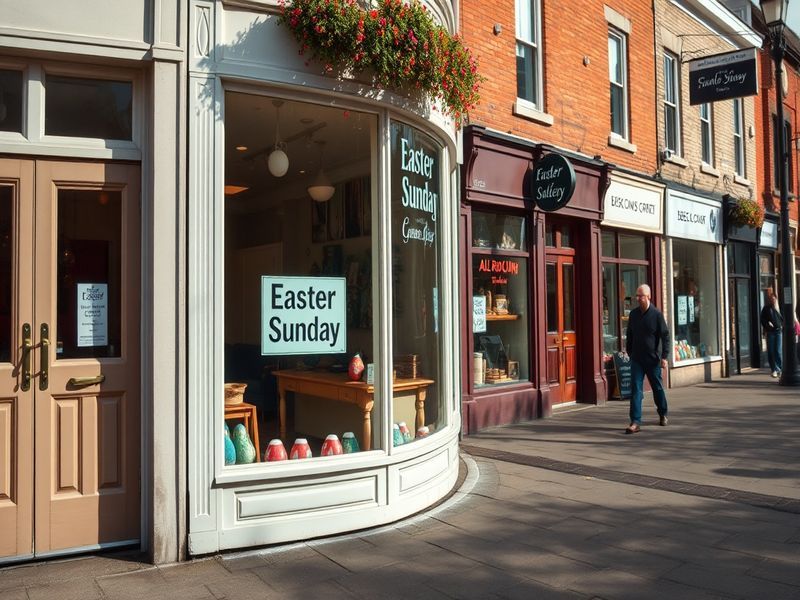
Easter Sunday Shopping Hours: State-by-State Guide for 2024
Easter Sunday is a day of family gatherings, religious observance, and—more recently—online shopping sprees. But when it comes to physical stores, availability varies widely across the country. Unlike major holidays such as Christmas or Thanksgiving, Easter Sunday doesn’t have a uniform federal law dictating retail hours. Instead, each state sets its own rules, often leaving consumers and business owners navigating a patchwork of regulations.
Why Do Some States Allow Shopping While Others Don’t?
The decision to open or close on Easter Sunday often stems from a mix of historical, cultural, and economic factors. In some states, blue laws—originally designed to restrict certain activities on Sundays for religious reasons—still influence retail operations. These laws were more widespread in the early 20th century but have since been relaxed or repealed in many areas. However, a handful of states maintain restrictions, particularly in the South and Midwest.
For example, in states like Alabama, Connecticut, and Massachusetts, most retail stores are prohibited from opening on Easter Sunday under blue laws that date back decades. These laws aim to preserve the day as a time for rest and worship, though enforcement has loosened over time. Meanwhile, states like California, New York, and Texas have no such restrictions, allowing businesses to operate freely—provided they comply with local ordinances.
Key Factors Influencing Retail Hours on Easter Sunday
- State and Local Blue Laws: Some states still enforce restrictions on Sunday retail activity, though exceptions exist for essential businesses like grocery stores and pharmacies.
- Store Policies: Even in states where shopping is permitted, individual retailers may choose to close for Easter. Chains like Hobby Lobby and Chick-fil-A, for instance, often remain closed on Sundays year-round for religious reasons.
- Economic Considerations: Retailers in competitive markets may open on Easter Sunday to capture holiday shoppers, particularly for last-minute purchases or seasonal sales.
- E-commerce Dominance: With online shopping now a year-round habit, many consumers skip physical stores altogether, reducing pressure on retailers to open on holidays.
A State-by-State Guide to Easter Sunday Retail Hours
Below is a general overview of how different states handle Easter Sunday shopping. Always check with local businesses for the most up-to-date information, as policies can change.
States Where Most Stores Close for Easter Sunday
These states typically enforce blue laws or have strong cultural traditions discouraging Sunday retail activity:
- Alabama: Most retail stores are closed, though grocery stores and some essential services may remain open.
- Connecticut: State law prohibits certain retail operations on Sundays unless the business has been granted a waiver.
- Massachusetts: Known for strict blue laws, most retail stores are closed, except for exempted businesses like gas stations and pharmacies.
- South Carolina: Retail stores larger than 5,000 square feet are typically closed, though exceptions apply in some municipalities.
States Where Stores Are Generally Open on Easter Sunday
In these states, retailers have more flexibility to operate, though individual businesses may still choose to close:
- California: No state-level restrictions; stores can open but may opt to close for the holiday.
- Florida: Most businesses are free to open, though some malls or shopping centers may enforce shorter hours.
- New York: Retailers can operate normally, though certain cities or counties may have additional rules.
- Texas: No statewide restrictions; however, some cities like Dallas or Houston may have local ordinances.
The Broader Implications of Easter Sunday Shopping
The debate over Sunday retail hours extends beyond convenience—it touches on labor rights, economic competition, and cultural shifts. Proponents of expanded retail hours argue that consumers benefit from greater flexibility, especially during peak shopping seasons. Opponents, however, contend that the push for Sunday openings undermines family time and religious observance, particularly in communities where Sunday remains a sacred day.
From an economic standpoint, the rise of e-commerce has diminished the urgency of in-store shopping on holidays. Retailers like Amazon and Walmart have conditioned consumers to expect 24/7 access to products, reducing the competitive advantage of physical stores opening on Easter Sunday. Still, brick-and-mortar retailers in states with restrictive laws may miss out on holiday revenue, particularly for high-demand items like last-minute Easter decorations or spring apparel.
Labor advocates also weigh in on the issue, noting that Sunday openings can disrupt work-life balance for retail employees. Many unions and worker advocacy groups oppose expanded Sunday hours, citing concerns over fair wages, adequate staffing, and employee well-being. In states where blue laws persist, these debates remain especially contentious.
What Should Shoppers and Businesses Expect in the Future?
The future of Easter Sunday shopping likely hinges on a few key trends: the continued growth of online retail, shifts in consumer behavior, and potential legislative changes. As e-commerce becomes the default for many shoppers, the pressure on physical stores to open on holidays may wane. However, retailers in competitive markets may still see value in offering in-person services, particularly for high-touch purchases like furniture or electronics.
For consumers, the best approach is to plan ahead. Check the websites or social media pages of your preferred stores for holiday hours, and consider supporting local businesses that may have different policies. If you’re a business owner, weigh the costs and benefits of opening on Easter Sunday—factors like staffing, potential revenue, and customer demand should guide your decision.
One thing is clear: the tradition of Easter Sunday shopping is evolving. While some states cling to old restrictions, others embrace the flexibility of a 24/7 retail culture. The result is a fragmented landscape where the simple question “Are shops open on Easter Sunday?” doesn’t have a single answer.
For more insights into retail trends and holiday shopping, explore our Trending and News sections. Whether you’re a shopper, business owner, or curious observer, staying informed is the first step to navigating holidays like Easter with confidence.