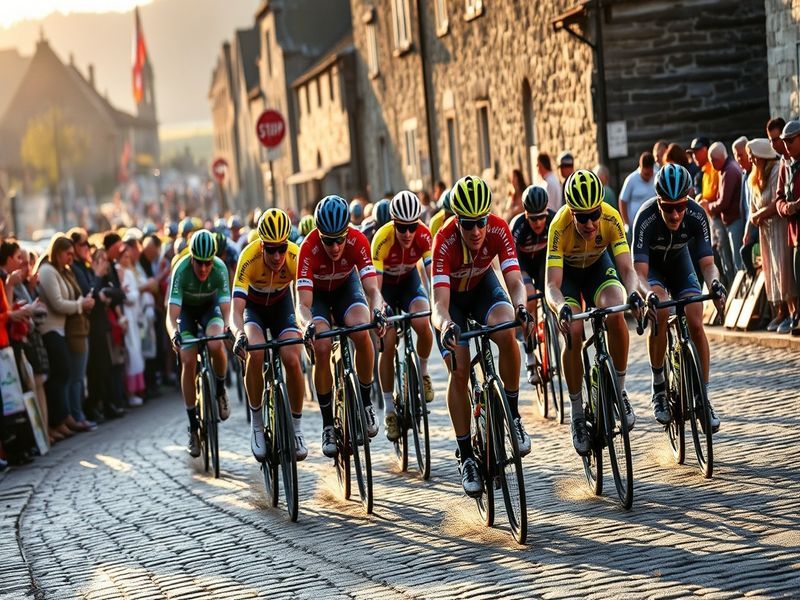
The Tour of Flanders, one of cycling’s most iconic one-day races, will return to the spring calendar in 2026. Known for its punishing cobbled climbs, narrow roads, and rich Flemish heritage, the race is a cornerstone of the professional cycling season. As teams begin planning their campaigns, anticipation builds for what promises to be a thrilling edition.
Held annually since 1913, the Tour of Flanders—De Ronde van Vlaanderen in Dutch—attracts thousands of spectators to the Flemish countryside. Its blend of tactical racing and explosive power makes it a favorite among riders and fans alike. With the 2026 edition on the horizon, here’s what to expect from the next chapter of this legendary race.
The Route: Tradition Meets Innovation
The exact route for the 2026 Tour of Flanders won’t be confirmed until late 2025, but historical trends suggest continuity with subtle refinements. The race traditionally starts in Antwerp and finishes in Oudenaarde, a route that highlights the rolling hills of the Flemish Ardennes. Key climbs like the Koppenberg, Oude Kwaremont, and Paterberg are expected to play pivotal roles once again.
Recent editions have seen organizers experiment with start locations to keep the race fresh. While Antwerp remains a frequent host, Ghent has also served as a departure point in the past. Speculation suggests Ghent could once again welcome the peloton in 2026, offering a different dynamic to the early stages of the race.
The final 100 kilometers of the Tour of Flanders are where legends are made. Riders face a gauntlet of short, steep climbs, each capable of shredding the peloton. The following list outlines the most critical ascents that typically shape the outcome:
- Oude Kwaremont – A 2.2km cobbled climb averaging 4.2% gradient, but with sections hitting 11%. Often the first major test of the day.
- Paterberg – The steepest climb in the race at 12.5% average gradient, though only 360 meters long. A decisive moment in recent editions.
- Koppenberg – A brutal 220-meter climb with a 22% gradient in its steepest section. Climbing it is a badge of honor.
- Muur van Geraardsbergen – A shorter but iconic climb with a steep, uneven surface. Often the site of attacks in the final 50km.
Organizers may tweak the sequence or introduce a new climb to challenge riders in unexpected ways. However, the core identity of the Tour of Flanders—its relentless terrain and tactical depth—will remain intact.
Key Riders to Watch in 2026
The 2026 Tour of Flanders will likely feature a mix of established stars and rising talents vying for victory. The race’s punishing nature favors riders with explosive power, climbing ability, and tactical acumen. Here are the cyclists who could shape the outcome:
- Mathieu van der Poel (Alpecin-Deceuninck) – The Dutch superstar has already claimed victory in 2020 and 2022. His explosive accelerations and cobbled expertise make him a perennial favorite.
- Wout van Aert (Visma-Lease a Bike) – A versatile rider capable of dominating both cobbled classics and stage races. His ability to pace himself over multiple climbs could be decisive.
- Tadej Pogačar (UAE Team Emirates) – Though primarily a Grand Tour specialist, Pogačar’s climbing prowess and late-race stamina make him a threat on Flanders’ punishing ascents.
- Jasper Stuyven (Lidl-Trek) – A former winner (2021) with a knack for timing his attacks perfectly. His experience in the race’s chaos is invaluable.
- Tom Pidcock (Ineos Grenadiers) – A rider who thrives in the mud and cobbles, Pidcock could emerge as a dark horse if conditions turn treacherous.
While these names dominate headlines, the Tour of Flanders is notorious for producing surprises. Riders like Mads Pedersen, Stefan Küng, and even relative outsiders could emerge from the pack to claim glory.
The 2025 season will serve as a barometer for form. Injuries, transfers, and early-season performances will all influence who arrives in Flanders with confidence. One thing is certain: the battle for the 2026 edition will be fiercely contested.
The Fan Experience: A Celebration of Cycling Culture
For spectators, the Tour of Flanders is more than a race—it’s a cultural experience. The Flemish Ardennes come alive with orange-clad fans, brass bands, and the aroma of Belgian waffles and beer. The atmosphere is electric, with fans lining the roads for hours just to catch a glimpse of the peloton.
Key viewing spots include the slopes of the Koppenberg and the Paterberg, where fans pack the barriers shoulder-to-shoulder. The final kilometers in Oudenaarde offer a chance to celebrate the victors in a festive, communal setting. For those unable to attend, television broadcasts and streaming options ensure global access to the drama.
Local businesses also benefit from the race’s arrival. Cafés, bars, and souvenir shops see a surge in activity, while entire towns transform into cycling hubs. The economic impact on the region is significant, reinforcing the Tour of Flanders’ status as a cornerstone of Flemish identity.
For cycling enthusiasts looking to immerse themselves further, Dave’s Locker Travel Guides offer insights into the best spots to experience the race up close. Whether it’s finding the perfect vantage point or navigating the local cuisine, preparation is key to making the most of the day.
What’s Next for the Tour of Flanders?
As the countdown to 2026 begins, the cycling world will watch closely for updates on the route, team selections, and early-season form. The Tour of Flanders remains a race where history and unpredictability collide, ensuring its place as one of cycling’s most cherished events.
For teams, the challenge is clear: balance aggression with caution. The race’s attritional nature means that even the strongest riders can falter if they push too hard too soon. Tactical nous will be as important as physical strength.
Fans, meanwhile, can look forward to another chapter in a race that has captivated audiences for over a century. The Tour of Flanders 2026 promises to deliver drama, heartbreak, and triumph in equal measure.
As the peloton lines up in Antwerp or Ghent next spring, the question on everyone’s lips will be: who will be the next rider to etch their name into the race’s storied history?