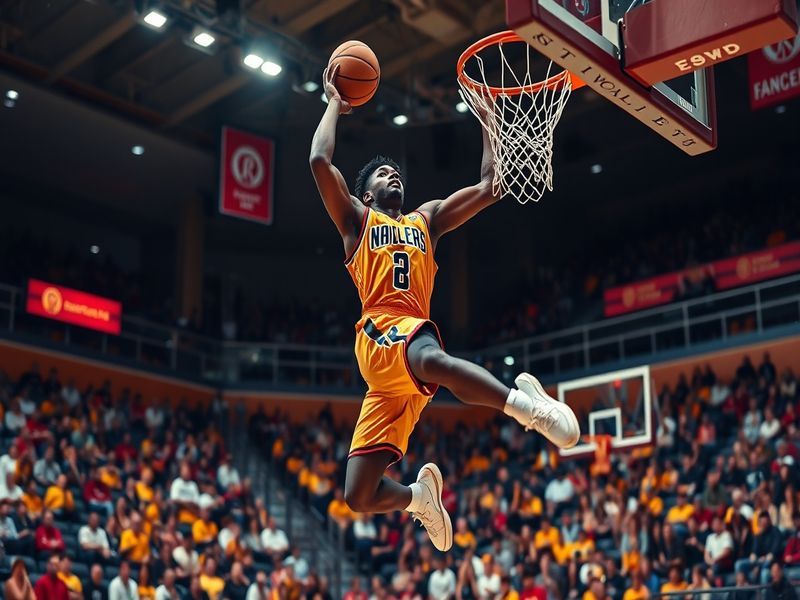
The Fab Five remains one of the most influential and polarizing teams in the history of college basketball. Comprised of five freshmen—Chris Webber, Jalen Rose, Juwan Howard, Jimmy King, and Ray Jackson—the University of Michigan’s 1991 recruiting class didn’t just win games; they transformed the sport’s aesthetic, attitude, and cultural footprint. Their journey from high school phenoms to national finalists reshaped how young athletes approached the game and how fans consumed basketball.
Beyond their on-court achievements, the Fab Five became a symbol of style, rebellion, and generational change. Their baggy shorts, black socks over knee-highs, and swagger challenged the traditional norms of college athletics. They brought hip-hop culture into the mainstream of sports, influencing everything from fashion to music. Yet their legacy is also complicated by NCAA sanctions that stripped their achievements, leaving a legacy that is as much about controversy as it is about inspiration.
The Rise of a Cultural Force
The Fab Five’s impact began long before they stepped onto Michigan’s campus. Hailing from different parts of the country—Webber from Detroit, Rose from Chicago, Howard from Chicago, King from Texas, and Jackson from Detroit—they were all ranked among the top high school prospects in the nation. Their recruitment was a media spectacle, with Sports Illustrated dedicating a cover story to them before they even played a college game. This level of attention was unprecedented for a group of teenagers.
Their arrival in Ann Arbor coincided with a shift in college basketball. The 1990s were a time when the sport was becoming more commercialized, and the Fab Five embodied that transformation. They played with a flair and confidence that captivated audiences, even if traditionalists criticized their unorthodox style. Their first season in 1991-92 saw them reach the NCAA championship game, where they lost to Duke in a hard-fought battle. Despite the loss, they had already made their mark.
Their influence extended beyond basketball. The Fab Five popularized the “trash talk” culture in college sports, a style of communication rooted in hip-hop and urban vernacular. They also challenged the NCAA’s amateurism rules by embracing commercial opportunities, from sneaker endorsements to music collaborations. Their boldness set a precedent for future generations of athletes who sought to leverage their platforms for personal and financial gain.
A Style That Defined a Generation
No discussion of the Fab Five is complete without acknowledging their fashion. Their signature look—baggy shorts worn over long tights, black socks pulled up to the knees, and black shoes—was a direct rebellion against the tight shorts and knee-highs of the era. This style was inspired by the urban streets of Detroit and Chicago, as well as the hip-hop artists they idolized.
Their fashion choices were more than just a trend; they were a statement. The Fab Five used clothing to assert their individuality and challenge the conservative aesthetics of college basketball. Their look was adopted by players at all levels, from high school to the NBA. Even today, their influence can be seen in the relaxed fit of modern basketball uniforms.
Their music taste also played a role in shaping their image. The Fab Five were avid fans of hip-hop, and their pre-game rituals often included blasting tracks from artists like N.W.A, Public Enemy, and A Tribe Called Quest. This connection to hip-hop culture further blurred the lines between sports and entertainment, paving the way for athletes to embrace their identities beyond the court.
The Controversy That Shadows Their Legacy
Despite their cultural impact, the Fab Five’s legacy is marred by NCAA sanctions. In 2002, the NCAA vacated all of Michigan’s wins from the 1992-93 season, including the team’s run to the NCAA championship game, due to allegations of improper payments to players. The sanctions were a result of a scandal involving booster Ed Martin, who was later convicted of fraud. While none of the Fab Five were directly implicated in the payments, the NCAA ruled that Michigan had violated rules, and the team’s achievements were erased from the record books.
The decision sparked widespread debate. Critics argued that the sanctions were overly punitive, particularly since the players themselves were not found to have violated any rules. Supporters of the Fab Five pointed out that the NCAA’s amateurism policies were outdated and hypocritical, especially given the commercialization of college sports. The controversy highlighted the systemic issues within the NCAA, where student-athletes often bear the brunt of punishments while the organization profits from their labor.
The Fab Five’s story is a microcosm of the broader tensions in college sports. Their rise and fall reflect the challenges of navigating fame, money, and institutional rules in an era of rapid change. It’s a story that continues to resonate as debates over athlete compensation and NCAA governance persist.
A Lasting Influence on Sports and Culture
The Fab Five’s impact can be seen in the careers of the players who followed in their footsteps. Chris Webber went on to become an NBA All-Star and one of the most dominant power forwards of his generation. Jalen Rose had a successful NBA career and later became a prominent sports analyst. Juwan Howard transitioned into coaching, eventually leading the University of Michigan to a national championship in 2021. Jimmy King and Ray Jackson, though less prominent in the NBA, remained influential figures in basketball circles.
Their influence extends beyond basketball. The Fab Five’s embrace of hip-hop culture helped bridge the gap between sports and music, inspiring athletes to express themselves more freely. Their fashion choices have been referenced in films, TV shows, and even museum exhibits. In 2018, ESPN aired a documentary titled The Fab Five, reigniting interest in their story and introducing their legacy to a new generation.
Today, the Fab Five are often cited as one of the greatest recruiting classes in sports history. Their story is a testament to the power of youth, rebellion, and cultural expression. While their on-court achievements may be officially erased, their impact on the game and society is undeniable. They challenged the status quo, redefined what it meant to be a college athlete, and left an indelible mark on both sports and pop culture.
Why Their Story Still Matters
The Fab Five’s legacy is a reminder of the complex relationship between sports, culture, and commerce. They were trailblazers who pushed boundaries, but they were also caught in a system that was ill-equipped to handle their ambition. Their story raises important questions about the role of athletes in society, the commercialization of college sports, and the evolving expectations of young athletes.
For fans of basketball and pop culture alike, the Fab Five represent a moment when sports and entertainment collided in a way that felt authentic and revolutionary. Their story is a cautionary tale about the consequences of breaking rules, but it’s also an inspiring narrative about the power of individuality and self-expression.
As the NCAA continues to grapple with issues of amateurism and athlete compensation, the Fab Five’s story remains relevant. It’s a reminder that the rules of the game are often shaped by those who have the power to enforce them—and that those rules are not always fair or just.
For those who witnessed their rise, the Fab Five are remembered as pioneers who changed the game forever. For younger generations, they serve as an example of how athletes can use their platform to challenge norms and inspire change. Whether through their style, their swagger, or their unapologetic attitude, the Fab Five proved that sports are about more than just winning—they’re about shaping culture.
Explore more about the intersection of sports and culture in our Sports and Entertainment sections.