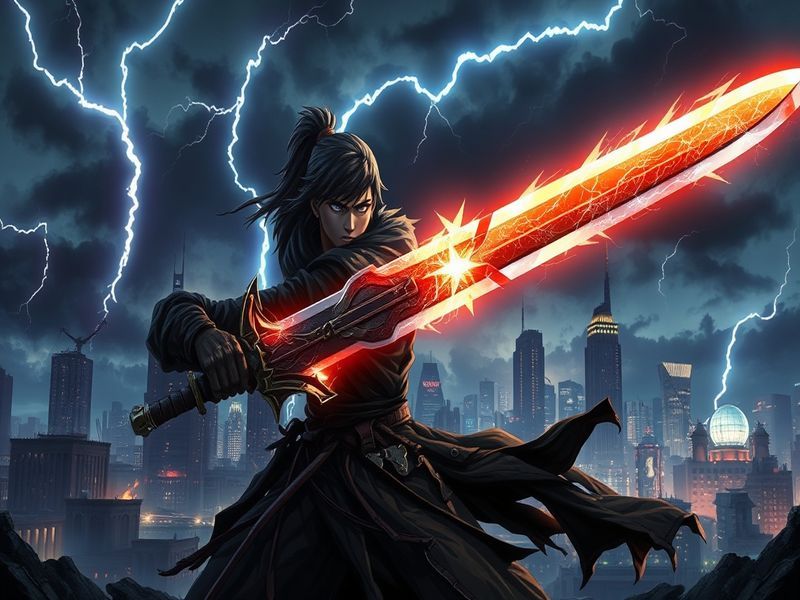
From Webtoon to Worldwide: The Rise of Solo Leveling
Solo Leveling began as a serialized web novel in 2016 before evolving into one of the most-watched manhwa adaptations on global platforms. Its journey from niche Korean storytelling to mainstream recognition reflects the growing influence of digital comics and their convergence with gaming culture. The story of Sung Jin-Woo—a weak hunter who becomes the strongest player in a world of dungeons and monsters—resonates far beyond its original language, illustrating how gaming mechanics and personal growth narratives transcend cultural barriers.
The manhwa’s adaptation into an animated series by A-1 Pictures in 2024 accelerated its international reach. Streaming platforms like Crunchyroll and Netflix distributed it globally, making it accessible to non-Korean audiences. This global distribution strategy mirrors the success of other Asian pop culture exports, but Solo Leveling stands out for its seamless blend of gaming tropes and emotional depth.
The Power Fantasy Meets Global Appeal
Solo Leveling thrives on the universal appeal of the power fantasy—the idea that an underdog can achieve greatness through effort and transformation. This narrative structure is not new; it appears in everything from Hollywood blockbusters to classic literature. Yet the manhwa’s integration of gaming elements—leveling up, skill trees, and dungeon raids—gives it a modern twist that resonates with digital-native audiences.
- Gaming as Cultural Bridge: The rise of esports and streaming culture has made gaming mechanics familiar to global audiences. Solo Leveling leverages this literacy, using terms like “leveling,” “stats,” and “skills” in ways that feel intuitive even to those unfamiliar with manhwa.
- Emotional Core: Beyond the action, the story explores themes of isolation, responsibility, and self-worth. Jin-Woo’s journey from a self-deprecating hunter to a savior mirrors the struggles of many young adults navigating adulthood.
- Visual Storytelling: Manhwa’s digital format allows for dynamic pacing and expressive art. The animation adaptation amplifies this, with fluid fight scenes and detailed monster designs that appeal to both comic and anime fans.
A Global Phenomenon Fueled by Digital Platforms
The international success of Solo Leveling cannot be separated from the evolution of digital distribution. Platforms like Webtoon, Crunchyroll, and Netflix have dismantled traditional barriers to entry, allowing niche genres to reach mass audiences. This shift mirrors the trajectory of K-pop and Korean cinema, which also gained global footing through strategic digital marketing.
In regions like Latin America and Southeast Asia, Solo Leveling found a particularly receptive audience. These markets have high engagement with digital comics and anime, often consuming content faster than Western platforms can produce it. The manhwa’s availability in multiple languages—including Spanish, Portuguese, and Indonesian—further cemented its global footprint.
Data from Crunchyroll’s 2024 report showed a 40% increase in manhwa consumption in non-Asian markets, with Solo Leveling leading the charge. This trend suggests that digital comics are no longer a subculture but a mainstream entertainment medium with its own production pipelines and fanbases.
The Business of Solo Leveling: Licensing, Merchandise, and Beyond
The commercial success of Solo Leveling extends beyond streaming. Its intellectual property has spawned a wave of licensed merchandise, from action figures to mobile games. South Korean companies like Netmarble have capitalized on this, releasing a mobile RPG tied to the manhwa’s universe. The game’s microtransaction model reflects the monetization strategies of both gaming and digital comics industries.
Merchandising plays a crucial role in sustaining interest. Official collaborations with brands like Nike and collaborations with artists on exclusive prints have kept the franchise relevant. These ventures appeal to collectors and casual fans alike, ensuring that Solo Leveling remains a cultural touchstone long after its initial release.
- Licensing Deals: The manhwa’s publisher, D&C Media, has struck deals with global firms like Viz Media for North American distribution and Animate for Japanese releases. These partnerships ensure consistent revenue streams and cultural localization.
- Mobile Gaming Integration: Netmarble’s Solo Leveling: Arrow of the Legend game allows players to experience Jin-Woo’s world in an interactive format. Its success demonstrates how transmedia storytelling can extend a franchise’s lifespan.
- Event-Driven Marketing: Limited-time collaborations, such as in-game cosmetics with popular franchises, create urgency and drive engagement. These strategies are borrowed from the gaming industry but are now standard for digital comics.
Cultural Exchange and the Future of Digital Comics
Solo Leveling exemplifies the growing trend of Asian digital comics gaining global traction. Unlike traditional manga, which often requires cultural context, manhwa’s digital-native format and English-friendly distribution have made it more accessible. This accessibility is key to its international success.
The manhwa’s themes—perseverance, self-improvement, and facing insurmountable odds—are universally relatable. Yet its setting—a world where dungeons and hunters exist alongside modern technology—adds a layer of escapism that appeals to audiences worldwide. This blend of the familiar and the fantastical is a hallmark of successful global storytelling.
Looking ahead, the future of digital comics seems bright. Platforms like Webtoon are investing in original animations and live-action adaptations, signaling a shift toward multimedia franchises. Solo Leveling may well be a blueprint for how digital storytelling can evolve beyond static pages.
As streaming services and gaming platforms continue to merge, stories like Solo Leveling will become more common. The lines between comics, animation, and games are blurring, creating new opportunities for creators and audiences alike. For now, Solo Leveling stands as a testament to the power of digital storytelling in a connected world.
Solo Leveling is more than a manhwa—it’s a cultural bridge that connects gaming, comics, and global audiences. As digital platforms continue to evolve, its success offers a glimpse into the future of entertainment.